

Views: 237 Author: Tianjin Kangli Publish Time: 2026-09-24 Origin: Site


Content Menu
● Quick Answer: The Core Difference
● What Defines a Hospital Wheelchair?
>> Key Requirements for Hospital Transport Wheelchairs
>> Why Lightweight Does Not Mean "Less Safe"
● What Defines a Long-Term-Care Wheelchair?
>> Long-Term Seating Requires Individual Fit
>> Comfort Is a Clinical and Operational Issue
● Wheelchair for Hospital Use vs Wheelchair for Long-Term Care: A Decision Framework
>> Step 1: Define the Main Use Case
>> Step 2: Match the Chair to the Care Duration
>> Step 3: Evaluate the Total Cost of Ownership
● Expert Checklist for OEM and Wholesale Buyers
>> Ask These Questions Before You Source
>> Our Manufacturing Perspective
● FAQs
>> 1. Can a hospital transport wheelchair be used in a nursing home?
>> 2. What is the most important feature in a long-term-care wheelchair?
>> 3. How often should a long-term-care wheelchair be reassessed?
>> 4. What should hospitals prioritize when buying wheelchairs in bulk?
>> 5. Can an OEM manufacturer customize wheelchairs for different markets?
>> 6. Why is wheelchair sizing important in long-term care?
>> 7. What information should I provide when requesting an OEM wheelchair quotation?
Choosing between a wheelchair for hospital use vs wheelchair for long-term care is not simply a question of price or frame style. The best choice depends on how the chair will be used, who will use it, how long they will sit in it, how often staff will move it, and what level of positioning support the user needs.
At Tianjin Kangli Medical Equipment Co., Ltd., we have worked in medical-equipment manufacturing since 1998. As a national high-tech enterprise with a 20,000-square-meter factory and more than 50 employees, we support overseas brands, wholesalers, and manufacturers with OEM wheelchair and care-equipment solutions. From our manufacturing perspective, the central lesson is clear: a hospital wheelchair must prioritize rapid, safe transport and cleaning efficiency, while a long-term-care wheelchair must prioritize sustained comfort, posture, dignity, and durability over repeated daily use.
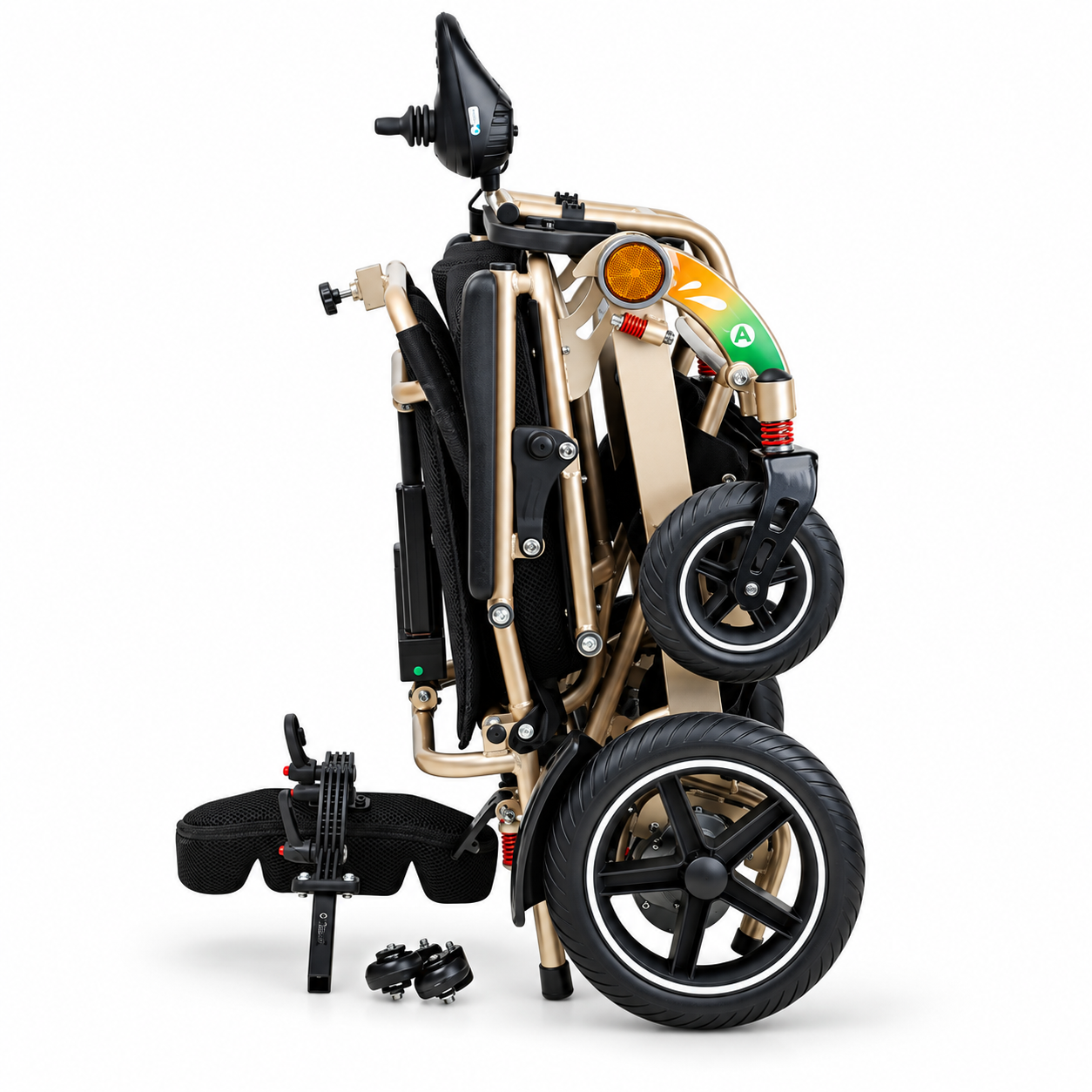
A hospital wheelchair is generally designed for short-duration transport. It must be easy for staff to push, maneuver through clinical corridors, store, disinfect, and return quickly to service.
A long-term-care wheelchair is generally designed for extended daily seating. It should support the resident's posture, comfort, pressure management, transfers, meals, activities, and mobility routine.
The difference matters because a chair that works well for a 15-minute transfer from a ward to an imaging department may be unsuitable for a resident who sits in it for several hours each day.
| Selection factor | Wheelchair for hospital use | Wheelchair for long-term care |
|---|---|---|
| Primary purpose | Short-distance patient transport | Daily mobility, seating, and participation |
| Typical sitting duration | Minutes to short periods | Hours or repeated use throughout the day |
| Top priority | Staff workflow, maneuverability, infection control | Comfort, positioning, pressure distribution, resident dignity |
| Frame requirement | Lightweight, compact, easy to store | Stable, durable, adjustable, often more supportive |
| Seating needs | Basic temporary seating may be sufficient | Seat depth, width, cushion, back support, and foot support are critical |
| Cleaning requirement | Frequent and rapid disinfection | Easy cleaning plus long-term material durability |
| User involvement | Often caregiver-pushed | May be self-propelled, caregiver-propelled, or customized |
| Procurement approach | Fleet standardization and replacement efficiency | Individual assessment and care-plan alignment |
The World Health Organization emphasizes that an appropriate wheelchair should meet the user's needs and environment, provide proper fit and postural support, and remain safe, durable, serviceable, and affordable in the local context. It also recommends a process of selection, fitting, training, and follow-up rather than treating a wheelchair as a one-time commodity purchase.
A hospital wheelchair is a clinical transport tool first. In busy hospitals, emergency departments, outpatient centers, rehabilitation departments, and diagnostic areas, staff need a chair that can move patients efficiently while supporting safe transfers and maintaining hygienic conditions.
When specifying a wheelchair for hospital use, procurement teams typically prioritize these characteristics:
- Compact overall dimensions for elevators, corridors, doorways, waiting areas, and storage rooms
- Smooth rolling performance for frequent movement over hospital flooring
- Reliable brakes that staff can apply quickly before transfers
- Foldable or space-saving construction when fleet storage is limited
- Easy-clean surfaces that tolerate regular disinfecting protocols
- Durable armrests and footrests that withstand repeated patient transfers
- Low maintenance requirements for high-turnover clinical fleets
- Clear labeling or color options to support asset management across departments
- Appropriate weight capacity based on the hospital's patient population and safety policy
In practical terms, hospital staff often judge a wheelchair by questions such as: Can one staff member move it comfortably? Does it turn easily at a bedside? Can it be wiped down quickly? Are the brakes dependable? Does it survive constant use without loose armrests, damaged footplates, or wheel problems?
A common procurement mistake is to equate a lighter chair with a weaker chair. The real requirement is a balanced design: enough structural strength for the intended patient weight and repeated use, but without unnecessary mass that increases caregiver effort.
For OEM buyers, this balance starts with engineering decisions:
- Frame tube material and wall thickness
- Cross-brace design
- Welding consistency
- Wheel and caster quality
- Brake mechanism durability
- Upholstery attachment method
- Load testing and fatigue testing process
At Tianjin Kangli Medical Equipment Co., Ltd., we view these components as a system. A wheelchair frame may look simple, but the user's safety depends on the interaction between the frame, wheels, brakes, footrests, armrests, seating components, and assembly quality.
A long-term-care wheelchair is not just a transport device. For many residents in nursing homes, assisted-living communities, rehabilitation facilities, and long-stay care settings, it becomes an essential part of daily life.
The chair may be used during meals, group activities, social visits, therapy, personal care, and room-to-room mobility. That means the wheelchair must help preserve comfort, participation, alignment, and independence—not merely move someone from point A to point B.
For long-term-care users, an incorrectly sized wheelchair can contribute to poor posture, sliding, leaning, reduced function, discomfort, and difficulty participating in everyday activities. The seating system must therefore be considered alongside the frame.
Critical fit questions include:
- Is the seat width wide enough for comfort but not so wide that the user loses arm support or stability?
- Is the seat depth appropriate, avoiding pressure behind the knees while supporting the thighs?
- Is the seat height correct for transfers, foot support, and table access?
- Does the chair provide appropriate back support and trunk alignment?
- Are the armrests at an effective height for comfort and transfers?
- Are the footrests or leg rests positioned correctly for the user's lower limbs?
- Does the user need a pressure-relieving cushion, lateral support, head support, pelvic positioning support, or recline/tilt function?
CMS guidance for long-term-care facilities highlights appropriate seat height, depth, firmness, and arm support, including seating that helps residents rise independently where possible. Its positioning guidance also emphasizes appropriate wheelchair size, body alignment, foot support, and use of positioning supports in response to an assessed care need.
Comfort is sometimes treated as a "premium" feature. In long-term care, it is a functional requirement.
If a resident is uncomfortable, poorly supported, or unable to access a dining table, the consequences can affect daily participation and staff workload. A chair that supports proper positioning can make transfers, feeding assistance, mobility, and social engagement easier to manage.
For long-term-care buyers, it is more useful to ask, "Can this wheelchair support this person's everyday life?" than to ask only, "What is the unit price?"
The most effective purchasing process begins with the care setting and user profile—not a catalog page.
Use these questions to classify the requirement:
1. Is the wheelchair primarily for transport, daily seating, or both?
2. Will the user remain seated for minutes, hours, or most of the day?
3. Is the chair mainly caregiver-propelled or self-propelled?
4. Does the user need positioning or pressure-management support?
5. Will the chair be shared by many users or assigned to one person?
6. Does the facility require frequent disinfection between users?
7. Will the wheelchair be used indoors only, or across thresholds and outdoor pathways as well?
A hospital transport fleet may need standardized folding wheelchairs with simple, robust components. A nursing home may need a mixed fleet: transport chairs for appointments, standard wheelchairs for mobile residents, and more supportive seating models for residents with complex postural needs.
A useful rule is simple:
- Short transport: Focus on maneuverability, cleaning, storage, and staff operation.
- Daily seating: Focus on fit, posture, cushion compatibility, foot support, comfort, and ongoing adjustment.
- Changing care needs: Choose designs with adjustable components or establish a replacement and reassessment process.
The WHO's wheelchair service guidance identifies four connected steps: Select, Fit, Train, and Follow Up. This is especially relevant in long-term care, where a resident's physical condition, posture, functional ability, or pressure-management needs may change over time.
The cheapest purchase price does not always produce the lowest operating cost.
For hospital fleets, total cost includes cleaning time, repair frequency, spare-part availability, storage efficiency, replacement speed, and staff handling effort.
For long-term-care wheelchairs, total cost also includes the potential impact of poor fit: repeated repositioning, discomfort complaints, cushion replacement, increased caregiver assistance, and the need to change chairs when a resident's needs evolve.
A procurement team should compare:
| Cost area | Hospital use | Long-term care |
|---|---|---|
| Initial purchase | Important for fleet budgets | Important, but should be balanced with fit and function |
| Cleaning labor | Very high priority | Important |
| Repair and parts | High priority due to fleet utilization | High priority due to sustained individual use |
| Seating accessories | Usually limited | Often essential |
| Staff support needs | Transfers and transport workflow | Repositioning, transfers, daily care, activity participation |
| Replacement timing | When fleet reliability declines | When user condition, fit, or clinical needs change |
For overseas brand owners, distributors, and manufacturers sourcing from China, the buying decision should go beyond product photographs and basic specifications.
- What market will the wheelchair serve: hospital, nursing home, rehabilitation, home care, or mixed use?
- What maximum user weight and expected daily usage level should the chair support?
- Does the market require a transit-style chair, self-propelled model, reclining model, or positioning-focused solution?
- Which parts should be customizable: frame color, upholstery color, logo, carton artwork, armrests, wheels, footrests, cushions, or accessories?
- What testing, incoming inspection, assembly inspection, and packaging controls does the factory use?
- Can the supplier support spare parts and consistent specifications across repeat orders?
- Is the product designed for the relevant regulatory and market-entry pathway in the destination country?
- Does the factory understand the difference between a low-cost transport chair and a chair intended for extended seated use?
For a reliable OEM program, suppliers should be able to translate market needs into an agreed product specification. That includes drawings, materials, components, packaging details, branding requirements, inspection standards, and change-control procedures.
At Tianjin Kangli Medical Equipment Co., Ltd., we recommend defining the product category before discussing cosmetic customization. A private-label wheelchair should first meet the target care setting's functional requirements; only then should buyers finalize color, logo, carton, and other branding details.
Our OEM customers typically need support in areas such as:
- Product configuration for hospital, nursing-home, and care-facility channels
- Private-label branding and customized packaging
- Wheelchair component and accessory selection
- Consistent production specifications for repeat orders
- Quality-control alignment for export-oriented supply programs
- Communication that connects product design with real end-user needs
Because we have operated since 1998, our focus is not simply to manufacture a wheelchair that looks acceptable on a quotation sheet. Our goal is to help partners build products that work in the environments where caregivers and users depend on them.
The best answer to "Wheelchair for Hospital Use vs Wheelchair for Long-Term Care" is not that one category is better than the other. Each is designed for a different clinical and operational purpose.
Choose a hospital wheelchair when the priority is safe, efficient, cleanable short-term transport. Choose a long-term-care wheelchair when the priority is ongoing seating, posture, comfort, daily function, and resident quality of life.
For buyers building an OEM wheelchair range, separating these use cases can improve product positioning, reduce mismatched orders, strengthen customer satisfaction, and create clearer value for hospitals, nursing homes, distributors, and healthcare brands.
Looking for a dependable OEM wheelchair manufacturer? Contact Tianjin Kangli Medical Equipment Co., Ltd. to discuss your target market, product requirements, private-label needs, and customized wheelchair configuration.
- Website: [www.klmedbed.com]
- Email: [yukili90@tjkangli.com](mailto:yukili90@tjkangli.com)
- Tel/WhatsApp: +86 136 5207 7555
Yes, but it is usually best for short transfers, appointments, or temporary use. It may not provide the seating support, cushion compatibility, adjustability, or comfort required by residents who spend long periods in a wheelchair.
There is no single universal feature. The most important factor is appropriate fit for the individual user, including seat width, depth, back support, foot positioning, cushion selection, and any necessary postural support.
Reassessment should occur whenever the resident's needs change, such as a change in weight, posture, mobility, skin condition, transfer ability, cognition, or daily routine. Ongoing follow-up is a core element of appropriate wheelchair provision.
Hospitals should prioritize maneuverability, brake performance, cleaning compatibility, structural durability, compact storage, ease of staff operation, availability of spare parts, and a suitable weight capacity for their patient population.
Yes. Depending on the project, customization may include branding, colors, upholstery, wheels, armrests, footrests, accessories, packaging, labeling, and specification alignment. Buyers should define the intended use case and regulatory requirements before finalizing customization.
Incorrect sizing can contribute to sliding, leaning, poor foot support, reduced function, difficulty reaching surfaces such as dining tables, and discomfort. Proper seat height, depth, firmness, arm support, and positioning are specifically highlighted in long-term-care guidance. [cms]
Provide the target country, sales channel, use setting, expected order quantity, preferred model type, user weight range, frame and upholstery requirements, branding needs, packaging details, requested accessories, compliance expectations, and desired delivery timeline.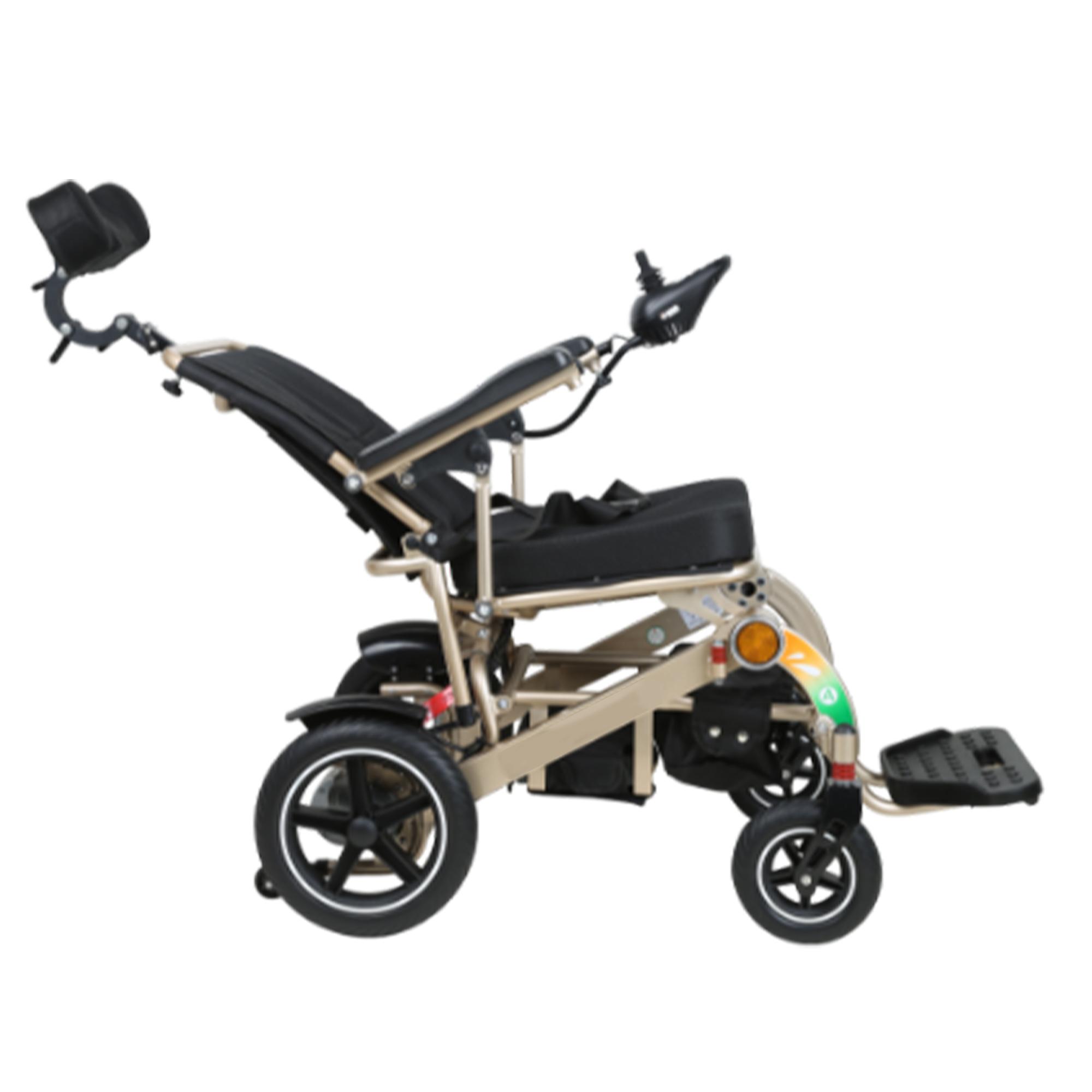
1. World Health Organization. *Wheelchair Provision Guidelines*. The WHO states that better wheelchair outcomes come from individualized assessment, fitting, training, and follow-up by trained personnel. [https://www.who.int/publications/i/item/9789240074521] [who]
2. World Health Organization. *Wheelchair Services*. Overview of WHO's evidence-based recommendations for wheelchair service delivery, including personalized assessment, fitting, training, and ongoing follow-up. [https://www.who.int/teams/health-product-policy-and-standards/assistive-and-medical-technology/assistive-technology/wheelchair-services] [who]
3. World Health Organization. *Wheelchair Provision Guidelines: Select, Fit, Train and Follow Up*. Detailed guidance on individual selection, fitting, training, wheelchair appropriateness, and follow-up principles. [https://at2030.org/static/at2030_core/outputs/9789240074521-eng.pdf] [at2030]
4. Centers for Medicare & Medicaid Services. *State Operations Manual, Appendix PP: Guidance to Surveyors for Long Term Care Facilities*. Guidance includes resident seating characteristics such as seat height, seat depth, firmness, and arms that may assist a resident to rise. [https://www.cms.gov/regulations-and-guidance/guidance/manuals/downloads/som107ap_pp_guidelines_ltcf.pdf] [cms]
5. Centers for Medicare & Medicaid Services. *Positioning Critical Element Pathway*. Guidance on positioning, alignment, wheelchair size, supports, cushions, armrests, foot placement, and care-plan reassessment. [https://www.cms.gov/files/document/cms-20121-positioningpdf] [cms]
6. Tianjin Kangli Medical Equipment Co., Ltd. *Official Website*. Company background and medical-equipment manufacturing context. [https://www.klmedbed.com/] [klmedbed]
Hot Tags: China, Global, OEM, private label, manufacturers, factory, suppliers, manufacturing company


