

Views: 380 Author: kangli Publish Time: 2026-04-30 Origin: Site


Content Menu
>> The Strategic Value of Professional OEM Partnerships
>> Core Pillars of Manufacturing Excellence
>> Strategic Advantages of High-Performance OEM
>> Future-Proofing: Innovation in Caregiving
>> Enhancing User Experience for B2B Clients
>> Conclusion
>> Frequently Asked Questions (FAQ)
>> References
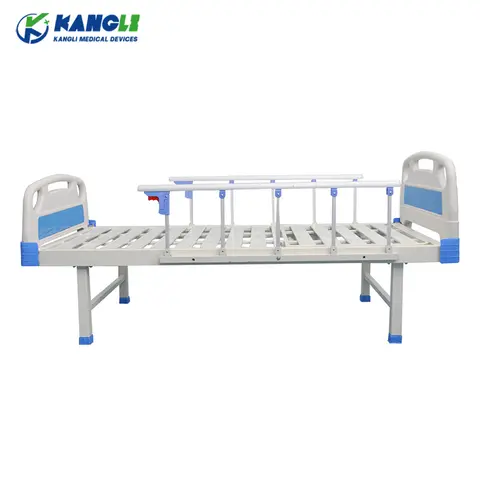
In the rapidly evolving landscape of 2026, the medical furniture market is no longer just about basic patient support—it is about the integration of safety, ergonomics, and advanced technology. For international brand owners, wholesalers, and medical institutions, choosing a manufacturing partner is a critical decision that impacts long-term operational success and patient outcomes.
As an industry strategy expert, I have analyzed the current market trajectory. The global nursing bed and medical device contract manufacturing landscape is shifting toward high-compliance, high-precision solutions. To succeed, your OEM partnership must be built on the pillars of E-E-A-T (Experience, Expertise, Authoritativeness, Trustworthiness).
Many organizations mistakenly focus purely on acquisition costs. However, data indicates that organizations prioritizing Total Cost of Ownership (TCO) over initial price points save 40% to 60% in lifecycle costs. For your brand to remain competitive, your OEM partner must be more than just a factory; they must be a technical partner that understands global regulatory landscapes.
When selecting a manufacturer for Smart Nursing Beds or acute care equipment, the following standards are non-negotiable in 2026:
* ISO 13485 Certification: The gold standard for medical device quality management systems. This ensures consistent design, production, and installation.
* IEC 60601-2-52 Compliance: This specific international standard defines the essential safety and performance requirements for medical beds, focusing on critical areas such as side rail entrapment, mechanical strength, and electrical safety.
* Biomechanical Design: Proper bed height (51–66 cm) is proven to significantly reduce fall risks and ground reaction forces for patients during ingress and egress.
| Feature | Low-Tier Manufacturing | Strategic OEM Partner (e.g., Kangli) |
| Safety Standard | Baseline/Unknown | Full IEC 60601-2-52 Compliance |
| Quality Management | None | ISO 13485 Certified Systems |
| Technical Support | Minimal | Lifecycle Engineering & CAPA Management |
| Market Readiness | Low | Fast-track Regulatory Filing Support |
To transcend industry competition, we must look beyond basic functionality. Here are three critical areas where high-value OEM partnerships add unique worth:
1. Caregiver Ergonomics: Musculoskeletal disorders among healthcare workers are a global crisis. Modern beds must feature intuitive, electronically adjusted heights to reduce physical strain.
2. Smart Integration: The future lies in connected beds featuring weight sensors, fall detection, and two-way communication, essential for modern decentralized care models.
3. Stringent Change Control: An authoritative OEM partner maintains rigorous change control protocols. Any modification to materials or manufacturing processes requires mandatory prior notification and validation to ensure continued device conformity.
Effective B2B content must facilitate quick information digestion. We prioritize scannability and clarity through:
* Actionable Lists: Simplifying complex regulatory requirements into step-by-step checklists.
* Strategic Boldness: Highlighting critical terminology so decision-makers can identify value instantly.
* Visual Strategy: We recommend integrating infographics that display procurement flowcharts and ergonomic safety data to build immediate trust.
The demand for high-quality, safe, and efficient medical beds is projected to see steady growth through 2035. By aligning with a manufacturing partner that prioritizes international standards, deep technical expertise, and total lifecycle value, you secure your brand's future in an increasingly discerning global market.
1. Why is IEC 60601-2-52 critical for my medical bed brand?
It is the international standard for medical bed safety. Compliance ensures your products are legally marketable in major global regions and protects your brand from liability regarding patient entrapment or mechanical failure.
2. What should I look for in an OEM manufacturer's quality system?
Always prioritize ISO 13485 certification. This proves they have a documented quality management system, essential for medical device consistency and safety.
3. How does a focus on TCO improve my brand's profitability?
By reducing maintenance frequency and enhancing product durability, TCO-focused manufacturing prevents the 40-60% extra costs associated with poor-quality equipment over time.
4. Can you help with the regulatory filing process?
Yes. A top-tier OEM partner provides the technical documentation, test reports, and compliance data needed to accelerate your regional registration filings.
5. What is the current trend in medical bed technology for 2026?
The focus is on "Smart Beds"—beds with integrated weight sensing, automated fall alerts, and enhanced ergonomic interfaces to aid both patient recovery and caregiver efficiency.
* [Medical Bed Market Size, Growth, and Trends Report – 2035]
* [IEC 60601-2-52:2009 Standard Requirements]
* [The Complete Hospital Equipment Procurement Guide]


