

Views: 222 Author: kangli Publish Time: 2026-11-10 Origin: Site


Content Menu
● Wheelchair AQL Pre-Shipment Inspection: Setting Defect Categories for a Bulk Order
● What Is AQL in a Wheelchair Pre-Shipment Inspection?
>> AQL Is Not a Defect Allowance
● Why Defect Categories Matter for Bulk OEM Wheelchair Orders
● Recommended Wheelchair Defect Categories
>> Critical Defects: Define the Stop Rule Explicitly
● How to Set AQL Criteria Before the Shipment Is Ready
>> 1. Define the Lot and Inspection Scope
>> 2. Agree on the Standard and Sampling Plan
>> 3. Convert Expectations Into Verifiable Criteria
>> 4. Select AQL Values by Risk and Contractual Priority
>> 5. Define What Happens When the Lot Fails
● A Practical Pre-Shipment Inspection Workflow
● What to Include in the Inspection Report
● New Expert Perspective: Treat Repeat Minor Defects as Process Signals
● New Expert Perspective: Separate Shipment Inspection From Product Validation
● Frequent AQL Inspection Mistakes to Avoid
● Image, Chart, and Video Suggestions
● Work With an OEM Partner on a Clear Inspection Plan
>> 1. Does passing AQL inspection mean every wheelchair is defect-free?
>> 2. Which defects should be treated as critical for wheelchairs?
>> 3. What AQL value should I choose for a wheelchair order?
>> 4. Can a pre-shipment inspection replace ISO 7176 testing?
>> 5. What happens if the sample exceeds the acceptance number?
>> 6. When should defect categories and AQL criteria be agreed?
>> 7. What should I send an OEM factory before requesting an inspection?
For international wheelchair brands, wholesalers, and manufacturers, a pre-shipment inspection is most useful when it does more than count defects. A well-defined wheelchair AQL pre-shipment inspection connects sampling rules to real product risks: brakes that fail to hold, a frame that does not match the approved specification, missing accessories, or packaging that cannot protect the order in transit. For an OEM bulk order, the buyer and factory should agree on defect categories, inspection criteria, and corrective-action rules before production is complete.
At Tianjin Kangli Medical, we recommend treating AQL as one part of a documented quality-control plan—not as a guarantee that every unit in a shipment is defect-free. This guide explains how to set up a practical, risk-based inspection for manual and powered wheelchairs, how to classify defects, and what buyers should request in an inspection report.
How can I start an OEM partnership with your factory?
We recommend an initial technical consultation to review your design specifications. Please contact our dedicated B2B team at [Yukili90@tjkangli.com] to discuss your product requirements.
Let’s build excellence together. Whether you need a quote for a large-scale project or want to explore private labeling opportunities for our 5-function medical bed series, we are here to support your success. Click here www.klmedbed.com to connect with our B2B team and start your customized manufacturing journey today.

AQL, or *Acceptance Quality Limit*, is a sampling-inspection concept used to decide whether a production lot meets agreed acceptance criteria. Under ISO 2859-1, sampling plans for inspection by attributes are indexed by AQL and selected according to factors such as lot size and inspection level. AQL does not mean that a buyer is guaranteed a particular percentage of defects in the delivered order, nor does passing a sample prove every unit is conforming.
A typical plan involves:
1. Defining the inspection lot—for example, one model, configuration, and production batch.
2. Selecting the sampling plan—including the applicable standard, inspection level, and normal, tightened, or reduced inspection status where applicable.
3. Inspecting randomly selected units against agreed criteria.
4. Comparing observed defects with the plan's acceptance and rejection numbers.
5. Recording the result and disposition—accept, reject, rework, or reinspect according to the purchase agreement.
The actual sample size and Ac/Re numbers should come from the applicable, controlled sampling standard and agreed plan. Avoid copying a generic online table: the correct plan depends on the order details and the parties' chosen rules.
AQL is a lot-acceptance sampling parameter, not permission to ship a known number of unsafe products. If an inspector finds a safety-critical defect, the buyer's contract may require immediate escalation regardless of the overall sample result. The parties should define that rule in writing, rather than assuming the ordinary AQL result covers every risk.
Key distinction: AQL helps make a sampling decision. It does not replace product testing, process controls, regulatory obligations, or the manufacturer's responsibility to release conforming products.
A single "pass/fail" label hides important differences. A loose cosmetic trim piece and a wheelchair brake that will not engage should not carry the same severity. A useful classification system helps brand owners, importers, and OEM factories prioritize risk, respond consistently, and create traceable inspection records.
Before production, align the defect categories with:
- The approved product specification, drawings, bill of materials, and "golden sample."
- Intended use, product configuration, and the target market.
- Relevant safety and performance requirements.
- Packaging, labeling, manuals, and order-specific requirements.
- The agreed AQL sampling plan and any safety-critical override rule.
For wheelchair design and performance, the ISO 7176 series covers test areas that include stability and braking. The applicable parts and requirements depend on the wheelchair type and the product being assessed; a visual pre-shipment inspection is not a substitute for the relevant design verification or laboratory testing.
| Category | What it means | Possible wheelchair examples | Recommended response |
|---|---|---|---|
| Critical | A condition that may create an unacceptable safety, regulatory, or serious functional risk. | Brake or anti-tip feature fails an agreed safety check; unstable or structurally damaged frame; exposed sharp edge with injury potential; electrical hazard on a powered chair. | Stop and escalate. Hold the affected lot pending documented investigation and disposition. Do not rely solely on the routine AQL result. |
| Major | A nonconformity that may impair function, durability, usability, or an important contractual requirement. | Wheel lock does not hold as specified; incorrect seat width; wheel or caster has excessive play; powered-chair control or charger is incorrect; key accessory is missing. | Record against agreed major-defect criteria; request containment, correction, and the appropriate reinspection decision. |
| Minor | A deviation unlikely to impair safety or intended function, but still outside agreed workmanship or appearance criteria. | Small finish blemish, minor stitching irregularity, or superficial scuff that does not affect material integrity or use. | Assess against agreed visual limits and acceptance criteria. Track repeated patterns even if individual instances are minor. |
A critical defect should be tied to a clear, observable criterion. "Unsafe brake" is too vague unless the inspection plan says what is checked, how it is checked, and what constitutes failure. For example, a plan might specify a particular brake engagement check on a defined surface and configuration. The procedure and limit should come from product requirements and risk controls—not be invented during the final inspection.
For powered wheelchairs, critical checks may also involve visible damage to electrical components, exposed wiring, or an identified failure during a specified functional test. Any limits and test methods must be appropriate to the model and supported by the manufacturer's instructions or validated requirements.
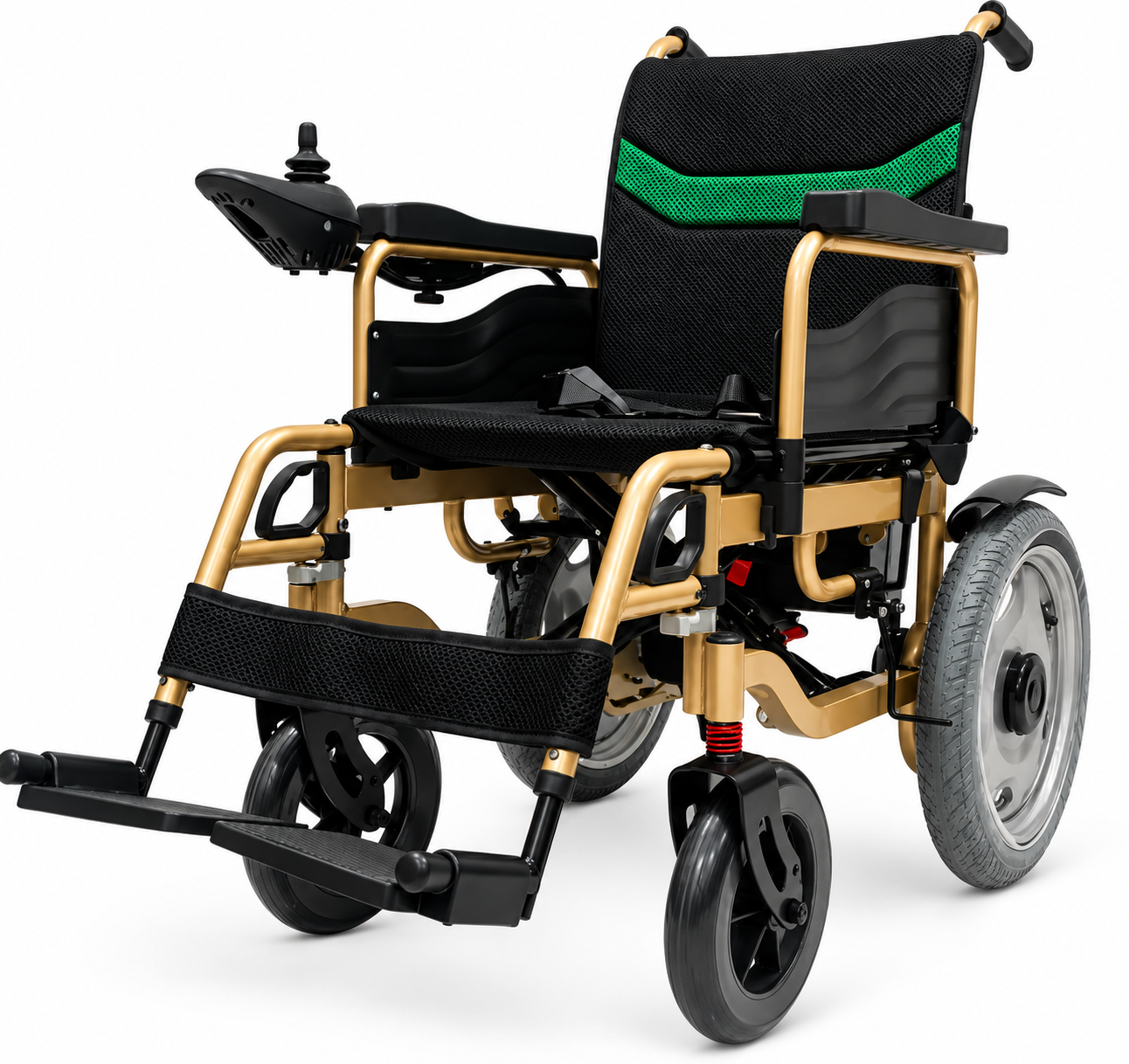
State exactly what is being inspected: model, options, order quantity, production batch, and packaging configuration. A mixed shipment with several models or materially different configurations may need separate inspection groups. Keep serial or batch identification available so findings can be traced to the relevant production records.
Name the standard and edition, inspection level, sampling type, and inspection status in the purchase contract or inspection instruction. ISO 2859-1:2026 describes single, double, and multiple sampling plans for inspection by attributes, indexed by AQL for lot-by-lot inspection. Buyers should verify the edition and agreed scheme used for their order rather than assuming different standards or tables are interchangeable.
If the customer's quality system specifies a different recognized scheme, such as ANSI/ASQ Z1.4, identify it clearly. Do not combine code letters, sample sizes, and acceptance numbers from different tables.
For each item, state the method, condition, and pass/fail requirement. Examples include:
- Identity and configuration: model, frame, seat width, color, accessories, and approved options match the order.
- Visual condition: defined limits for scratches, coating defects, seams, upholstery, and finish.
- Assembly: fasteners, wheels, footrests, armrests, and other specified components are present and correctly fitted.
- Function: brakes, folding or adjustment features, steering, controls, and powered functions operate as specified.
- Packaging and documents: carton marks, labels, manuals, charger, and included accessories match the approved packing list.
A check should be specific enough that two qualified inspectors can reach the same result. "Looks good" is not an inspection criterion.
The buyer and supplier should agree on separate acceptance criteria for critical, major, and minor defects based on the product risk, customer requirements, and applicable regulations. Higher-risk characteristics warrant more stringent controls and may require 100% checks, validated functional testing, or a separate engineering test, rather than relying on sampling alone.
Avoid presenting a single set of AQL numbers as universally correct for wheelchairs. The appropriate plan depends on the lot, sampling standard, product risks, and commercial agreement.
A useful inspection instruction answers these questions in advance:
- Is the shipment held while the supplier sorts or reworks the lot?
- Who authorizes rework and pays for it?
- Must the entire lot or only affected units be reinspected?
- What happens if a critical defect is found?
- How are repeat defects, concessions, or deviations approved?
- What inspection evidence must accompany the corrective action?
Clear rules prevent a late-stage argument over whether "pass" means shipment can proceed.

1. Review approved documents. Use the latest purchase order, drawings, product specification, packaging artwork, approved sample, and change history.
2. Confirm lot readiness. Verify that the agreed quantity is produced, finished, packed or presented for inspection, and identifiable by batch.
3. Draw a random sample. Follow the agreed sampling plan; avoid selecting only easy-to-reach cartons or units supplied by the factory.
4. Check identity and quantity. Reconcile model, configuration, production quantity, carton count, and traceability information.
5. Inspect workmanship and assembly. Use a consistent checklist and defect-code system.
6. Perform agreed functional checks. Inspect representative units using the documented method and safe test conditions.
7. Record each finding. Include the unit or carton reference, defect category, description, evidence, and result.
8. Issue a clear disposition. State whether the lot meets the agreed criteria, is rejected, or requires rework and follow-up.
9. Close corrective actions. Preserve the report and reinspection evidence in the order's quality file.
The sampling decision is only as reliable as the inspection instructions and execution. If inspection conditions, test methods, or defect descriptions change from one inspector to another, trend data becomes difficult to compare.
A useful wheelchair AQL inspection report should let a buyer understand what was checked, what was found, and why the decision was reached. Include:
- Order number, factory, inspection date, model, lot size, and batch identifiers.
- Sampling standard and edition, inspection level, sample size, and the agreed AQL plan.
- Defect definitions and the Ac/Re numbers used for each category.
- Results by defect type, including counts and unit references.
- Photos of nonconformities and, where useful, compliant examples.
- Functional-check methods and results, including test conditions.
- Packaging, labeling, accessory, and document findings.
- Overall result, limitations, and required corrective actions.
An inspection report is evidence of a particular inspection, not proof that every unit is defect-free or that all regulatory requirements have been met.
A minor issue may appear harmless in one sample. Repeated instances can point to a manufacturing or handling problem: a coating process drifting, packaging protection being insufficient, or an assembly instruction being unclear. Review findings by defect type, production date, workstation, and model, not just by final pass/fail status.
For OEM programs, this trend review can help the brand and manufacturer decide whether to revise work instructions, tooling, supplier controls, packaging, or the approved sample. A recurring minor defect may therefore deserve a corrective-action investigation even when the lot meets its agreed acceptance criteria.
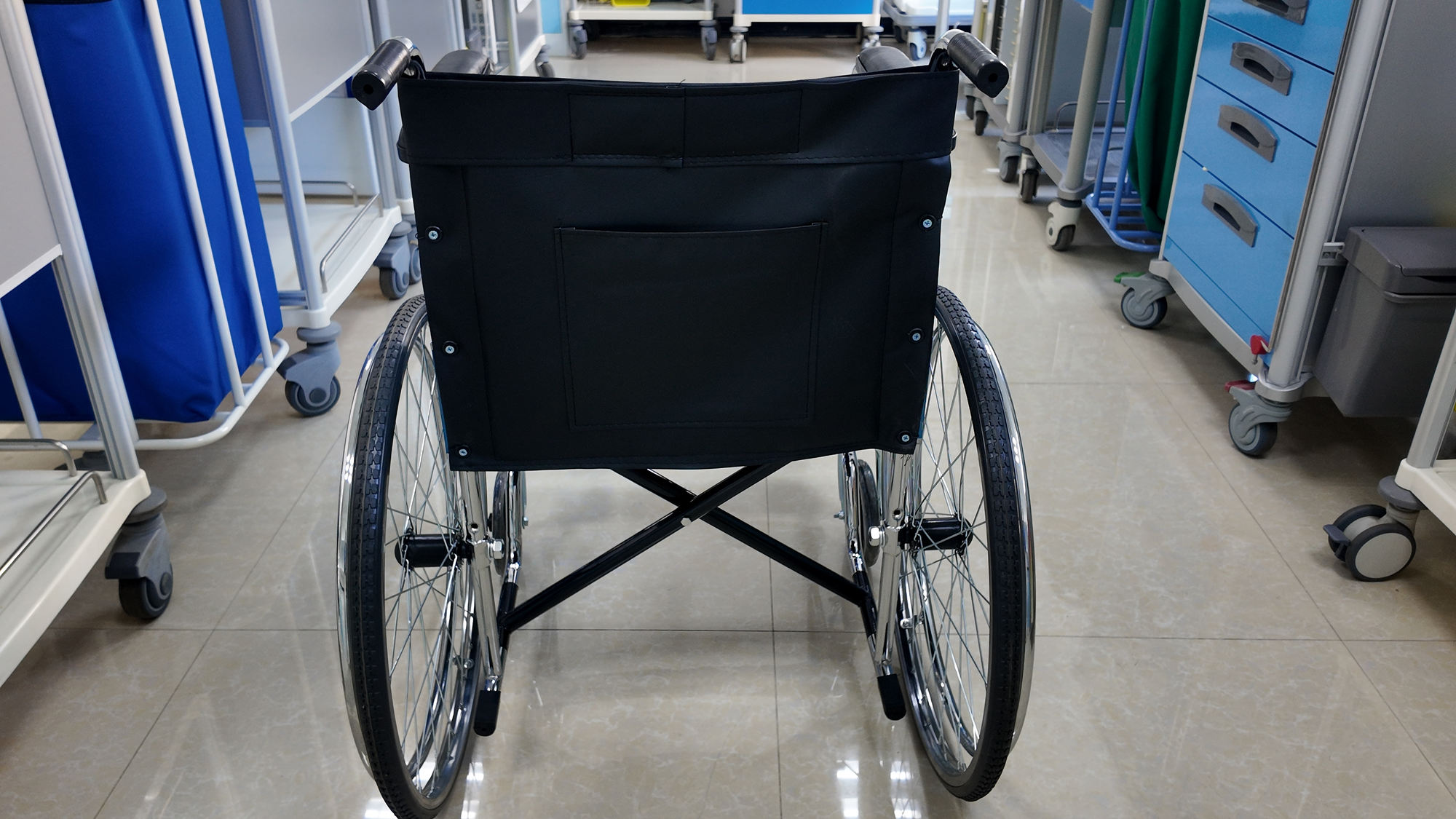
A pre-shipment inspection normally checks a sample against agreed acceptance criteria. It should not be confused with design validation, qualification testing, or regulatory assessment. Wheelchair performance standards address formal test topics such as stability and braking; the applicable requirements depend on the wheelchair and market.
Before relying on a shipment inspection, confirm that the product's design, risk controls, and required testing have been addressed through the appropriate quality and compliance processes. FDA's Quality Management System Regulation (QMSR) became effective on February 2, 2026, and incorporates ISO 13485:2016 by reference, alongside FDA-specific provisions. Market access and obligations remain product- and role-specific, so OEM partners should confirm responsibilities with qualified regulatory personnel.
- Treating AQL as a promise of zero defects. Sampling supports a lot decision; it does not prove every unit conforms.
- Using vague defect language. Terms such as "bad finish" or "poor assembly" need measurable definitions and examples.
- Failing to agree on the safety override. Critical defects need a clear escalation and lot-hold rule.
- Inspecting against an obsolete sample. Approved changes must be controlled and communicated before inspection.
- Mixing different models into one lot without justification. Distinct specifications can require separate inspection criteria.
- Skipping traceability. Findings are much harder to investigate if units cannot be linked to a batch or order.
- Assuming visual inspection proves performance. Some safety or durability questions require defined functional checks or separate testing.
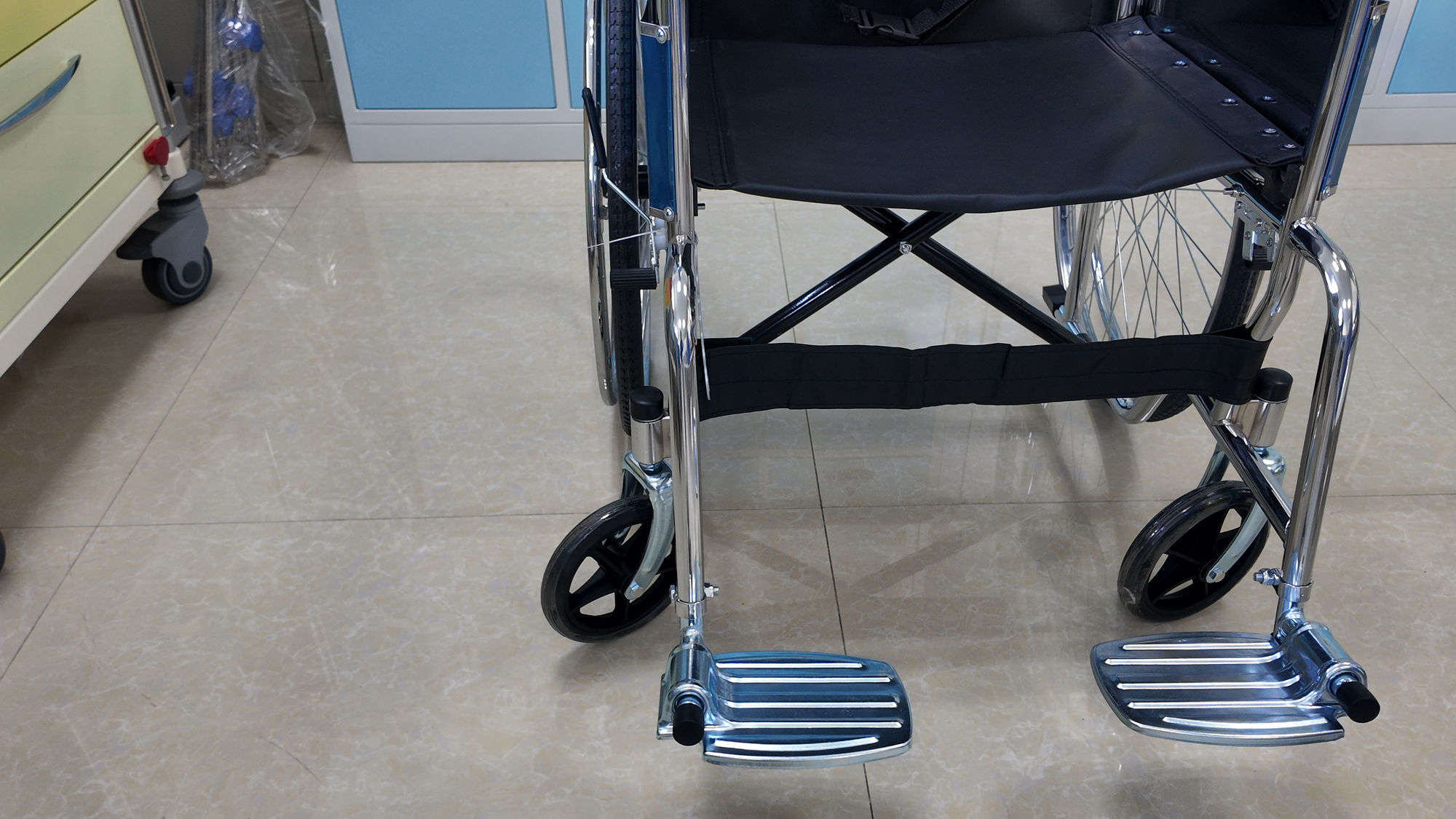
- Hero image: An inspector checking wheelchair brakes and assembly at the factory, with the product model visible.
- Defect-category graphic: A simple critical/major/minor matrix with examples and response rules.
- Sampling workflow diagram: Lot definition → sample selection → inspection → Ac/Re decision → corrective action.
- Short video: A safe, documented demonstration of agreed manual-wheelchair brake checks or powered-wheelchair functional checks. Show the method and conditions; do not imply that a short clip replaces formal testing.
For a successful bulk order, agree on the sampling standard, defect definitions, product-specific checks, report requirements, and failed-lot process before shipment. Tianjin Kangli Medical supports OEM discussions for international wheelchair brands, wholesalers, and manufacturers. Share your product specification, order configuration, target market, and inspection requirements so the quality plan can be aligned with your project.
Contact our team to discuss your wheelchair OEM order and pre-shipment inspection checklist. A clear agreement before production helps both parties reduce avoidable disputes and make shipment decisions based on documented criteria.
No. AQL sampling evaluates a sample under an agreed plan and supports a lot decision. It does not guarantee that every unit in the shipment is defect-free.
The buyer and manufacturer should define critical defects based on the model's risks and requirements. Potential examples include a failed safety-related function, structural damage, or an electrical condition that presents a hazard. The criteria and escalation rule should be agreed in writing before inspection.
There is no single universally correct AQL value for every wheelchair. Choose acceptance criteria with reference to the sampling standard, intended use, product risks, customer requirements, and applicable market obligations. Some safety-critical requirements may need controls beyond sampling.
No. A pre-shipment inspection checks sampled units against agreed shipment criteria. The ISO 7176 series addresses defined wheelchair test areas, including stability and braking; use the applicable requirements and test methods for the product.
Follow the contract and inspection instruction. Possible actions include holding the lot, sorting or reworking affected units, investigating the cause, and conducting an agreed reinspection. The decision and corrective-action evidence should be documented.
Before mass production is complete—and ideally before the purchase order is finalized. Early agreement gives the brand and OEM manufacturer time to align specifications, inspection methods, packaging requirements, and corrective-action rules.
Provide the purchase order, model and configuration details, approved drawings or specification, reference sample, packaging and labeling requirements, target market, and any required inspection standard or customer checklist. Specify how critical, major, and minor defects will be handled.
ECQA — Wheelchair testing and overview of relevant test standards
FDA — Quality Management System Regulation (QMSR) information
*Reference note: Standards, regulatory requirements, and product-specific acceptance criteria should be checked against the current official documents and the destination market. This article is general quality-planning guidance, not legal or regulatory advice.*


