Content Menu
Solid vs Pneumatic Wheelchair Tires: Which Should Distributors Choose?
● 1. The Physics of Rolling: Understanding Tire Hysteresis
● 2. What Are Solid Wheelchair Tires? (Pros & Cons)
>> The Advantages of Solid Tires
>> The Disadvantages of Solid Tires
● 3. What Are Pneumatic Wheelchair Tires? (Pros & Cons)
>> The Advantages of Pneumatic Tires
>> The Disadvantages of Pneumatic Tires
● 4. Head-to-Head Comparison: Solid vs. Pneumatic Tires
● 5. A Distributor's Perspective: Key Factors in Sourcing Wheelchairs
>> 5.1 Evaluating Maintenance Costs and Institutional Budgets
>> 5.2 Target Audience and Terrain Use Cases
>> 5.3 Shipping, Storage, and Inventory Logistics
● 6. Expert Insights: Market Trends and the "Foam-Filled" Middle Ground
>> The Rise of Foam-Filled (Airless Insert) Tires
>> Aging Demographics and Market Expansion
● 7. Why Tianjin Kangli Medical is Your Ideal Manufacturing Partner
● 8. Conclusion and Call to Action
● Frequently Asked Questions (FAQs)
● References
Looking for a Reliable Medical Equipment Manufacturer?**
Kangli Medical provides hospital beds, wheelchairs, and medical furniture with OEM/ODM customization and bulk order support.
Contact us for the latest product catalog, technical specifications, and factory quotations.
WhatsApp: +86 136 5207 7555
Email: Yukili90@tjkangli.com
Website: www.klmedbed.com
Send Us a Message: https://wa.me/8613652077555
For global medical equipment distributors, selecting the right wheelchair specifications is more than just a matter of user preference—it is a critical business decision that directly impacts profitability, after-sales service, and institutional client satisfaction. At the forefront of procurement strategies is the ongoing debate of solid vs pneumatic wheelchair tires.
Should you prioritize the zero-maintenance appeal of solid rubber, or the unparalleled shock absorption of pneumatic (air-filled) options? As the global wheelchair market is projected to reach USD 21.8 Billion by 2033, understanding the biomechanical, financial, and logistical differences between these tire types is essential for staying competitive.
Drawing on decades of manufacturing expertise, this comprehensive guide will provide a head-to-head comparison of
solid vs pneumatic wheelchair tires, explore emerging market trends, and equip distributors with the insights needed to optimize their product catalogs.
1. The Physics of Rolling: Understanding Tire Hysteresis
Before diving into the pros and cons, distributors must understand the core physics that dictate wheelchair performance: hysteresis and rotational mass.
When a wheelchair tire rolls under the weight of a patient, the material constantly deforms and rebounds.
Air has minimal internal friction, meaning pneumatic tires absorb shock efficiently without significant energy loss. This natural suspension protects patients' joints from repetitive stress.
In contrast, solid tires—typically made from polyurethane (PU) or solid rubber compounds—suffer from high hysteresis. The physical deformation of the solid material absorbs the user's pushing energy, resulting in a heavier, more sluggish ride. Furthermore, solid tires add rotational mass. For users with limited upper body strength, this extra weight leads to faster fatigue compared to lighter, air-filled alternatives.
2. What Are Solid Wheelchair Tires? (Pros & Cons)
Solid wheelchair tires are monolithic elastomer structures, completely devoid of air chambers. Typically manufactured via injection molding or compression techniques using polyurethane or rubber, they are designed for maximum durability. Holding approximately 32% of the global market share in 2025, they are a staple in commercial and institutional settings.
The Advantages of Solid Tires
-
Zero Puncture Risk: The primary advantage is absolute reliability— no flat tires, ever. A stray piece of glass or a sharp thorn will not compromise mobility.
-
Maintenance-Free Operations: Solid tires drastically reduce the burden on nursing staff and caregivers. They require zero weekly pressure checks and no inner tube replacements.
-
Ideal for Indoor Facilities: They perform exceptionally well on smooth, hard surfaces like hospital corridors, shopping malls, and airport terminals.
-
Lower Lifetime Service Costs: For rental fleets and high-traffic hospitals, the elimination of downtime and repair labor makes solid tires incredibly cost-effective over a 3-to-5-year lifespan.
The Disadvantages of Solid Tires
-
Poor Shock Absorption: The rigid nature of the material transfers road vibrations directly to the wheelchair frame and the user's spine, causing discomfort on uneven terrain.
-
Higher Rolling Resistance: As proven by clinical studies, solid tires require significantly more physical effort to push due to material hysteresis.
-
Tread Wear Vulnerability: While they never go flat, solid tires do wear down slowly. Once the tread smooths out, they offer
zero grip on wet surfaces, creating a severe safety hazard.
-
Heavier Overall Weight: The dense material increases the overall net weight of the wheelchair, making it slightly harder to lift into vehicles.
3. What Are Pneumatic Wheelchair Tires? (Pros & Cons)
Pneumatic wheelchair tires feature pressurized air chambers (typically 60–120 PSI) enclosed in vulcanized rubber shells. They function much like bicycle or car tires. Currently dominating with a 38% market share, they remain the performance benchmark for active and outdoor users.
The Advantages of Pneumatic Tires
-
Superior Ride Comfort: Air acts as a natural suspension medium, providing superior shock absorption over gravel, cobblestones, and uneven outdoor pavements.
-
Exceptional Traction: The rubber compounds and deep treads offer vastly superior grip on wet, slippery, or steep surfaces compared to solid alternatives.
-
Lightweight Efficiency: Because they are mostly filled with air, they keep the wheelchair's rotational mass low. This ensures the lowest rolling effort for self-propelling users.
-
Joint Health Preservation: By absorbing vibrations, pneumatic tires actively protect geriatric patients and long-term users from joint fatigue and spinal compression.
The Disadvantages of Pneumatic Tires
-
High Puncture Risk: They are highly susceptible to flats caused by nails, glass, or sharp rocks.
-
Strict Maintenance Requirements: Pneumatic tires require regular upkeep. Under-inflated tires drastically increase rolling resistance and risk "pinch flats," where the tube gets crushed against the rim.
-
Inconvenient Downtime: A flat tire renders the wheelchair completely immobile until a replacement tube is installed—a major liability for busy hospital wards.
4. Head-to-Head Comparison: Solid vs. Pneumatic Tires
To help procurement managers and B2B buyers make rapid, data-driven decisions, here is a direct comparison of the two primary tire architectures based on practical maintenance and performance:
| Feature | Solid Wheelchair Tires | Pneumatic Wheelchair Tires |
| Puncture Risk | Zero | Moderate to High |
| Shock Absorption | Low (High vibration transfer) | High (Natural air spring) |
| Maintenance Routine | Annual visual tread/crack inspection | Weekly thumb press & pressure check |
| User Exertion (Effort) | Higher (Due to material hysteresis) | Lowest (Highly efficient rolling) |
| Weight Profile | Heavier (Increases rotational mass) | Lighter |
| Best Environment | Indoors, Hospitals, Airports, Clinics | Outdoors, Rough Terrain, Active Daily Living |
Live-action video
5. A Distributor's Perspective: Key Factors in Sourcing Wheelchairs
As a distributor, your choice between solid vs pneumatic wheelchair tires should not be based solely on the end-user's comfort. You must evaluate the Total Cost of Ownership (TCO), regional infrastructure, and your own supply chain logistics.
5.1 Evaluating Maintenance Costs and Institutional Budgets
If your primary clients are hospitals, nursing homes, or rental agencies, solid tires are almost always the superior choice. In these fast-paced environments, wheelchairs are treated as utilitarian fleet vehicles. Staff do not have the time to perform weekly "thumb press tests" or monitor PSI levels. The downtime caused by a single flat pneumatic tire can disrupt patient transfers. Solid tires eliminate repair overhead and guarantee that the equipment is always ready for immediate transit.
5.2 Target Audience and Terrain Use Cases
Understanding your regional demographic is vital. In developing nations or rural areas with poor paving infrastructure, the natural suspension of pneumatic tires is often non-negotiable to prevent patient injury. Conversely, in highly developed urban centers where users navigate smooth sidewalks and indoor shopping malls, the frictionless rolling of solid tires is perfectly adequate.
5.3 Shipping, Storage, and Inventory Logistics
From an import perspective, stocking replacement parts for pneumatic tires requires maintaining a complex SKU inventory of inner tubes, tires, and pumps across various ISO sizes (e.g., ISO 540, ISO 501). Sourcing wheelchairs with standardized solid PU tires simplifies your after-sales inventory. When a solid tire finally wears out after 1,800–2,500 hours of use, the entire wheel assembly is typically swapped, streamlining the repair process for your technicians.
6. Expert Insights: Market Trends and the "Foam-Filled" Middle Ground
To truly outpace competitors, distributors must look beyond the binary choice of air versus solid rubber. The global wheelchair tires market is evolving, driven by an aging demographic and demand for hybrid solutions.
The Rise of Foam-Filled (Airless Insert) Tires
By 2025, foam-filled tires captured approximately 30% of the market share. These tires utilize a standard pneumatic rubber shell, but instead of air, they are injected with closed-cell polyurethane or polyethylene foam.
Why are they trending?
-
The Hybrid Benefit: They completely remove the risk of punctures while retaining some of the cushioning properties of air.
-
Reduced Resistance: They reduce rolling resistance by 15–20% compared to traditional solid tires.
-
The Trade-off: They carry a cost premium of 25–35% over solid alternatives and add substantial weight. Furthermore, installing foam inserts requires specialized mobility technicians.
For premium homecare wheelchair lines, offering foam-filled tires can act as a high-margin upsell for distributors catering to affluent geriatric populations.
Aging Demographics and Market Expansion
According to the World Health Organization, roughly 80 million people globally require a wheelchair. The rapid expansion of the geriatric population—who are prone to conditions like arthritis, osteoporosis, and stroke—is pushing the home care segment to account for the largest revenue share in the market. Distributors must curate catalogs that cater directly to elderly users, prioritizing features like lightweight aluminum frames and shock-absorbing tires to protect frail joints.
7. Why Tianjin Kangli Medical is Your Ideal Manufacturing Partner
Navigating the complexities of wheelchair specifications requires a manufacturing partner with deep industry expertise and flexible production capabilities. Established in 1998, Tianjin Kangli Medical Equipment Co., Ltd. has been at the forefront of medical furniture and rehabilitation equipment manufacturing for over two decades.
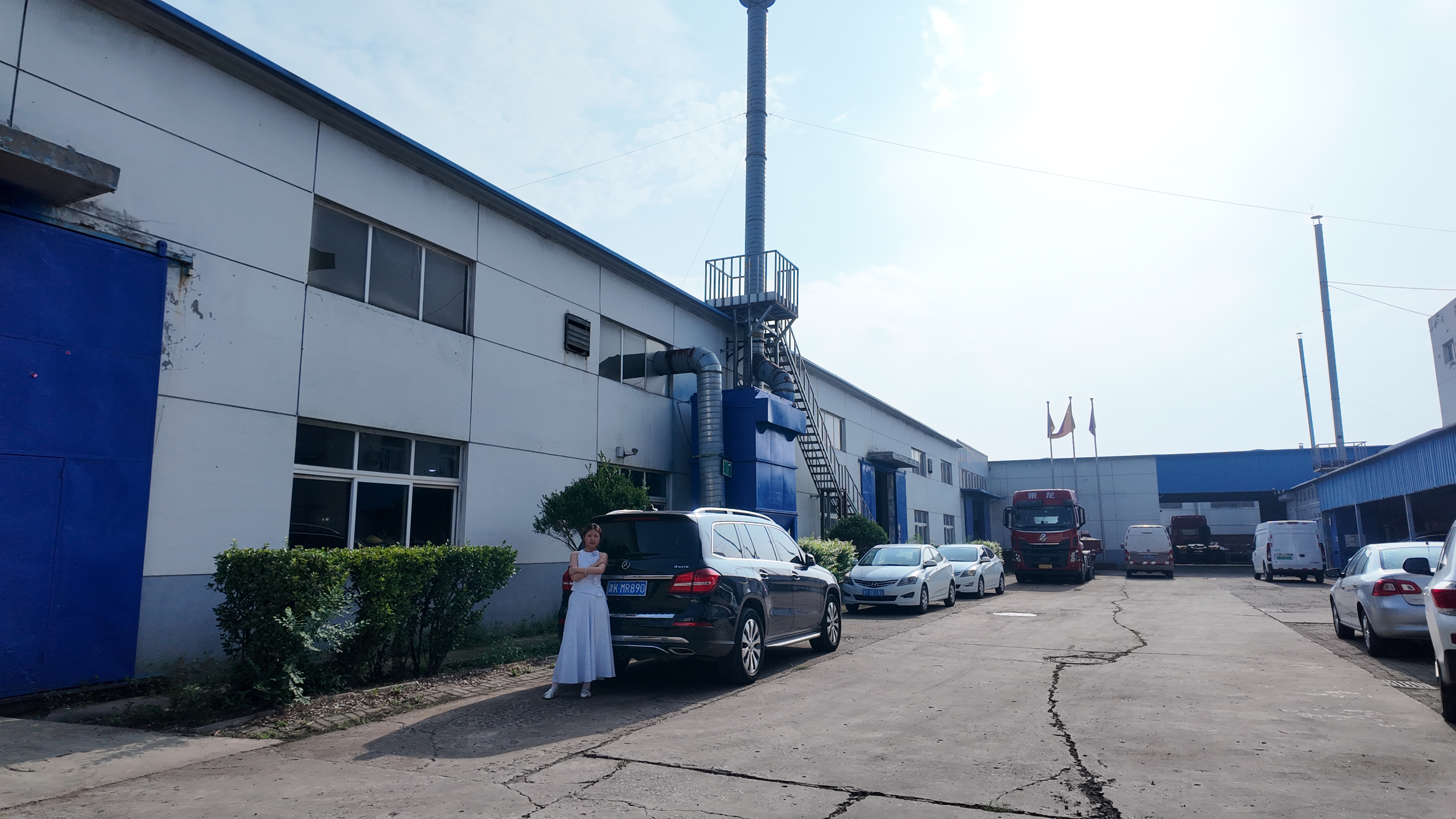
With a sprawling 20,000-square-meter production base and a dedicated workforce, we specialize in delivering premium medical beds, stretchers, and wheelchairs to hospitals, clinics, and global distributors.
How We Empower Our B2B Partners:
-
Tailored Configurations: Whether your market demands puncture-proof solid PU tires for hospital fleets or high-traction pneumatic tires for outdoor active users, we provide comprehensive OEM/ODM and private label services.
-
Uncompromising Quality: We utilize aerospace-grade aluminum and heavy-gauge carbon steel, ensuring our structural integrity meets strict international medical protocols.
-
Cost-Effective Sourcing: Our massive production scale allows us to offer highly competitive pricing without sacrificing the durable structure and standardized accessories that procurement projects demand.
-
Stable Delivery & Logistics: We understand that container optimization and stable lead times are the lifeblood of international trade. Our folding wheelchair designs maximize shipping density to reduce your freight costs.
If you are looking to expand your medical equipment portfolio with a trusted, experienced manufacturer, Tianjin Kangli Medical is ready to support your growth.
8. Conclusion and Call to Action
The debate between solid vs pneumatic wheelchair tires does not have a single correct answer. It requires an honest audit of your target market's lifestyle and institutional needs. Solid tires offer peace of mind and zero maintenance for clinical fleets, while pneumatic tires provide essential joint protection and outdoor agility for active users.
By understanding these nuances, distributors can curate a highly targeted product catalog that reduces after-sales friction and drives customer loyalty.
Are you ready to upgrade your medical equipment supply chain?Partner with Tianjin Kangli Medical Equipment today. [Contact our export team now] to request our latest product catalog, technical specifications, and exclusive wholesale FOB/CIF quotations tailored to your regional market.
Frequently Asked Questions (FAQs)
Q1: Can an end-user easily switch from solid to pneumatic tires on the same wheelchair? A: Generally, no. Most standard wheelchair rims are designed specifically for one type of tire. Switching from solid to pneumatic (or vice versa) often requires purchasing entirely new wheel assemblies, not just swapping the rubber tread. Distributors should clarify rim compatibility when supplying spare parts.
Q2: Do solid wheelchair tires ever need to be replaced? A: Yes, they do wear out, albeit slowly. While they will never go flat, the outer tread wears down over time, drastically reducing grip. They should be inspected annually. If the tread depth falls below 1-2 millimeters or deep sidewall cracks appear, they must be replaced to prevent slipping on wet surfaces.
Q3: How do you properly check the pressure on a pneumatic wheelchair tire? A: Beyond visual inspection, users should perform a "thumb press test." Pressing a thumb firmly into the tread should yield very little give. Additionally, when the user sits in the chair, the bottom third of the tire should only bulge slightly; if it looks squashed, it is severely under-inflated and requires immediate air to prevent rim damage.
Q4: Are foam-filled tires heavier than solid PU tires? A: Foam-filled tires are generally heavier than hollow pneumatic tires but can be slightly lighter or comparable to dense solid rubber tires, depending on the foam density used. They strike a middle ground, offering a softer ride than solid tires but requiring more pushing effort than properly inflated air tires.
Q5: Which tire type is better for bulk hospital procurement? A: Solid polyurethane (PU) or rubber tires are overwhelmingly preferred for institutional and hospital procurement. Because wheelchairs in these settings are used constantly by multiple patients and staff, the absolute lack of maintenance and zero puncture risk ensures maximum uptime and lower long-term servicing costs.
References
-
[1] Taobao Global Shopping Guide. (2026, October 30).
Solid vs Pneumatic Wheelchair Tires: Comfort, Maintenance and. Retrieved from
Taobao Shopping Guide
-
[2] Grand View Research. (2026).
Wheelchair Market Size, Share & Trends Report, 2026-2033. Retrieved from
Grand View Research
-
[3] DataHorizzon Research. (2026).
Wheelchair Tires Market (By Tire Type: Pneumatic, Solid, Foam-Filled...) - Global Market Size, Share, Growth, Trends, Statistics Analysis Report, By Region, and Forecast 2026–2033. Retrieved from
DataHorizzon Research
-
[4] Seventh Chakra. (2026, October 23).
Wheelchair Tire Types: Pneumatic, Solid and Foam-Filled. Retrieved from
Seventh Chakra Blog