
Language

Views: 224 Author: Kangli Medical Publish Time: 2026-11-24 Origin: Site


Content Menu
● 1. Hospital Bed Motor Problems
● 2. Hospital Bed Side Rail Problems
● 3. Hospital Bed Frame Instability
● 4. Hospital Bed Caster and Brake Problems
● 5. Powder Coating and Rust Problems
● 6. Wheelchair Brake Problems
● 7. Wheelchair Folding Mechanism Problems
● 8. Wheelchair Tire and Caster Problems
● 9. Weak Wheelchair Frame Structure
● 10. Stainless Steel Medical Trolley Problems
● 11. Medical Furniture Packaging Damage
● Common Medical Furniture Quality Problems at a Glance
● How Can Buyers Reduce Medical Furniture Procurement Risks?
● Tianjin Kangli Medical: An Experienced Medical Furniture Manufacturer
When purchasing medical furniture, product price is only one factor to consider. Structural strength, material quality, component performance, manufacturing processes, and long-term reliability are equally important to healthcare facilities and medical equipment distributors.
Based on common industry feedback and product usage experience, medical beds, wheelchairs, and medical trolleys may encounter problems such as motor failure, loose side rails, damaged casters, unstable frames, ineffective brakes, and peeling surface coatings. Understanding these potential quality issues helps international buyers evaluate suppliers more effectively and reduce procurement risks.
Electric hospital beds rely on motors and control systems to adjust the backrest, leg section, and overall bed height. Poor-quality motors or improper installation may cause slow operation, abnormal noise, control failures, or adjustment difficulties.
Before purchasing, buyers should check the motor brand, rated load capacity, operating stability, and control system configuration. Requesting actual functional testing is also important to verify that all adjustment functions work smoothly.
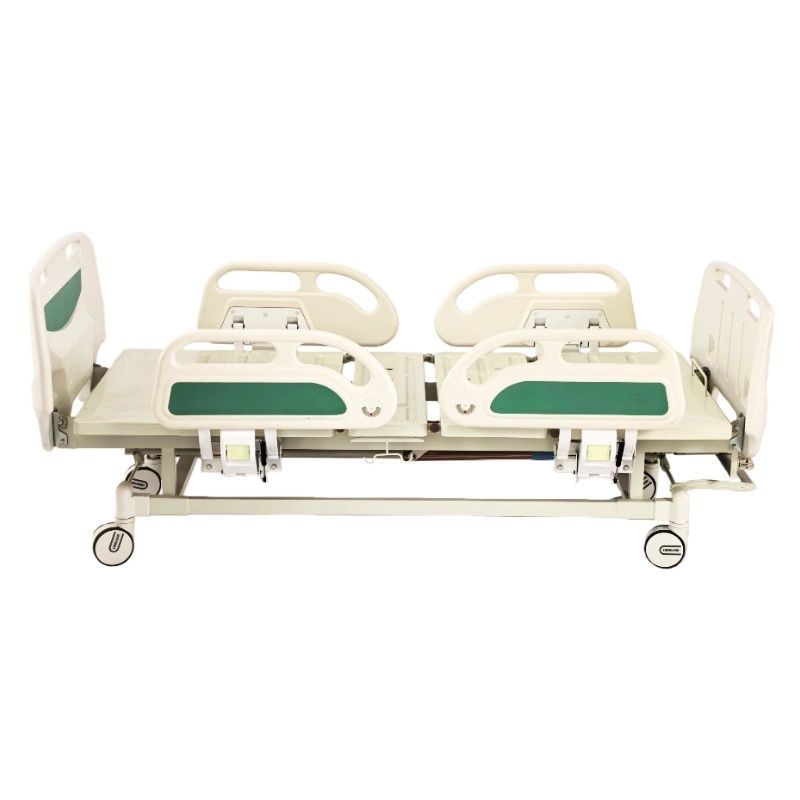
Side rails are essential safety components designed to help prevent patients from accidentally falling out of bed. Loose connections, unreliable locking mechanisms, or difficult-to-operate structures can affect their performance.
Buyers should inspect the rail mounting points, locking devices, lifting mechanisms, and overall structural stability. Both locking and releasing operations should be tested to ensure smooth and reliable operation.
Some hospital beds may develop frame movement, loose connections, or cracked welds after prolonged use or under repeated loading. These problems may be associated with material specifications, structural design, welding quality, or assembly processes.
When evaluating hospital beds, buyers should pay attention to steel tube specifications, material thickness, frame reinforcement, welding positions, and rated load capacity rather than judging quality by appearance alone.
Casters directly affect bed mobility and positioning. Common problems include excessive rolling noise, difficult steering, premature wear, and ineffective braking.
A reliable caster system should allow smooth movement and secure positioning when the brakes are engaged. Buyers should test caster rotation, directional movement, and locking functions, while confirming that the braking system matches the intended product configuration.
Insufficient surface preparation or inconsistent coating quality may cause peeling, scratches, and corrosion during long-term use. Apart from affecting appearance, damaged coatings can make routine cleaning and maintenance more difficult.
Buyers should understand the manufacturer's surface treatment procedures, including degreasing, rust removal, phosphating, and powder coating. Finished products should be checked for uniform coverage, surface defects, and exposed metal areas.
Wheelchair brakes are important safety components. Common issues include loose brake handles, misaligned braking mechanisms, and wheels that continue moving after the brakes are applied.
Before purchasing, buyers should inspect both left and right brake assemblies, check operating smoothness, and test braking performance under appropriate conditions. Consistent brake adjustment is particularly important for everyday wheelchair use.
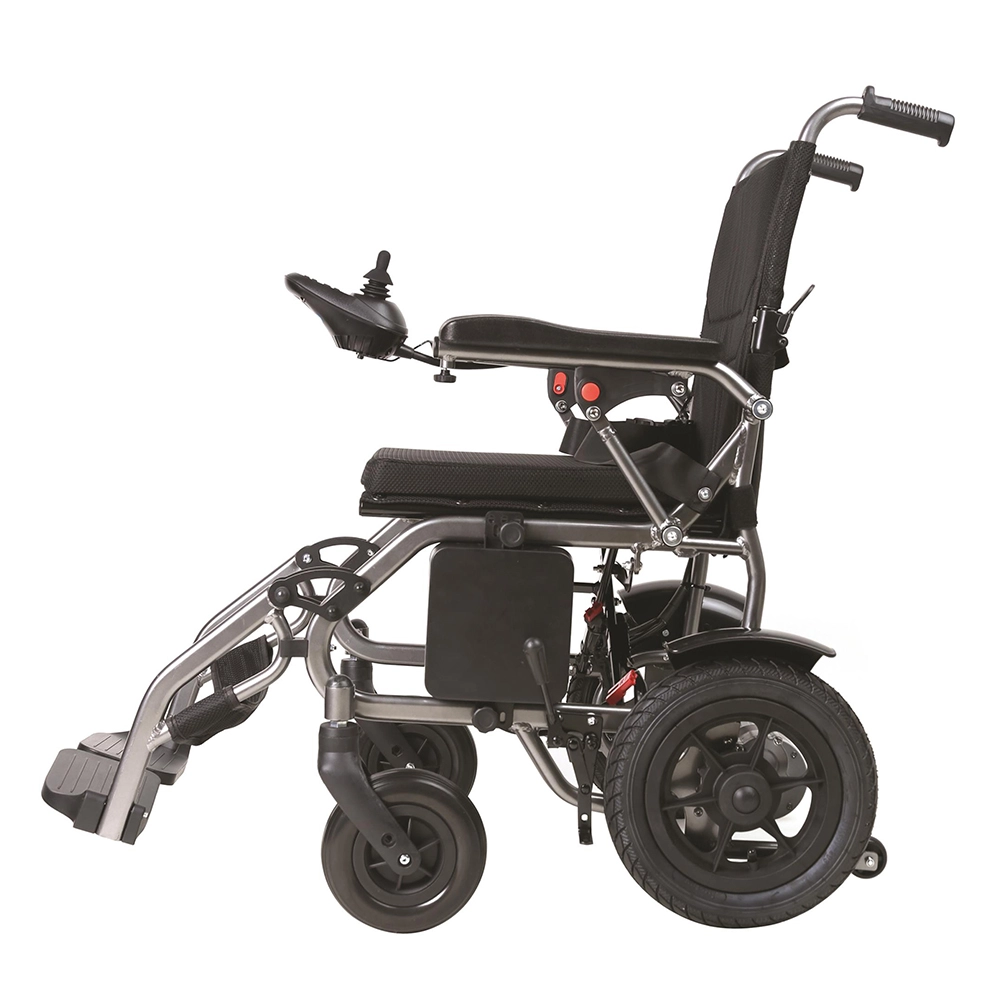
Folding wheelchairs use cross-bracing structures and connecting components to support folding and unfolding. Loose connections, sticking mechanisms, or unreliable locking structures may affect stability and convenience.
Buyers should examine the folding mechanism, connecting joints, locking positions, and overall frame construction. Repeated folding and unfolding tests can help identify potential mechanical problems.
During regular use, wheelchair tires and front casters are exposed to continuous friction and repeated movement. Typical problems include tire wear, air leakage in pneumatic tires, poor caster rotation, and bearing noise.
Buyers should confirm tire types, caster materials, bearing configurations, and the availability of replacement components. Easy maintenance and spare parts availability can also influence long-term operating costs.
Insufficient frame strength may result in deformation, loose connections, or structural movement over time. These issues can be related to material specifications, tube dimensions, welding quality, and connection design.
Procurement teams should review frame materials, tube specifications, welding points, and rated load capacity. Structural quality should be evaluated through technical specifications and appropriate inspections, not visual appearance alone.
Medical trolleys are frequently moved between hospital departments, making caster performance, welding quality, and drawer construction particularly important.
Common problems include noisy casters, difficult movement, uneven welds, sticking drawer slides, and rust marks on stainless steel surfaces. Buyers should inspect stainless steel material specifications, welding workmanship, surface finishing, drawer slide systems, and caster configurations.
Medical furniture often undergoes long-distance transportation and multiple loading and unloading operations. Inadequate packaging protection may result in scratched bed panels, damaged wheelchair components, surface impacts, or missing accessories.
Before shipment, buyers should confirm packaging materials, cushioning methods, accessory fixation, and carton dimensions. Appropriate export packaging should be selected according to the transportation method and product structure.
| Product Category | Common Quality Problems | Key Inspection Points |
|---|---|---|
| Hospital Beds | Motor failure, loose side rails | Motors, locking mechanisms |
| Hospital Beds | Frame instability, cracked welds | Steel specifications, welding |
| Hospital Beds | Noisy casters, brake failure | Casters, braking systems |
| Medical Furniture | Coating peeling, rust | Surface treatment |
| Manual Wheelchairs | Loose or ineffective brakes | Brake assemblies |
| Folding Wheelchairs | Loose folding mechanisms | Connections, locking structures |
| Wheelchairs | Tire wear, frame deformation | Tires, frame strength |
| Medical Trolleys | Noisy casters, welding defects | Casters, welding, finishing |
| Export Products | Packaging damage, missing accessories | Protective packaging, accessory fixation |
For overseas medical furniture buyers, comparing supplier quotations alone is not enough. A more comprehensive evaluation should include material specifications, structural design, component configurations, manufacturing processes, and final product inspections.
Before placing an order, buyers can request actual product photographs, technical specifications, detailed images of key components, functional testing records, and export packaging information.
For large-volume procurement projects, additional quality control measures are recommended, including:
Sample Evaluation: Check product appearance, structural details, functions, and component quality before bulk production.
Factory Audits: Understand the manufacturer's production capacity, equipment, assembly processes, and quality management procedures.
Pre-Shipment Inspection: Verify product specifications, functional performance, appearance, accessories, and packaging before delivery.
Technical Documentation: Confirm that product specifications and supporting documents meet the requirements of the target market.
Established in 1998, Tianjin Kangli Medical Equipment Co., Ltd. has more than 27 years of experience in medical furniture manufacturing. Its main product range includes manual and electric hospital beds, ICU beds, manual and electric wheelchairs, stainless steel medical trolleys, and various hospital furniture products.
Kangli focuses on structural design, material selection, standardized components, and quality inspections throughout the manufacturing process. The company also supports OEM and ODM cooperation, providing different product configurations and relevant technical documentation to meet the procurement requirements of customers in different countries and regions.
Choosing a reliable medical furniture manufacturer starts with understanding product structures, component quality, and manufacturing details. Careful supplier evaluation and systematic product inspections can help buyers reduce procurement risks and establish more stable long-term supply relationships.


