

Views: 214 Author: kangli Publish Time: 2026-11-19 Origin: Site


Content Menu
● How to Compare Wheelchair Upgrades for an OEM Product Line
● 1. Pressure-Management and Positioning Cushions
● 2. Adjustable Back Support and Seating Options
● 3. Quick-Release Rear Wheels
● 4. Tires and Casters for Different Environments
● 5. Brakes and Parking-Brake Options
● 6. Armrests and Transfer-Friendly Configurations
● 7. Footrests and Leg-Support Options
● 8. Anti-Tip Devices and Stability-Related Options
● A Practical OEM Validation Workflow
>> Step 1: Define the Target Product and Market
>> Step 2: Write Measurable Requirements
>> Step 3: Build and Review Representative Samples
>> Step 4: Validate the Configured Product
>> Step 5: Lock the Specification and Quality Controls
● Upgrade Comparison at a Glance
● Build a Better Product Line with Tianjin Kangli Medical
>> What wheelchair upgrades should a brand compare first?
>> Do all wheelchair upgrades need separate testing?
>> Does an anti-tip device make a wheelchair tip-proof?
>> Can one cushion meet every user's needs?
>> What information should I send an OEM wheelchair supplier?
>> How can wholesalers reduce complexity when offering upgrade options?
How can I start an OEM partnership with your factory?
We recommend an initial technical consultation to review your design specifications. Please contact our dedicated B2B team at [Yukili90@tjkangli.com] to discuss your product requirements.
Let’s build excellence together. Whether you need a quote for a large-scale project or want to explore private labeling opportunities for our 5-function medical bed series, we are here to support your success. Click here www.klmedbed.com to connect with our B2B team and start your customized manufacturing journey today.
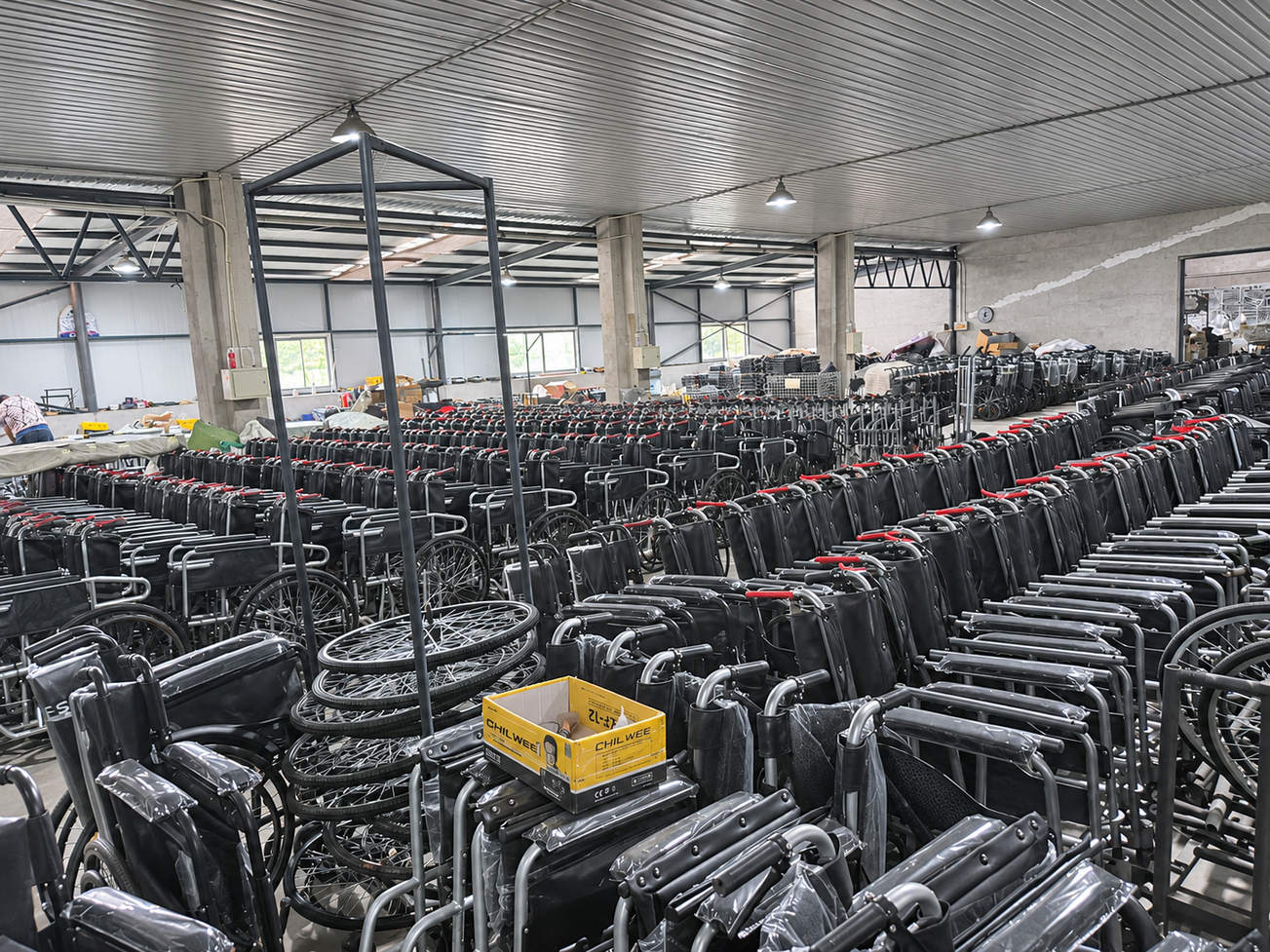
For wheelchair brands, wholesalers, and manufacturers, the right wheelchair upgrades can make a product line more useful, distinctive, and commercially relevant. The challenge is to compare more than features on a product sheet. Buyers need to consider user needs, fit with the base chair, durability, test evidence, target-market requirements, and the practicalities of OEM production.
At Tianjin Kangli Medical Instrument, we work with overseas partners on OEM wheelchair programs. From a product-development perspective, the strongest upgrade is not always the most complex one. It is the option that solves a clear user or channel need and can be specified, tested, produced, and supported consistently.
This guide compares eight wheelchair upgrades for your next product line, with questions to help brand owners, distributors, and manufacturers evaluate each option. It is intended as a product-planning resource, not a substitute for clinical assessment or market-specific regulatory advice.
> Visual suggestion: Add a comparison infographic here showing each upgrade category, its target user or use case, and key validation question.
Before adding options to a catalog, define what the upgrade is expected to do. Does it improve daily comfort, simplify transport, support a particular environment, or create a meaningful distinction between price tiers?
Compare each option against five practical criteria:
1. User benefit: What specific task or difficulty does it address?
2. Compatibility: Does it work with the frame, seat dimensions, and other selected components?
3. Validation: What measurements, inspection steps, or applicable tests support the claim?
4. Production repeatability: Can suppliers make and inspect it consistently at the required volume?
5. Serviceability: Can the part be replaced, adjusted, cleaned, and sourced after the sale?
Wheelchair standards cover different performance areas. For example, ISO 7176 includes parts on stability, dimensions, strength, and other wheelchair characteristics; confirm the relevant edition, scope, and target-market requirements for the actual product rather than treating "ISO 7176" as a single all-purpose certification.
 |  |
A cushion can affect comfort, seated posture, and how the user interacts with the chair. For a product line, compare foam, air, fluid, and hybrid cushion designs by intended use, maintenance, weight, cover materials, and compatibility with the seat base.
Do not make broad claims such as "prevents pressure injuries" without suitable evidence and appropriate qualification. Cushion selection and seating needs vary by individual; complex positioning or skin-integrity needs should be assessed by qualified professionals.
OEM comparison points
- Seat width, depth, and cushion thickness options
- Cover removability, cleaning instructions, and replacement availability
- Cushion retention and the risk of shifting during use
- Material consistency and inspection criteria across production batches
> Visual suggestion: Insert a labeled cushion construction diagram. Show the cover, core materials, and attachment interface without suggesting that one design suits every user.
An adjustable backrest or modular seating configuration can help a product line serve a wider range of preferences and use cases. Compare adjustment range, ease of operation, secure locking, upholstery tension, and the effect of each configuration on the overall chair dimensions.
Keep claims specific. "Adjustable back support" describes a feature; it does not establish a clinical outcome. For OEM development, define adjustment increments and test the mechanism for repeatable positioning and secure retention.
Questions for the product team
- Can the user or caregiver make adjustments without specialist tools?
- Are controls accessible and easy to explain in the manual?
- Does the adjustment alter folding, transport, or accessory compatibility?
- Can the supplier inspect the lock and adjustment function at final QC?
Quick-release wheels can make a manual wheelchair easier to dismantle for transport or storage. Compare axle engagement, removal effort, wheel retention, replacement availability, and how the feature affects the chair's overall weight and setup process.
Test the complete assembly—not just the wheel in isolation. Confirm that the wheel is correctly seated after reattachment, and include clear instructions for checking engagement. Evaluate the wheel and axle against the chair's intended configuration and applicable product requirements.
OEM tip: Offer a standard wheel and a quick-release option only if the distinction is clear in the SKU structure, parts list, user documentation, and after-sales process.
Rear tires and front casters influence rolling behavior, maneuverability, maintenance, and the intended environment. Compare tire materials and tread patterns alongside caster size, fork design, and compatibility with the frame.
A configuration designed for smooth indoor floors may not be the best choice for rough outdoor routes. Avoid presenting one tire or caster setup as universally superior. Instead, define the environment and product positioning for each configuration.
Compare
- Intended indoor, outdoor, or mixed-use conditions
- Tread, puncture-maintenance expectations, and replacement parts
- Caster clearance and interaction with footrests
- Rolling and maneuverability checks on representative surfaces
Brakes are a core safety-related feature, not a cosmetic upgrade. Compare the operating force, grip and reach, locking action, adjustment needs, and fit with the tire selected for the chair. A brake that works effectively with one wheel-and-tire setup may need re-evaluation when the configuration changes.
In product development, inspect both function and repeatability. Document what the user should check before use, and make sure the brake instructions match the actual hardware supplied. Where a product is offered in multiple configurations, validate the assembled combinations rather than assuming interchangeable parts perform identically.
Armrest options can affect comfort, access, transfers, and the chair's overall width. Compare fixed, flip-back, removable, or height-adjustable designs based on the intended user group and product positioning.
Consider the full interaction with the chair: locking security, padding, cleaning, hand clearance, and whether the armrest interferes with nearby components. Include checks for wear, looseness, and repeatable installation in the quality plan.
For overseas brands and distributors, the product description should explain what an armrest adjustment does and how it operates. Avoid implying that an option guarantees safe transfers; transfer needs and techniques differ among users.
Footrests and leg supports are worth comparing as a configurable product family. Evaluate swing-away access, removability, length adjustment, heel loops, calf support, and the footprint when the chair is folded or stored.
A useful OEM specification defines the adjustment range and the inspection method, rather than relying on a generic "adjustable" label. Confirm that selected options do not create conflicts with the frame, casters, seat height, or transport packaging.
Product-line idea: Offer a clearly documented standard configuration and a small number of well-defined options. Too many combinations can complicate assembly, inventory, user instructions, and spare-parts management.
 |  |
Anti-tip devices are designed to help limit rearward tipping in certain circumstances, but their presence does not make a chair tip-proof. Compare adjustability, ground clearance, attachment strength, folding or storage compatibility, and ease of inspection.
Stability is affected by the complete chair configuration, including dimensions, user position, accessories, and setup. ISO 7176-1 specifies methods for determining static stability; strength testing is addressed separately in ISO 7176-8. Identify which standards and test evidence are relevant to the actual model and market.
> Visual suggestion: Add a side-view diagram showing an anti-tip device's position and clearance, labeled as an illustrative product feature—not a substitute for model-specific testing or user instructions.
A structured comparison helps teams avoid selecting upgrades on appearance or supplier claims alone.
Specify the chair type, intended user group, use environment, target countries, expected price tier, and sales channel. Different markets may impose different regulatory and documentation obligations.
Replace vague requests with measurable details wherever possible: dimensions, adjustment range, load-related specifications, materials, finish, packaging, and inspection criteria. Confirm which requirements apply to the assembled wheelchair and which apply to an individual component.
Assess fit, access, adjustment, folding, assembly, and interaction between selected options. Include relevant users or qualified evaluators where appropriate, and document the scope and limitations of feedback. Do not present a small informal review as clinical proof.
Identify applicable tests and standards for the wheelchair model and target market. The ISO 7176 series covers multiple topics, including dimensions, stability, and strength; the appropriate test plan depends on the product and claims. Keep test reports, configuration details, and revisions linked to the relevant SKU.
Agree on drawings, approved materials, tolerances, inspection checkpoints, packaging, labeling, and change-control procedures. For OEM programs, document who approves a component or process change and whether the change triggers re-evaluation.
| Upgrade | Potential product-line value | Key comparison point |
|---|---|---|
| Cushion | Comfort and seating choices | Fit, materials, cleaning, intended use |
| Adjustable back support | Configuration flexibility | Range, locking, instructions |
| Quick-release wheels | Easier disassembly | Axle engagement and compatibility |
| Tires and casters | Environment-specific setup | Surface suitability and maintenance |
| Brakes | Parking and control function | Operating action and configuration testing |
| Armrests | Access and comfort choices | Width, locking, and serviceability |
| Footrests and leg supports | More configuration options | Adjustment, clearance, and storage |
| Anti-tip devices | Stability-related feature | Fit, clearance, and model-specific validation |
A competitive wheelchair range is built by matching useful options to a defined market—not by adding features without a clear purpose. Tianjin Kangli Medical Instrument provides OEM services for overseas brands, wholesalers, and manufacturers seeking support with wheelchair product configuration.
When discussing a project, share your target market, preferred chair type, expected order profile, required options, branding needs, and documentation expectations. Our team can review the specification and discuss practical next steps for sampling, configuration, and production planning.
Contact Tianjin Kangli Medical Instrument to discuss your OEM wheelchair project and compare upgrade options for your next product line.
Start with upgrades tied to a clear customer or channel need, such as seating, wheel configuration, brakes, or transport-related features. Then assess compatibility, evidence, production repeatability, and service requirements.
Not necessarily, but a component change can affect the performance of the complete chair. Determine which evaluations are needed for the configured product, applicable standards, intended claims, and target market.
No. It is a stability-related feature, not a guarantee against tipping. Correct fit, setup, use, and model-specific evaluation remain important.
No. Seating requirements vary. Cushion options should be described accurately, and users with complex positioning or skin-integrity needs should seek an appropriate professional assessment.
Provide the target market, product type, intended positioning, required configurations, branding and packaging needs, expected volumes, and any regulatory or documentation requirements you already know.
Keep the option set focused, define configurations clearly, and align product codes, manuals, spare parts, and inspection plans. A manageable number of well-specified options is often easier to sell and support than a large number of unclear combinations.
ISO, Wheelchair and wheelchair seating standards: reference guide
U.S. FDA, Recognized Consensus Standards: ISO 7176-1, static stability
ISO, ISO 7176-8:2014, wheelchair static, impact, and fatigue strength
U.S. FDA, Recognized Consensus Standards: ISO 7176-5, dimensions and mass


