

Views: 142 Author: kangli Publish Time: 2026-11-04 Origin: Site


Content Menu
● What does wheelchair customization mean in an OEM project?
● Step 1: Define the user, market, and intended use
● Step 2: Select a model and define the configuration
● Step 3: Review branding and private-label details
● Step 4: Evaluate samples before approving production
>> Approve a "golden sample" with a revision record
● Step 5: Confirm documentation and destination-market responsibilities
● Step 6: Plan production quality and change control
● Step 7: Align packaging and after-sales support
● Common OEM customization mistakes to avoid
>> 1. Starting with artwork before defining the product
>> 2. Using vague requirements
>> 3. Assuming every option fits every model
>> 4. Making late changes without updating records
>> 5. Treating sample approval as market approval
● How international partners can start an OEM wheelchair project with Kangli
>> 1. What can be customized on a private-label wheelchair?
>> 2. What is the difference between wheelchair OEM and ODM?
>> 3. Should we approve a sample before placing a bulk order?
>> 4. What information should we provide for an OEM quotation?
>> 5. Can we change components after sample approval?
>> 6. Who is responsible for checking market requirements?
*An OEM/ODM guide for international medical brands, wholesalers, distributors, and healthcare suppliers*
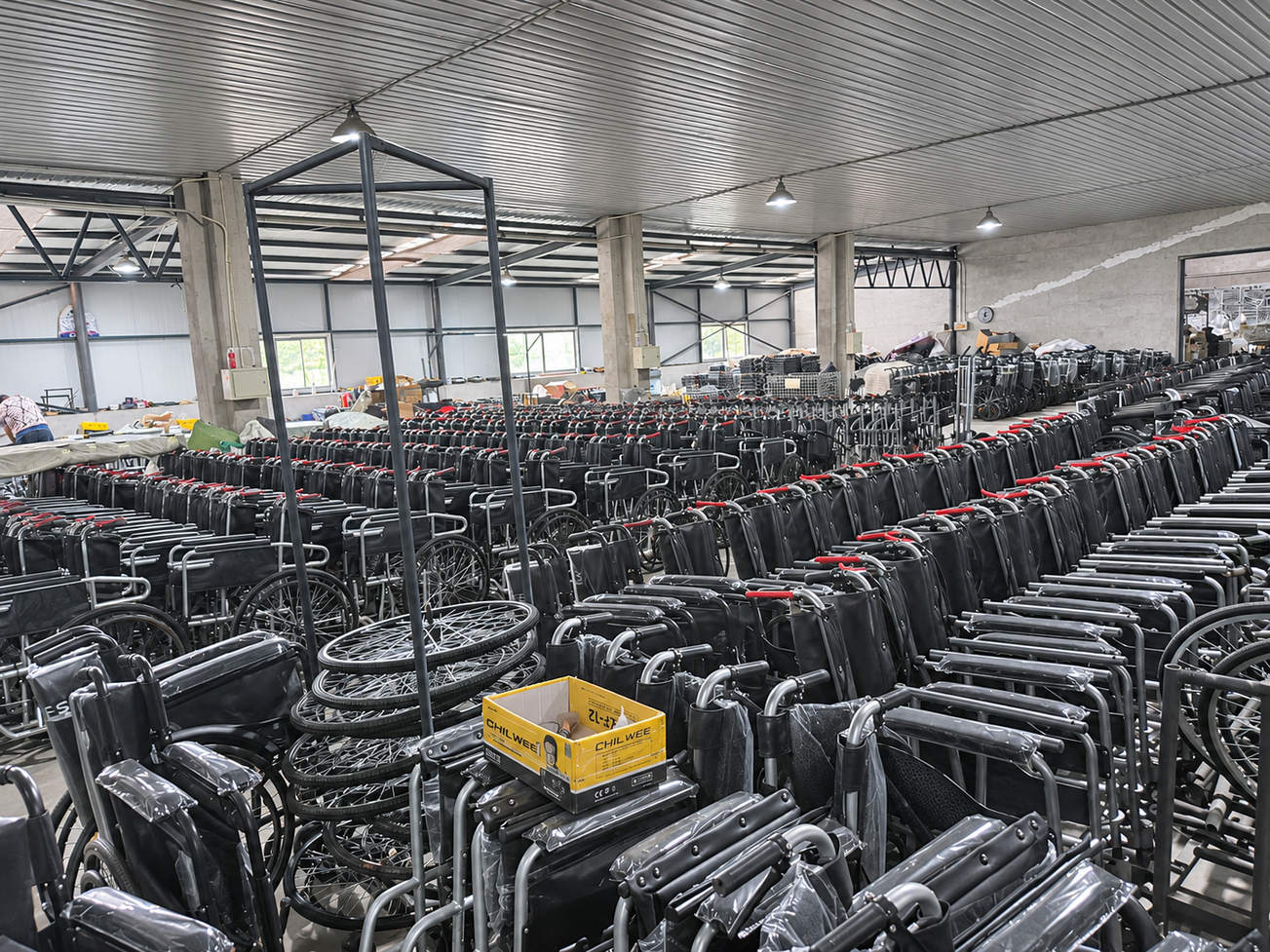
Custom wheelchair manufacturing for global markets takes more than adding a logo to a standard model. Buyers need a product configuration that fits their users, sales channel, destination-market requirements, and service plan. At Tianjin Kangli Medical, we work with international brands, wholesalers, and manufacturers on wheelchair OEM/ODM projects, helping turn product requirements into a defined specification for sampling and production.
The process works best when customization is treated as a series of documented decisions. Product type, dimensions, components, branding, packaging, instructions, and inspection expectations should be aligned before bulk production begins. This guide explains how to structure that process and what buyers should prepare at each stage.
How can I start an OEM partnership with your factory?
We recommend starting with an initial technical consultation to review your design specifications, target market, required functions, quantity, and customization needs.
Please contact our dedicated B2B team by email at Yukili90@tjkangli.com or chat with us directly on WhatsApp: +86 136 5207 7555.
WhatsApp:
Let’s build excellence together. Whether you need a quotation for a large-scale hospital project, want to develop a private-label product, or are exploring OEM/ODM opportunities for our 5-function medical bed series, our team is ready to support you from product selection and technical confirmation to production and delivery.
Visit www.klmedbed.com or contact us via WhatsApp to start your customized manufacturing project today.
In a wheelchair OEM project, the buyer sells a product under its own brand, while the manufacturing partner produces it to an agreed specification. The starting point may be an existing model with selected options, or a broader ODM project that involves additional design and engineering work.
Depending on the product and manufacturing capability, customization may cover:
- Product configuration: manual or powered model, frame style, and selected components.
- Fit and dimensions: seat width, upholstery, and other available size options.
- Appearance: frame color, fabric selection, logo placement, and model identification.
- Accessories: compatible options defined for the specific wheelchair.
- Packaging and documentation: carton artwork, labels, user instructions, and language versions.
- Quality planning: sample approval, inspection points, and change-control records.
Not every requested change is a simple customization. A logo or carton update is different from a change to the frame, braking system, wheels, battery, or other functional component. The more a change could affect product performance, user instructions, or verification evidence, the more carefully it should be assessed.
> A practical rule: Agree on the exact model and configuration first. Then define branding, packaging, and any technical changes against that approved product.
A useful OEM brief begins with the customer and use case—not a list of colors. A wheelchair intended for occasional assisted transfers may require a different configuration from one intended for independent mobility or frequent travel.
Before requesting a quotation, describe:
- Target users: the population and user needs the product is intended to serve.
- Use environment: home, healthcare facility, community, or another setting.
- Product category: manual wheelchair, powered wheelchair, or another defined type.
- Sales channel: medical distributors, retail, institutional tenders, or online sales.
- Destination markets: the countries or regions where the product will be sold.
- Commercial requirements: estimated order quantity, preferred launch timing, and packaging needs.
This context allows the manufacturer to identify relevant available models and clarify what needs further review. It also helps the brand avoid broad positioning claims that do not match the product's actual design or intended use.
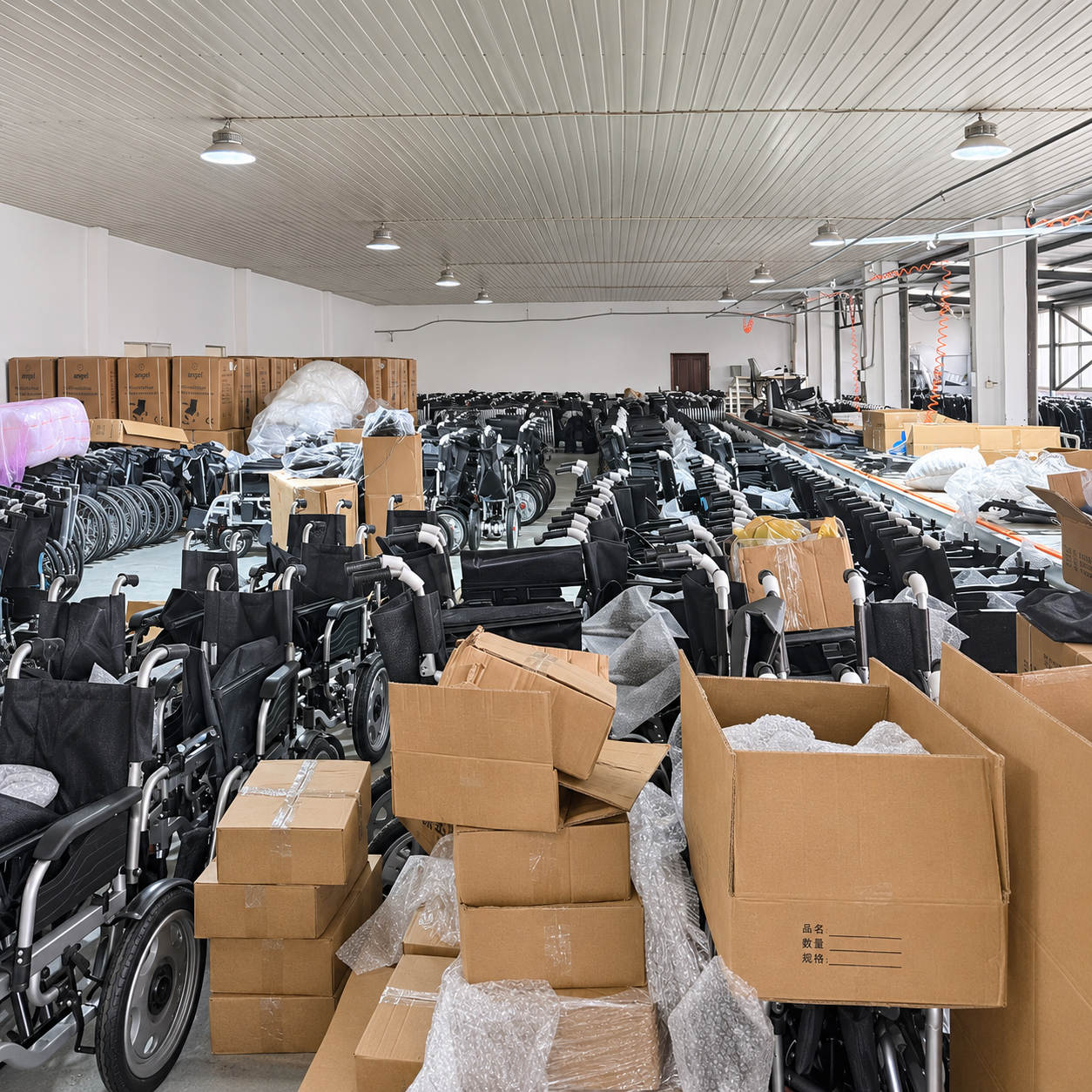
Replace vague requests such as "lightweight," "comfortable," or "for all users" with measurable questions. For example:
- Which chair-weight figure do you need, and what components should it include?
- What seat dimensions or size range are required?
- Is folding or compact storage important?
- Which accessories should be included or offered separately?
- What language and product information are needed?
- What evidence or documents must be reviewed before market entry?
Specific questions create clearer quotations and reduce avoidable sample revisions.
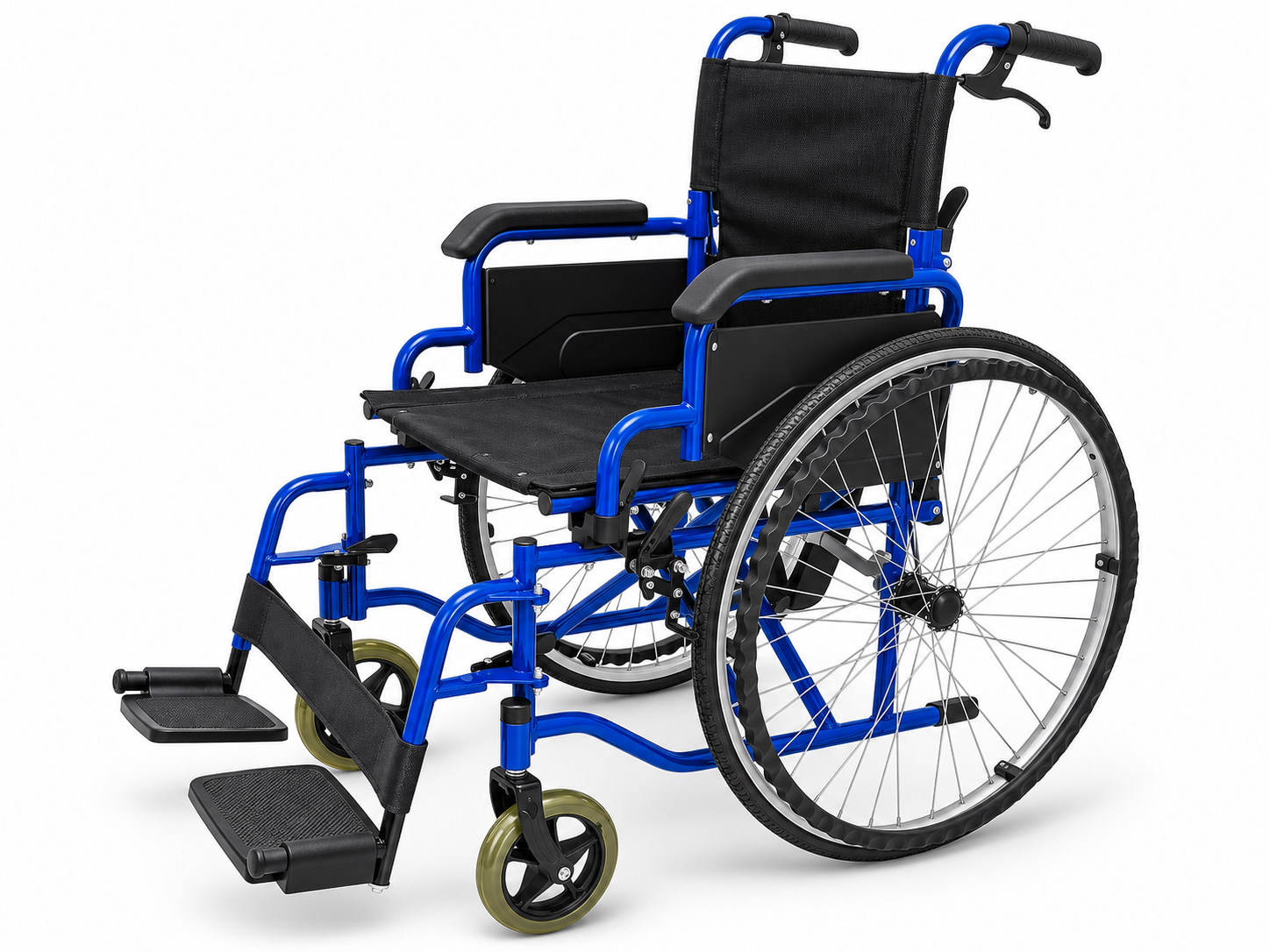
Once the use case is clear, select a starting model and create a configuration record. Kangli's wheelchair range includes products for OEM discussions; the available options depend on the selected model and should be confirmed with the manufacturer for the project. The company's published wheelchair-series page describes options such as frame color, seat fabric, seat width, and armrest configuration.
A configuration sheet should identify, at minimum:
| Specification area | Details to confirm |
|---|---|
| Product identity | Model name, SKU, revision, and product category |
| Seating | Available seat dimensions and upholstery selection |
| Frame and finish | Frame style, color, and finish options for that model |
| Components | Wheels, brakes, armrests, footrests, and other selected parts |
| Accessories | Included items, optional items, and model compatibility |
| Documentation | Instructions, labels, and required languages |
| Packaging | Carton configuration, artwork, markings, and pack contents |
The sheet becomes a shared reference for the buyer, manufacturer, quality team, and packaging team. It also helps ensure that the sample, quotation, artwork, and production order describe the same product.
Private-label wheelchair projects often include brand identity on the product and its packaging. Buyers should provide production-ready artwork and specify where and how the brand should appear.
Confirm:
- Logo file format and color
- Placement and approximate size
- Application method, subject to the model and factory capability
- Model name and SKU
- Carton design and shipping marks
- Manual cover, language, and revision
- Any brand-specific inserts or warranty materials
Review branding on a sample or clear production artwork proof. Do not approve a logo only from a verbal description. Check that marks are legible, positioned consistently, and compatible with the product's finish and cleaning instructions.
Branding is also a document-control issue. If the model changes after artwork approval, review whether the labels, manual, and packaging still accurately describe the product.

The sample is an opportunity to check whether the proposed configuration is understandable, usable for its intended purpose, and consistent with the agreed specification. It is not a replacement for any testing or regulatory review required for the market.
During sample review, compare the physical product with the configuration sheet. Inspect:
- Product identity and selected options
- Key dimensions and fit-related details
- Frame finish, upholstery, and visible workmanship
- Wheel, brake, armrest, and footrest configuration
- Folding or adjustment functions described in the instructions
- Logo, labels, manual, and packaging
- Any agreed accessories
Record comments using photographs and numbered observations. For each requested change, identify whether it is cosmetic, documentation-related, or potentially functional. Ask the supplier whether a revision requires a new sample, further evaluation, or updated documents.
For repeat orders, keep an identified reference sample or an equivalent controlled record. Document the model, configuration, approval date, and revision. This gives both parties a practical reference when comparing later production and reduces disagreement about what "the approved sample" means.
Sample approval should not be treated as blanket evidence that every regulatory, performance, or market requirement has been met. Those requirements depend on the exact product and destination market.
The brand owner, importer, and manufacturer may have different responsibilities depending on the market and commercial arrangement. Before launch, identify who will review applicable regulations, product classification, labeling, instructions, and required conformity evidence.
Request documents that match the specific model and configuration under consideration. Depending on the project, the buyer may need to review:
- Product specifications and configuration records
- User instructions and maintenance information
- Product labels and identification details
- Available test reports or declarations
- Quality and manufacturing information relevant to the agreement
- Records of approved changes
Do not assume that a document for one model, component set, or market automatically covers another. Confirm the document's scope and consult qualified regulatory professionals when needed.

A successful sample is only useful if bulk production matches the approved version. Before placing a larger order, agree how the manufacturer will identify production units, check the specified features, document nonconformities, and manage changes.
A practical quality plan should define:
1. The production reference: approved specification, sample, artwork, and document revision.
2. Inspection scope: which characteristics are checked and by whom.
3. Acceptance criteria: what counts as pass, fail, or a hold for review.
4. Issue handling: how findings are documented, corrected, and rechecked.
5. Change approvals: who must authorize substitutions or design changes.
6. Shipment release: which records or approvals are required before dispatch.
Changes to wheels, brakes, frame parts, upholstery, or other functional elements deserve particular attention. A substitute component may look similar but still affect the product configuration. Ask the manufacturer to explain the impact before approving the change, and update the relevant documents when required.
A wheelchair is more than the product leaving the assembly line. Packaging can affect storage, handling, transport protection, and the customer's first experience. Before finalizing a private-label order, confirm carton dimensions, protective materials, printed information, included accessories, and assembly or use instructions.
For distributor and institutional programs, also discuss:
- Spare-parts identification
- Maintenance instructions
- Product and carton labeling
- Warranty and service communication
- How product revisions will be identified
- How the distributor can report issues by model and order
These details help the buyer plan beyond the first shipment and create a more consistent experience for downstream customers.
A logo and carton design cannot resolve an unclear model specification. Finalize the product configuration first, then approve branding against it.
Terms such as "premium," "heavy duty," or "universal" can mean different things to different teams. Translate them into defined features, dimensions, use cases, or evidence requirements.
Confirm component and accessory compatibility for the exact wheelchair. Avoid advertising an option until the manufacturer has confirmed it for that configuration.
A late component or packaging change can create differences between the approved sample and shipment. Document the revision and obtain the required approvals.
A buyer's sample sign-off confirms the agreed sample configuration for the project. It does not, by itself, prove compliance with every destination-market requirement.

Kangli Medical works with overseas brands, wholesalers, and manufacturers on wheelchair sourcing and customization discussions. To help us assess a project efficiently, share:
- Your target market and customer group
- The intended use and preferred wheelchair category
- Desired dimensions and available model reference
- Branding, packaging, and language requirements
- Expected order quantity and target timing
- Documentation or inspection needs
Our team can then discuss model suitability, available customization options, sampling, and production planning. Final capabilities, lead times, minimum order quantities, and documentation should be confirmed for the specific project and configuration.
Ready to develop a private-label wheelchair for your market? Contact Tianjin Kangli Medical with your product brief, target market, and required configuration to begin an OEM discussion.
Depending on the model, options may include selected dimensions, upholstery, frame color, armrests, components, logo placement, labels, manuals, and packaging. Confirm every option for the exact product.
OEM generally means producing a product to the buyer's agreed specification and brand requirements. ODM may involve more design or development input from the manufacturer. Project scope varies, so define responsibilities in writing.
Sample approval is a useful way to confirm the agreed configuration, appearance, branding, and documentation. It does not replace required testing, regulatory review, or production inspection.
Share target market, intended users, product category, preferred dimensions, customization needs, packaging and language requirements, estimated quantity, and timing.
Changes may be possible, but the manufacturer should assess their effect on configuration, documentation, verification, cost, and schedule. Record approvals and update the controlled specification.
Responsibilities depend on the market and commercial arrangement. The brand owner or importer should identify applicable obligations and consult qualified regulatory professionals, while coordinating with the manufacturer for product-specific information.
Kangli Medical — Wheelchair Series — Published overview of Kangli wheelchair customization options.
Kangli Medical — Why Global Partners Choose Kangli for OEM Wheelchair Manufacturing — Company information on OEM manufacturing for international partners.
Kangli Medical — Private Label Wheelchairs: What Can Medical Brands Customize Before Production? — Further discussion of private-label customization and pre-production planning.
Kangli Medical — The Ultimate Aluminum Alloy Lightweight Electric Wheelchair OEM Guide — Product-specific OEM discussion for an aluminum-alloy electric wheelchair.
Editorial note: This article is general B2B procurement guidance. Customization availability, product claims, regulatory documents, lead times, and order terms should be confirmed with Kangli Medical for the selected model and destination market.


