

Views: 444 Author: kangli Publish Time: 2026-11-12 Origin: Site


Content Menu
● 1. The Clinical Challenge at Tianjin Airport Hospital
>> The Client's Core Requirements
● 2. Engineering the Solution: KL Medbed's OEM Approach
>> Material Mastery: Why We Specified Premium SUS304
>> Advanced Manufacturing Techniques
● 3. Delivery and Installation: A Flawless Execution
>> Overcoming Logistical Hurdles
>> The Client's Feedback (User Review)
● 4. Deep Dive: The ROI of Medical-Grade Stainless Steel in Infection Control
>> How Stainless Steel Mitigates HAIs
● 5. Material Comparison: SUS304 vs. SUS316 for Medical Furniture
● 6. Step-by-Step OEM Procurement Guide for Foreign Distributors
>> Step 1: Initial Needs Assessment & Engineering Drawings
>> Step 2: 3D CAD Modeling & Prototyping
>> Step 3: Material Verification & Certification
>> Step 4: Mass Production & In-Line Quality Control (QC)
>> Step 5: Export Packaging & Container Loading
● 7. Why Global Brands Choose KL Medbed for OEM Manufacturing
● Elevate Your Medical Furniture Portfolio Today
● Frequently Asked Questions (FAQ)
>> Q1: What is the standard Minimum Order Quantity (MOQ) for OEM medical stainless steel cabinets?
>> Q2: Can you customize the interior layout of the cabinets for specific medical departments?
>> Q3: How do you ensure the stainless steel does not rust during ocean freight shipping?
>> Q4: Do your products carry international certifications required for import?
>> Q5: How long does the OEM prototyping and mass production process take?
>> Meta Description / Article Abstract
How can I start an OEM partnership with your factory?
We recommend an initial technical consultation to review your design specifications. Please contact our dedicated B2B team at [Yukili90@tjkangli.com] to discuss your product requirements.
Let’s build excellence together. Whether you need a quote for a large-scale project or want to explore private labeling opportunities for our 5-function medical bed series, we are here to support your success. Click here www.klmedbed.com to connect with our B2B team and start your customized manufacturing journey today.
When outfitting a modern healthcare facility, the choice of clinical storage solutions directly impacts operational efficiency and infection control. For international brand owners, wholesale distributors, and medical procurement officers, finding a reliable OEM medical furniture manufacturer capable of delivering customized, hospital-grade equipment is a critical supply chain challenge.
In this comprehensive industry analysis, we explore a recent landmark project by Tianjin Kangli Medical Equipment Co., Ltd. (KL Medbed): the successful customized manufacturing, delivery, and installation of medical stainless steel cabinets for the newly expanded Tianjin Airport Hospital.
Drawing from this real-world success, this article provides global B2B buyers with expert insights into material selection, infection-control engineering, and the step-by-step OEM procurement process for hospital furniture.
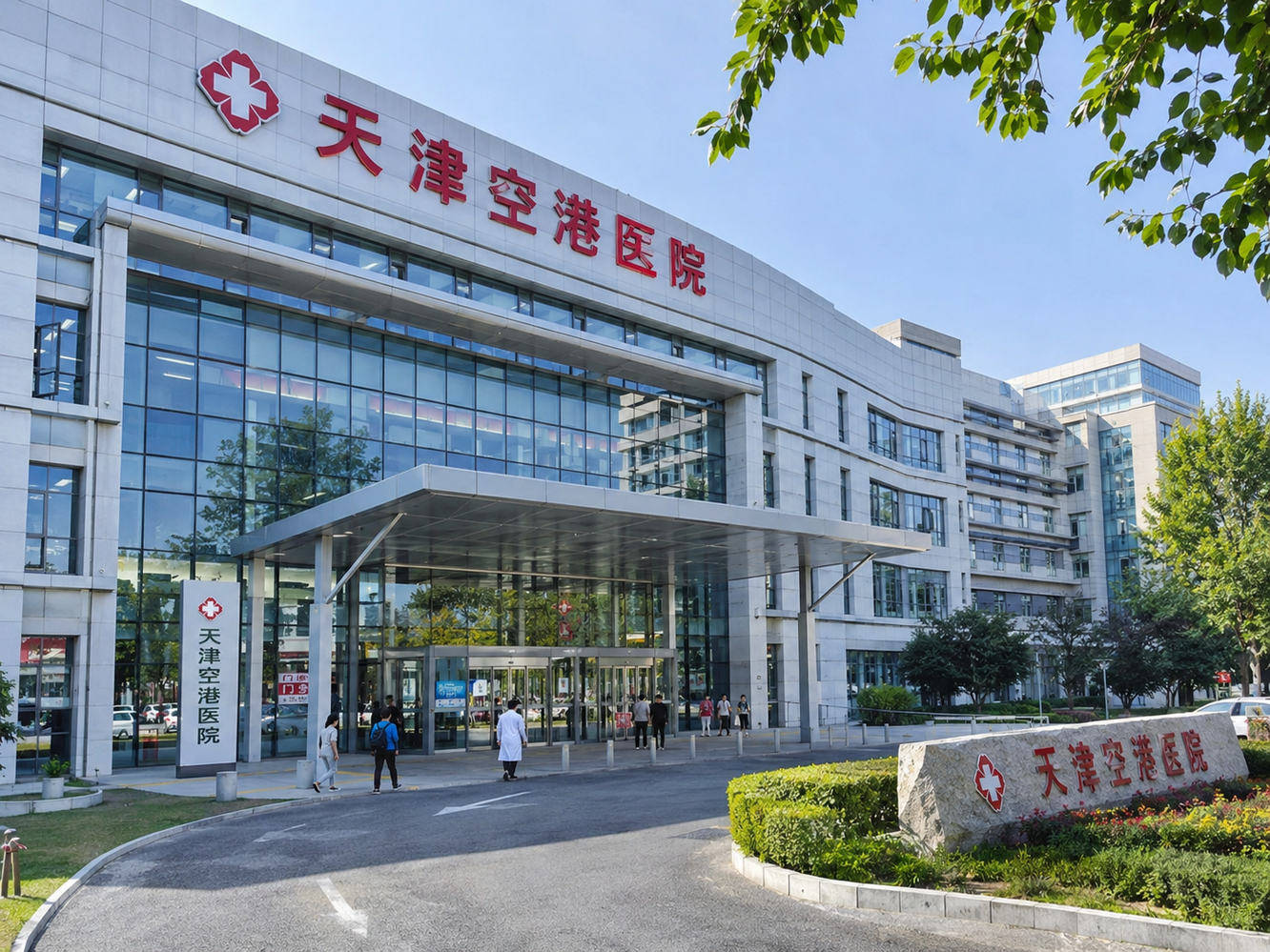
Tianjin Airport Hospital is a high-traffic, modern medical center requiring rigorous adherence to sterile environment protocols. During their recent facility expansion, the procurement committee faced a common but critical challenge: sourcing robust, hygienic, and perfectly dimensioned storage for their Central Sterile Supply Department (CSSD) and Operating Rooms (OR).
The hospital's requirements were stringent, demanding more than standard off-the-shelf commercial furniture:
Absolute Sterility: Storage units had to resist harsh chemical disinfectants (like chlorine and quaternary ammonium compounds) without corroding.
Custom Dimensions: Cabinets needed to fit flush into pre-built architectural alcoves to prevent dust accumulation in dead spaces.
Heavy-Duty Load Capacity: Shelving had to support the immense weight of surgical instrument trays and heavy IV fluid boxes without bowing.
Rapid Deployment: The hospital had a strict opening deadline, requiring zero delays in manufacturing and delivery.
As a veteran hospital furniture supplier established in 1997, Tianjin Kangli Medical Equipment approached this project with a highly structured OEM/ODM framework. Our engineering team collaborated directly with the hospital's infection control and facility management teams to design a tailored solution.
For medical environments, not all stainless steel is created equal. We selected premium Austenitic SUS304 Stainless Steel for the entire cabinet fleet.
Why 304 Stainless Steel?
High Chromium & Nickel Content: Provides an exceptional passive oxidation layer, making it highly resistant to rust and medical-grade disinfectants.
Non-Porous Surface: Prevents the microscopic harboring of pathogens (such as MRSA or C. diff), allowing for rapid and effective terminal cleaning.
Structural Integrity: Maintains its shape and load-bearing capacity even under constant, daily abuse in a fast-paced hospital ward.
To meet the hospital's exacting standards, our factory utilized precision fabrication methods:
CNC Laser Cutting: Ensured millimeter-perfect dimensions so cabinets fit seamlessly into the hospital's architectural alcoves.
Seamless Argon Arc Welding: Instead of using mechanical fasteners (screws/rivets) which create crevices for bacteria to hide, we utilized seamless welding. The joints were then electrolytically polished to create a perfectly smooth, continuous surface.
Double-Wall Door Construction: To prevent the hollow, metallic "clang" that disrupts patient rest, we engineered double-walled doors filled with sound-dampening honeycomb cores.
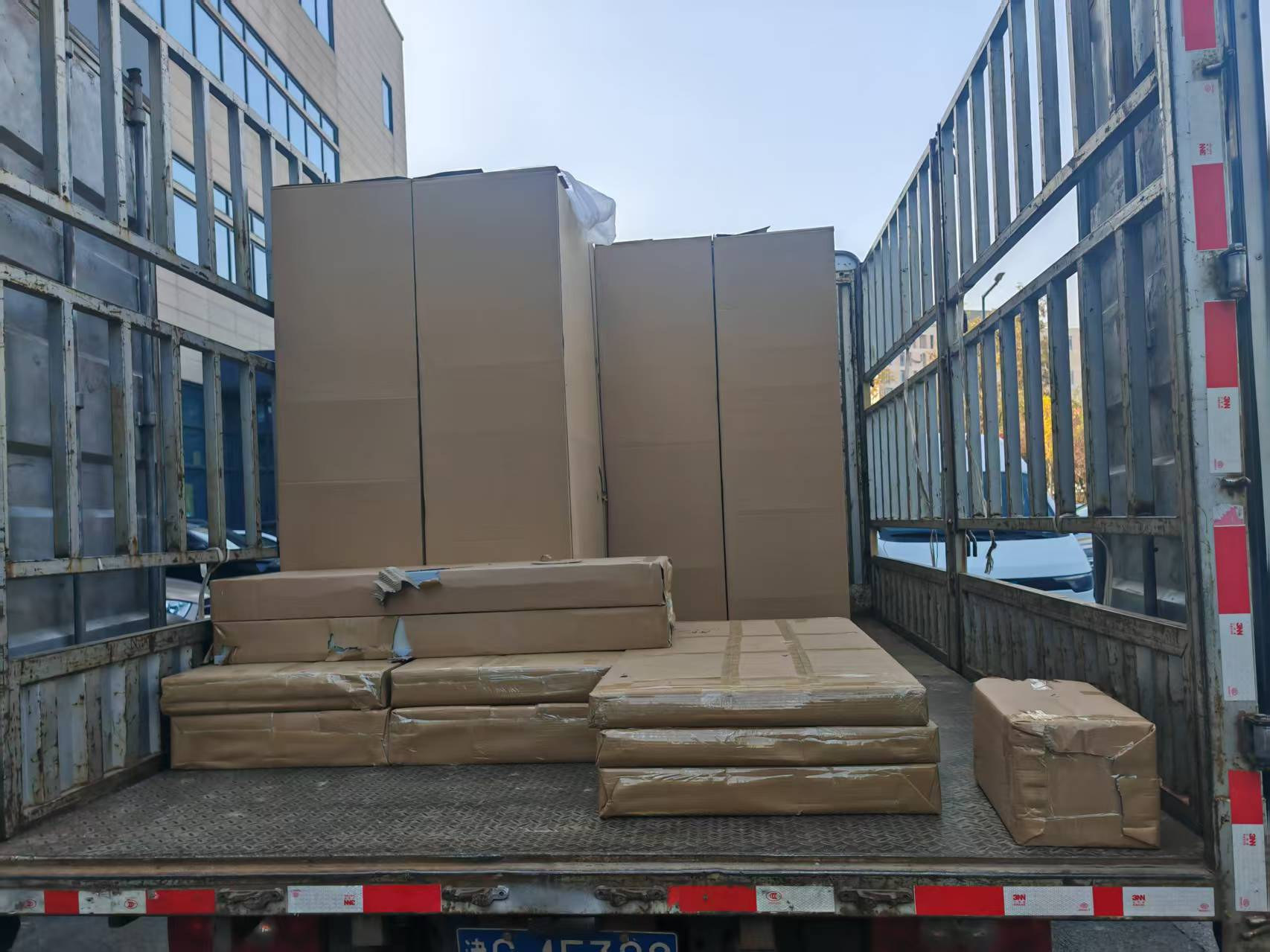
The true test of an OEM medical furniture manufacturer is the ability to deliver on time and defect-free.
Shipping fully assembled stainless steel cabinets requires specialized logistical planning to prevent dents or structural warping during transit. For the Tianjin Airport Hospital project, our logistics team implemented:
Custom Crating: Each cabinet was suspended in custom wooden crating with high-density foam corner protectors.
Anti-Scratch Film: All stainless steel surfaces were covered in a factory-applied, heavy-duty protective film that was only removed after final installation in the hospital.
The success of the project was echoed by the hospital's management team. The Head of the CSSD Department provided the following feedback post-installation:
"The quality of the stainless steel cabinets provided by Kangli Medical exceeded our expectations. Not only did they accommodate our complex custom size requirements, but the seamless corners have cut our daily wipe-down time in half. The delivery was exactly on schedule, allowing us to pass our health department inspection without a hitch."
— Facility Procurement Director, Tianjin Airport Hospital
For foreign distributors pitching to hospital networks, understanding the clinical data behind material choices is crucial. Healthcare-Associated Infections (HAIs) represent a massive financial and clinical burden globally.
According to the World Health Organization (WHO), out of every 100 hospitalized patients at any given time, 7 in developed and 15 in developing countries will acquire at least one HAI.
Bacterial Survival Rates: Studies show that pathogens survive for significantly shorter periods on polished stainless steel compared to porous plastics or laminated wood.
Chemical Compatibility: Hospitals are increasingly using vaporized hydrogen peroxide (VHP) and aggressive bleach solutions for terminal cleaning. Standard commercial furniture degrades rapidly under these chemicals; medical stainless steel does not.
By investing in premium stainless steel storage, hospitals drastically reduce long-term replacement costs and mitigate the severe financial liabilities associated with patient infections.
Global B2B buyers frequently ask whether they should specify 304 or 316 stainless steel for their OEM orders. As an expert hospital furniture supplier, we recommend using the following comparative data to guide your purchasing decisions.
| Feature / Specification | SUS304 (Type 304) | SUS316 (Type 316) |
| Alloy Composition | 18% Chromium, 8% Nickel | 16% Chromium, 10% Nickel, 2% Molybdenum |
| Corrosion Resistance | Excellent (Standard Medical Grade) | Superior (Surgical & Marine Grade) |
| Cost Profile | Highly Cost-Effective | 20% - 30% Higher Cost |
| Best Clinical Applications | General wards, CSSD storage, pharmacy cabinets, scrub sinks, instrument trolleys. | MRI rooms, highly corrosive chemical storage, saline-heavy environments, surgical implants. |
| OEM Recommendation | The Industry Standard. Meets 95% of hospital furniture requirements perfectly. | Use only for highly specialized, specific environmental use-cases to avoid unnecessary costs. |
 |  |
If you are a global brand owner or wholesaler looking to import custom medical stainless steel cabinets, partnering with a Chinese OEM factory can yield massive profit margins—provided you follow a structured procurement workflow.
Here is the exact 5-step process KL Medbed uses to onboard international B2B clients:
Do not simply ask for a "cabinet." Provide your factory with detailed specifications:
Overall dimensions (H x W x D).
Number of adjustable shelves required.
Door type (Glass viewing panels, solid sliding doors, or hinged doors).
Leg type (Locking heavy-duty casters or adjustable leveling feet).
Before cutting any steel, our engineering team generates comprehensive 3D CAD models for your approval. For bulk wholesale orders, we highly recommend commissioning a single physical prototype. This allows your QA team to inspect the welding quality, hinge smoothness, and material finish before authorizing mass production.
Demand transparency. Ensure your manufacturer provides raw material certificates proving the steel is genuine SUS304. Furthermore, ensure the factory operates under ISO 13485 (Medical Device Quality Management Systems) to guarantee international compliance.
During production, strict QC checkpoints must be enforced:
Weld Inspection: Checking for porosity or burn-through.
Surface Polish Check: Ensuring uniform grain direction (typically a #4 brushed finish) which hides fingerprints and prevents light glare in bright operating rooms.
Stainless steel is heavy but susceptible to denting if dropped. We utilize export-grade wooden crates, strap the units securely to heat-treated pallets, and carefully calculate container loading plans (CBM) to maximize your freight efficiency and reduce per-unit shipping costs.
The success at Tianjin Airport Hospital is not an isolated incident; it is the standard operating procedure at Tianjin Kangli Medical Equipment.
For overseas distributors, navigating language barriers, quality control risks, and shipping logistics can be daunting. By partnering with an established manufacturer with over 27 years of dedicated medical furniture experience, you eliminate supply chain friction.
Our OEM Value Proposition:
Factory-Direct Pricing: Eliminate the middleman trading companies and increase your regional profit margins.
Scalable Production: Whether you need 10 custom cabinets for a boutique clinic or 1,000 units for a national hospital network rollout, our automated production lines scale to your needs.
Comprehensive Portfolio: Beyond stainless steel, we are a leading manufacturer of electric ICU beds, nursing beds, emergency crash carts, and patient transfer stretchers.
The global demand for high-quality, infection-resistant healthcare furniture is accelerating. Do not let subpar manufacturing compromise your brand's reputation or your clients' patient safety.
If you are a global wholesaler, medical equipment brand owner, or procurement agency seeking a reliable OEM partner in China, Tianjin Kangli Medical Equipment is ready to build your next success story.
Take the Next Step:Explore our full production capabilities and request a custom OEM quotation today. Visit our official website at www.klmedbed.com or contact our international sales engineering team to discuss your specific hospital furniture requirements.
While we specialize in bulk wholesale, we understand that hospital projects vary in size. Our standard MOQ for custom stainless steel cabinets is typically 10 units per SKU. However, for complete hospital outfitting projects that include beds and carts, we offer flexible, mixed-container terms.
Yes. We routinely customize interiors based on department needs. For example, we can install heavy-duty pull-out sliding tracks for endoscopy storage, slanted shelves for catheter organization, or secure narcotic lockboxes within the main cabinet for pharmacy use.
We take export packaging seriously. Every cabinet is thoroughly cleaned to remove manufacturing iron dust, wrapped in protective film, and sealed in a moisture-barrier bag with industrial desiccants before being crated. This guarantees the product arrives at your port in pristine condition.
Yes. Tianjin Kangli Medical Equipment operates under strict ISO 13485 and ISO 9001 quality management systems. Our medical furniture products carry CE marking, and we can provide the necessary technical dossiers to assist with your local FDA or Ministry of Health registrations.
Typically, after finalizing the CAD drawings, a physical prototype can be produced within 10 to 14 days. Once the prototype is approved, a mass production run for a standard 40HQ container of custom stainless steel furniture takes approximately 25 to 35 days, depending on the complexity of the design.
World Health Organization (WHO). (2022). Health Care-Associated Infections Fact Sheet. Data regarding the prevalence and impact of HAIs in hospital environments. Available at: https://www.who.int/news-room/fact-sheets/detail/health-care-associated-infections
Centers for Disease Control and Prevention (CDC). (2019). Guidelines for Environmental Infection Control in Health-Care Facilities. Recommendations on surface materials and cleaning protocols. Available at: https://www.cdc.gov/infectioncontrol/guidelines/environmental/index.html
International Organization for Standardization (ISO). (2016). ISO 13485:2016 Medical devices — Quality management systems — Requirements for regulatory purposes. Available at: https://www.iso.org/standard/59752.html
ASM International (The Materials Information Society). Properties and Selection: Irons, Steels, and High-Performance Alloys. Metallurgical data comparing austenitic stainless steels 304 and 316. Available at: https://www.asminternational.org


