

Views: 663 Author: kangli Publish Time: 2026-10-30 Origin: Site


Content Menu
● Why a Bangladesh Buyer Visits a China Hospital Bed Manufacturer
● Inside a Hospital Bed Factory: What Buyers Should Review
>> 1. Product range and intended use
>> 2. Frame, finish, and components
>> 3. Assembly and in-process inspection
>> 4. Packaging and shipment preparation
● Hospital Bed OEM Services: From Buyer Brief to Private-Label Product
>> A practical OEM development sequence
● Quality and Safety: Verify the Standard for the Exact Product
● What Overseas Distributors Should Prepare Before a Factory Visit
● From Factory Evaluation to a Long-Term Supply Partnership
● Why Work with Tianjin Kangli Medical?
>> 1. Can Tianjin Kangli Medical provide OEM hospital beds for overseas brands?
>> 2. What should a Bangladesh buyer check during a hospital bed factory visit?
>> 3. Does a factory visit prove that a hospital bed is certified?
>> 4. Which hospital bed standard should buyers ask about?
>> 5. What information should I provide for an OEM quotation?
>>
6. Can branding and packaging be customized?
How can I start an OEM partnership with your factory?
We recommend starting with an initial technical consultation to review your design specifications, target market, required functions, quantity, and customization needs.
Please contact our dedicated B2B team by email at Yukili90@tjkangli.com or chat with us directly on WhatsApp: +86 136 5207 7555.
WhatsApp:
Let’s build excellence together. Whether you need a quotation for a large-scale hospital project, want to develop a private-label product, or are exploring OEM/ODM opportunities for our 5-function medical bed series, our team is ready to support you from product selection and technical confirmation to production and delivery.
Visit www.klmedbed.com or contact us via WhatsApp to start your customized manufacturing project today.

What should an overseas buyer look for when visiting a hospital bed manufacturer in China? A factory visit is an opportunity to evaluate more than a product sample. It allows a Bangladesh buyer to assess manufacturing capability, discuss local requirements, review quality-control processes, and determine whether an OEM partnership can support the buyer's brand and long-term market plans.
At Tianjin Kangli Medical, we welcome conversations with international distributors, wholesalers, healthcare brands, and manufacturers seeking hospital bed OEM services in China. In this article, we explain what a productive buyer visit can cover—from product configuration and customization to export documentation and pre-shipment checks—so prospective partners can make a more informed decision.
> Editorial note: Add the actual visit date, the buyer's company name if approved, and verified visit photographs before publication. The descriptions below outline a professional factory-visit process and should be adjusted to match the visit that took place.
For an overseas buyer, choosing a supplier is not simply a matter of comparing prices in a quotation sheet. A hospital bed must meet the expectations of the intended users, the requirements of the target market, and the buyer's commercial goals.
A factory visit helps the buyer explore questions that are difficult to answer through product photos alone:
- What bed models and configurations can the factory produce?
- Which components can be customized for the buyer's brand?
- How are incoming materials and finished products inspected?
- Can the supplier provide the technical files and export documents required for evaluation?
- How will samples, production schedules, packaging, and after-sales support be handled?
For a Bangladesh distributor or healthcare supplier, these discussions can clarify whether a product is suitable for the intended customer segment—such as general wards, clinics, private hospitals, or institutional projects. The right product specification depends on the buyer's brief and local requirements; it should not be assumed from a product name alone.
A well-prepared visit turns a general supplier introduction into a practical sourcing discussion.

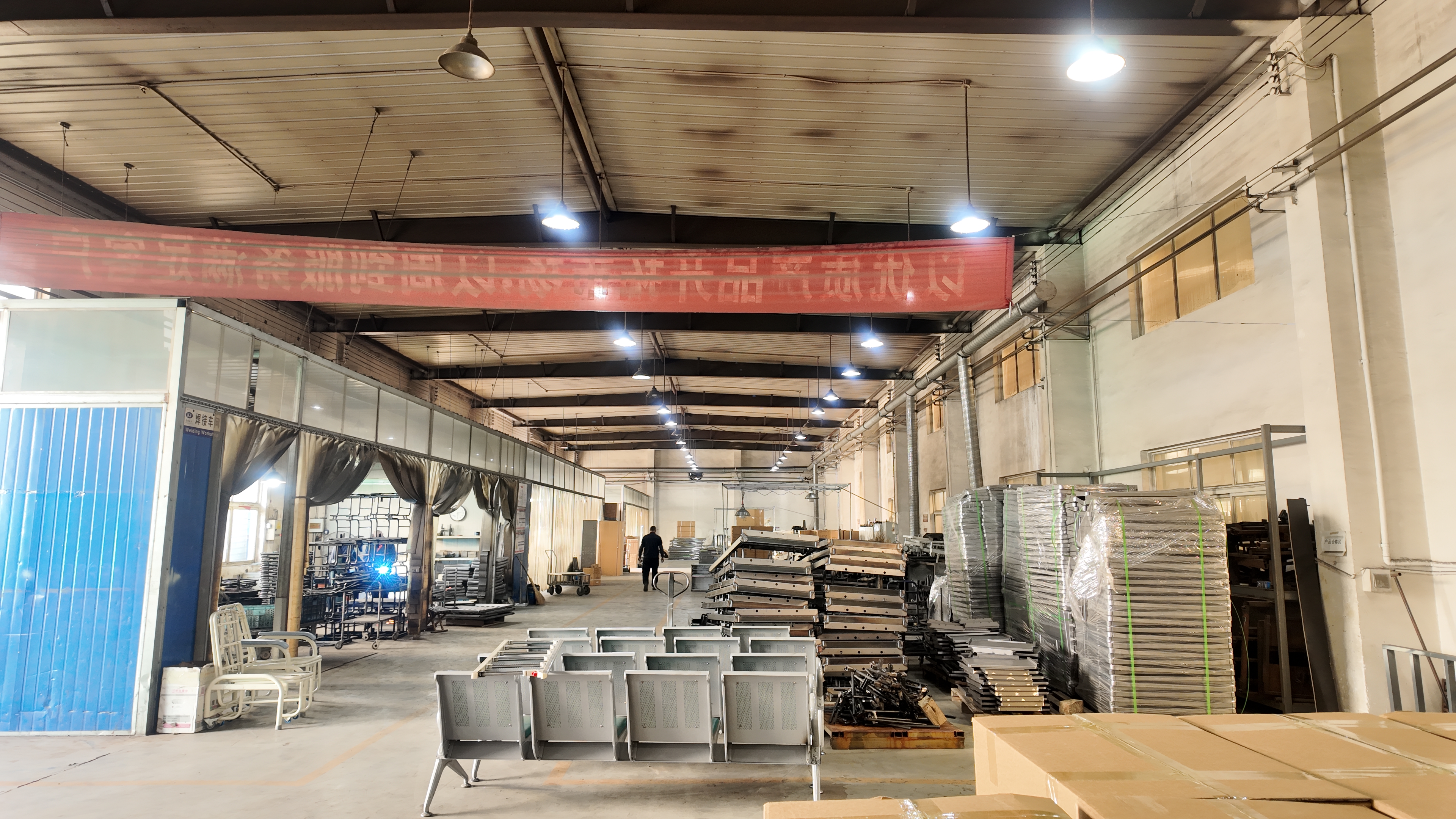
A factory tour is most useful when it follows the product's journey from components to a finished, packed bed. Buyers should ask for a clear explanation of the manufacturing and inspection steps, rather than relying only on a showroom display.
Start by reviewing the bed models relevant to your market. These may include manual or electrically operated options, depending on the supplier's current range and the buyer's requirements. Confirm the intended use, available adjustments, side-rail design, caster type, accessories, and mattress dimensions for each configuration.
Do not compare products using labels such as "standard," "luxury," or "ICU" alone. Ask for a model-specific specification sheet and identify exactly what is included in the quoted configuration.
Ask how the frame is constructed and finished, and whether the supplier can identify the main components used in the proposed model. For electrically operated beds, discuss the motor and control system, power requirements, cables, and any relevant instructions or technical documents.
Where possible, inspect a sample unit in person. Check that moving parts operate as described, the bed is stable on its casters, the rails function correctly, and the finish is consistent. These observations are part of buyer due diligence; they do not replace formal testing or regulatory review.
Ask which checks are performed during assembly and how defects are recorded and handled. A useful supplier discussion should clarify the inspection stages, who is responsible for sign-off, and what happens if a component or finished product does not meet the agreed specification.
Buyers can request examples of inspection records or quality documents relevant to the product, subject to availability and the supplier's documentation process. Clear, verifiable records are more useful than broad claims about quality.
Packaging deserves attention during the factory visit, particularly for products shipped over long distances. Confirm how the bed is protected, whether components are packed together or separately, what product identification appears on cartons, and whether labels or manuals can be prepared for the buyer's market.
Discuss the shipping plan early. The final packaging, carton dimensions, loading arrangement, and required documents should be confirmed against the actual order and agreed delivery terms—not assumed from a sample photograph.

An OEM hospital bed manufacturer should be able to discuss the buyer's requirements systematically. OEM does not mean that every feature is automatically available. It means the buyer and manufacturer define the product, brand presentation, and commercial conditions together before production.
At Kangli Medical, OEM discussions for overseas partners can be organized around the following areas, subject to technical review and order agreement:
| OEM discussion area | Questions to confirm |
|---|---|
| Product configuration | Which model, adjustments, accessories, and options are required? |
| Branding | Can approved logos, labels, or packaging artwork be incorporated? |
| Documentation | Which manuals, specifications, declarations, and product records are available? |
| Packaging | What carton, protection, labeling, and language requirements apply? |
| Order planning | What are the sample process, production schedule, and order conditions? |
| After-sales preparation | What spare parts, troubleshooting guidance, and support arrangements can be agreed? |
1. Share the target market and customer profile. Explain whether you supply hospitals, clinics, dealers, projects, or another channel.
2. Choose a baseline model. Review the technical specification and identify the features that matter to your customers.
3. Confirm branding and packaging requirements. Provide approved artwork and specify labeling languages and packaging expectations.
4. Review a sample or reference configuration. Record any changes and obtain written confirmation of the final specification.
5. Agree on quality checks and documentation. Define the inspection points, acceptance criteria, and documents required before shipment.
6. Confirm the commercial and delivery terms. Clarify quantity, price validity, production lead time, payment arrangements, and shipping responsibilities in writing.
This sequence helps reduce avoidable misunderstandings. It also creates a shared reference point for the buyer, factory, and logistics partners.
Hospital beds are not all regulated or tested in the same way. Requirements may depend on the product type, electrical functions, intended environment, destination market, and the buyer's contractual obligations.
For adult medical beds, IEC 80601-2-52:2026 is listed by ISO as a standard addressing basic safety and essential performance. ISO also lists IEC 60601-2-52:2009 as an earlier edition for adult medical beds. Buyers should check which edition, amendments, product scope, and conformity evidence apply to the specific model and market. A reference to a standard is not, by itself, proof that a particular product has been tested or certified to it.
Before placing an order, overseas buyers should:
- Request the product's applicable technical documents and conformity evidence.
- Check whether documents refer to the exact model and configuration being quoted.
- Confirm the import, registration, labeling, and purchasing requirements with the relevant local authorities or qualified regulatory advisers.
- Agree in writing on the inspection method and acceptance criteria for the order.
- Avoid relying on unsupported marketing statements about certifications or regulatory approval.
For Bangladesh-bound orders, buyers should independently confirm current local requirements before importing or marketing a medical device. Requirements can vary by product category and intended use, and they may change. The buyer and its local advisers should verify the applicable rules for the specific product and transaction.

A visit is more productive when the buyer arrives with a clear sourcing brief. Before traveling—or scheduling a video meeting—prepare the following:
- Target market: Bangladesh, another market, or multiple countries.
- Customer type: Hospitals, clinics, dealers, project buyers, or private-label customers.
- Product needs: Bed type, functions, accessories, dimensions, and preferred configuration.
- Brand requirements: Logo, carton design, manual language, and product identification.
- Commercial plan: Estimated order quantity, sampling expectations, and target launch timeline.
- Compliance questions: Required documents, labeling, testing evidence, and local approval checks.
- Service expectations: Spare parts, warranty terms, training materials, and support channels.
The more specific the brief, the easier it is to compare suppliers on the same basis. If the buyer is evaluating several manufacturers, use one specification checklist for each. This makes differences in product configuration and quoted scope easier to identify.
The value of a factory visit continues after the tour. Buyers should document open questions, request written answers, and compare the final offer against the specification discussed during the visit.
A simple supplier-evaluation scorecard can include:
| Evaluation point | What to record |
|---|---|
| Product fit | Does the model meet the intended clinical and commercial use? |
| Specification clarity | Are included features and exclusions listed clearly? |
| Quality process | Can the supplier explain inspection and nonconformance handling? |
| OEM readiness | Are branding, packaging, and document requirements understood? |
| Communication | Are questions answered clearly and consistently? |
| Order readiness | Are sample, schedule, packing, and delivery terms documented? |
Do not treat a factory tour as a substitute for sampling, document review, or contractual controls. Instead, use it to decide what needs to be verified next. A strong supplier relationship depends on clear specifications, realistic expectations, transparent communication, and follow-through.

Tianjin Kangli Medical focuses on medical equipment manufacturing, including medical beds and related products. For international brands, wholesalers, distributors, and manufacturers, the first step is a structured discussion about the intended product, target market, branding requirements, and documentation needs.
Our goal in an OEM conversation is to understand the buyer's business—not simply to send a catalogue. We encourage potential partners to share their product brief, ask detailed questions, and confirm important specifications in writing before moving toward sampling or an order.
If you are sourcing hospital beds from China for Bangladesh or another market, contact Tianjin Kangli Medical to discuss your product requirements and OEM project. Share the bed type, target configuration, branding needs, estimated quantity, and destination market so our team can respond with a more relevant proposal.
OEM requirements should be discussed model by model. Buyers can share their target configuration, branding, packaging, and documentation needs for technical and commercial review.
Review the product specification, components, assembly and inspection process, packaging, available documents, OEM options, and proposed order terms. Verify local import and regulatory requirements independently.
No. A visit can help evaluate the supplier and product, but it does not replace model-specific testing records, conformity evidence, or regulatory checks.
Ask which safety and performance standards apply to the exact model and destination market. ISO lists IEC 80601-2-52:2026 for adult medical beds; buyers should confirm scope and applicable evidence for the product being purchased.
Provide your destination market, intended customer, preferred bed type and configuration, branding and packaging requirements, estimated quantity, required documents, and target schedule.
Customization should be confirmed for the selected model and order. Share approved logo files, language needs, label details, and packaging expectations so the factory can review feasibility.
3. [Tianjin Kangli Medical — company information on LinkedIn]
4. [Tianjin Kangli Medical Appliance Co., Ltd. — supplier profile]
---


