
Views: 220 Author: klmedbed Publish Time: 2026-05-22 Origin: Site


Content Menu
● Material and construction: corrosion resistance and cleaning
● Design and ergonomics: workflow-first decisions
● Regulatory and compliance considerations
● Practical cleaning and maintenance steps [unique added value]
● Sustainability and materials lifecycle
● FAQ
Choosing between a medical trolley vs stainless steel cart is a critical decision for hospitals, clinics, and labs that need the right balance of durability, sterilizability, and ergonomics — and as an experienced OEM partner for overseas brands, Tianjin Kangli Medical Appliance Co., Ltd. (Kangli) builds both solutions to meet strict clinical and regulatory needs. This article compares both product families, highlights practical selection criteria, adds industry insights and case examples, and shows how Kangli's OEM capabilities can deliver tailored, compliant carts for global buyers.
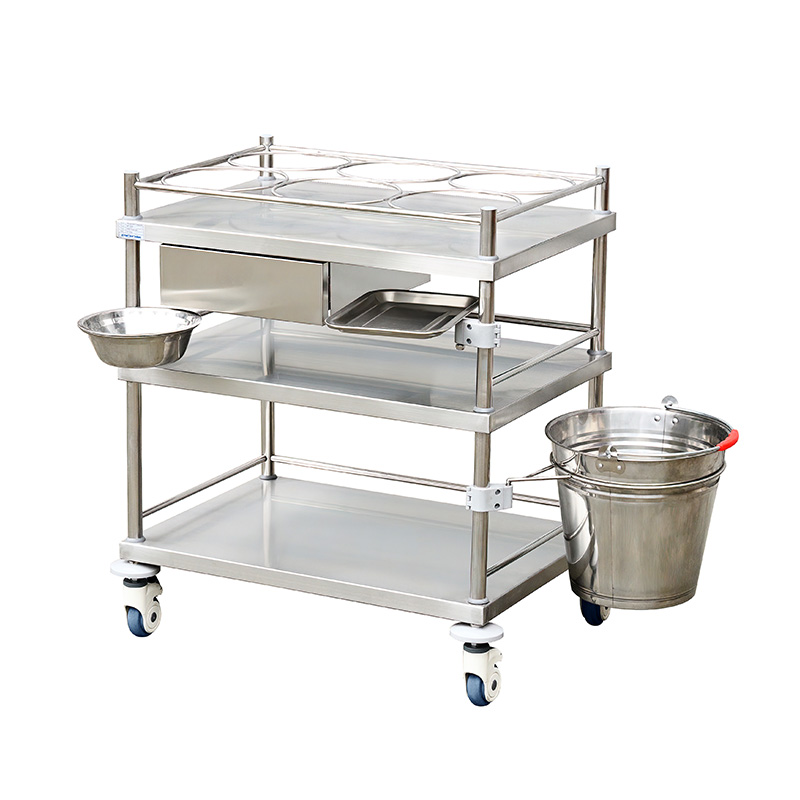
- Clear choice-driven tradeoffs affect infection control, workflow, and lifecycle cost.
- OEM selection influences compliance, customization, and time-to-market.
- This guide provides actionable evaluation points clinicians, procurement teams, and distributors can use.
Quick summary table — At-a-glance differences
| Feature | Medical Trolley | Stainless Steel Cart |
|---|---|---|
| Typical purpose | Clinical procedures, medication delivery, bedside use | Transport, instrument staging, sterile-room use |
| Material | Often mixed (plastic components + metal frame) | Predominantly 304/316 stainless steel |
| Sterilization | Wipeable; some models autoclavable parts | Highly autoclavable and corrosion resistant |
| Mobility | Lightweight, often with brakes and shock-absorbing casters | Heavier, built for load and durability |
| Customization | High — drawers, trays, integrated devices | High — welded cabinets, custom shelving |
| Typical buyers | Wards, clinics, ambulatory care | ORs, labs, sterile processing, heavy use environments |
- If you're comparing by clinical function, focus on ergonomics and cleaning.
- If you're comparing by procurement (OEM or private-label), focus on manufacturing capability, certifications, and MOQ.
- Below we drill into materials, standards, design features, workflows, OEM advantages, case study examples, and practical selection steps.
- Stainless steel carts typically use 304 or 316 stainless steel; 316 is preferred where chloride exposure or heavy cleaning agents are used.
- Medical trolleys often combine polymer surfaces and aluminum or steel frames, offering lighter weight and noise reduction.
- For infection control, seamless welds, rounded edges, and removable trays reduce crevices that harbor pathogens.
- Consider height adjustability, drawer organization, and locking mechanisms for medications.
- Casters matter: choose 3–5 inch medical-grade casters with direction locks for predictable movement.
- Cable-management and modular accessories (IV poles, power modules) make trolleys more clinician-friendly.
- Hospitals require products that meet local and international guidelines (e.g., IEC, ISO 13485 for manufacturer QMS).
- OEM manufacturers should support technical documentation for CE marking, FDA submissions, or local registration when needed.
- Verify material data sheets and surface finish specs (Ra values) for cleaning validation.
New section — Lifecycle cost & procurement calculus [unique added value]
- Initial price vs total cost of ownership: stainless steel carts often cost more up-front but last longer under heavy cleaning cycles.
- Trolleys with modular replaceable parts can reduce maintenance downtime and spare-part costs.
- For contract buyers, request Failure Mode and Effects Analysis (FMEA) and sample lifecycle testing from the OEM.
New section — Real-world case study: OR instrument transport [unique added value]
- Scenario: large regional hospital replaced plastic trolleys with welded 316 stainless carts for instrument transport and reduced instrument damage and contamination events in 12 months.
- Outcome highlights: fewer service calls, reduced corrosion reports, and improved sterilization throughput. (Use this structure to show how specification choices affect outcomes.)
Customization & OEM advantages: why choose Kangli — put company first
- Kangli has decade-plus experience in stainless medical furniture and OEM production, offering full customization from CAD to final assembly.
- Typical OEM services include: bespoke dimensions, logo/brand application, regulatory documentation support, and small-to-medium MOQ runs for international brands.
- Kangli's manufacturing capabilities include sheet metal fabrication, TIG welding, electropolishing, and quality checks designed for medical environments.
Design-to-manufacturing checklist for buyers
1. Define clinical use-cases and cleaning protocol.
2. Select primary material (304 vs 316) and surface finish.
3. Confirm caster spec, braking, and load rating.
4. Request manufacturing samples and mechanical test reports.
5. Verify OEM QMS (ISO 13485) and request regulatory support docs.
6. Negotiate MOQ, lead time, and spare-parts availability.
- Daily: wipe high-touch surfaces with hospital-grade disinfectant; avoid abrasive cleaners on polished finishes.
- Weekly: check caster bearings and drawer slides for debris; lubricate per OEM instructions.
- Quarterly: inspect welds and electropolish finish; replace wear items like bumper guards.
- Stainless steel is highly recyclable and often preferred for sustainability-minded buyers, but heavier weight increases transport emissions.
- Many OEMs (including Kangli) can provide material traceability and end-of-life recycling guidance.
1. What is the main difference between a medical trolley and a stainless steel cart?
- Medical trolleys are often designed for point-of-care tasks and may use mixed materials for lighter weight, while stainless steel carts are built mainly for durability, heavy cleaning, and sterile environments.
2. Which material is best for infection control?
- 316 stainless steel offers superior corrosion resistance in aggressive cleaning environments and is commonly recommended where sterilization is frequent.
3. Can Kangli produce custom carts for small orders?
- Kangli provides OEM services and supports small-to-medium MOQs with custom dimensions and documentation support.
4. How should I maintain stainless steel carts?
- Regular cleaning with non-abrasive disinfectants, scheduled inspection of welds and casters, and periodic electropolish or passivation if needed.
5. Are stainless steel carts more expensive long-term?
- They usually cost more upfront but can be lower total cost of ownership in heavy-use, high-cleaning environments.
6. What documentation should an OEM supply?
- Material certificates, test reports, quality system certifications (e.g., ISO 13485), and support for regulatory filings if required.
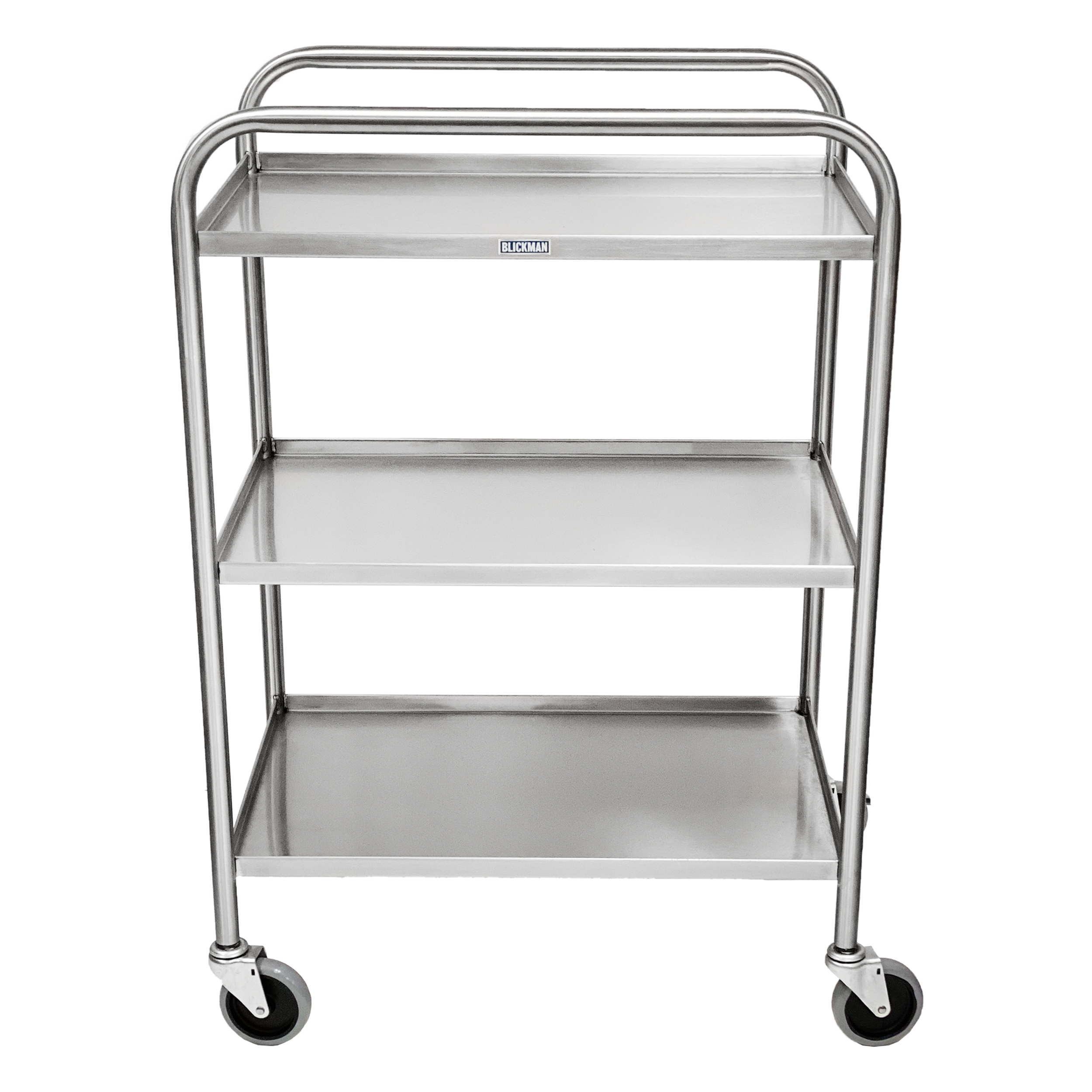
- Tianjin Kangli OEM / company profile and product catalog (manufacturer contact and product scope).
- Industry guides on medical device design and manufacturing best practices.
- Articles and supplier pages on stainless steel grades, cleaning and corrosion resistance.
Hot Tags: China, Global, OEM, private label, manufacturers, factory, suppliers, manufacturing company


