
Views: 1239 Author: kangli Publish Time: 2026-08-19 Origin: Site


Content Menu
● How to Buy Hospital Beds in Bulk: A Complete B2B Procurement Guide
● Why Bulk Hospital Bed Purchasing Requires a Structured Process
● Step 1: Define the Hospital Bed Requirements Before Requesting Quotes
>> Identify the Intended Care Environment
>> Select the Appropriate Bed Type
>> Prepare a Technical Specification Sheet
● Step 2: Understand the Core Hospital Bed Specifications
>> Side Rails and Entrapment Risk
● Step 3: Find and Shortlist Reliable Bulk Hospital Bed Suppliers
>> Verify the Supplier's Legal Identity
● Step 4: Verify Quality Management and Regulatory Documents
● Step 5: Send a Standardized RFQ to Multiple Suppliers
>> Compare Quotations Correctly
● Step 6: Calculate the Total Landed Cost
● New Insight: Use a Weighted Supplier Scorecard
● Step 7: Approve a Sample Before Mass Production
● Step 8: Control Quality During Production and Before Shipment
>> During-Production Inspection
● Step 9: Plan Shipping, Installation, and After-Sales Support
● Common Mistakes When Buying Hospital Beds in Bulk
● Recommended Visual Content and AI Image Prompts
>> Bulk Hospital Bed Procurement Flowchart
>> Hospital Bed Quality Inspection
>> Container Loading Visualization
● Final CTA: Request a Bulk Hospital Bed Procurement Package
>> 1. What is the minimum quantity for a bulk hospital bed order?
>> 2. Should I buy manual or electric hospital beds in bulk?
>> 3. How many supplier quotations should I request?
>> 4. What documents should I request before ordering?
>> 5. How can I prevent quality differences between the sample and bulk shipment?
>> 6. What is total landed cost?
>> 7. Do I need spare parts when ordering new hospital beds?
>> 8. Can I customize the hospital beds?
Learning how to buy hospital beds in bulk requires more than finding the lowest unit price. Hospitals, distributors, nursing homes, government projects, and healthcare contractors must evaluate clinical requirements, product safety, supplier capacity, regulatory documents, shipping costs, quality control, and after-sales support before placing a large order.
A well-managed bulk purchase can reduce procurement costs and simplify maintenance. A poorly managed order can result in incompatible mattresses, missing certifications, delayed delivery, high repair costs, and products that do not meet local requirements.
This guide explains how to buy hospital beds in bulk from reliable manufacturers and suppliers, compare quotations, inspect products, manage logistics, and protect your investment.
How can I start an OEM partnership with your factory?
We recommend an initial technical consultation to review your design specifications. Please contact our dedicated B2B team at [Yukili90@tjkangli.com] to discuss your product requirements.
Let’s build excellence together. Whether you need a quote for a large-scale project or want to explore private labeling opportunities for our 5-function medical bed series, we are here to support your success. Click here www.klmedbed.com to connect with our B2B team and start your customized manufacturing journey today.
Buying one hospital bed is mainly a product decision. Buying hundreds or thousands is a supply-chain and risk-management decision.
A bulk order affects:
- Patient safety
- Ward workflow
- Nursing efficiency
- Installation planning
- Spare-parts inventory
- Regulatory compliance
- Warehouse capacity
- Project schedule
- Total cost of ownership
Hospital-bed systems include more than the frame. The FDA describes a hospital-bed system as including the bed frame, mattress, side rails, headboard, footboard, and accessories.
This means the bed, mattress, side rails, and accessories should be evaluated as a compatible system rather than purchased independently.
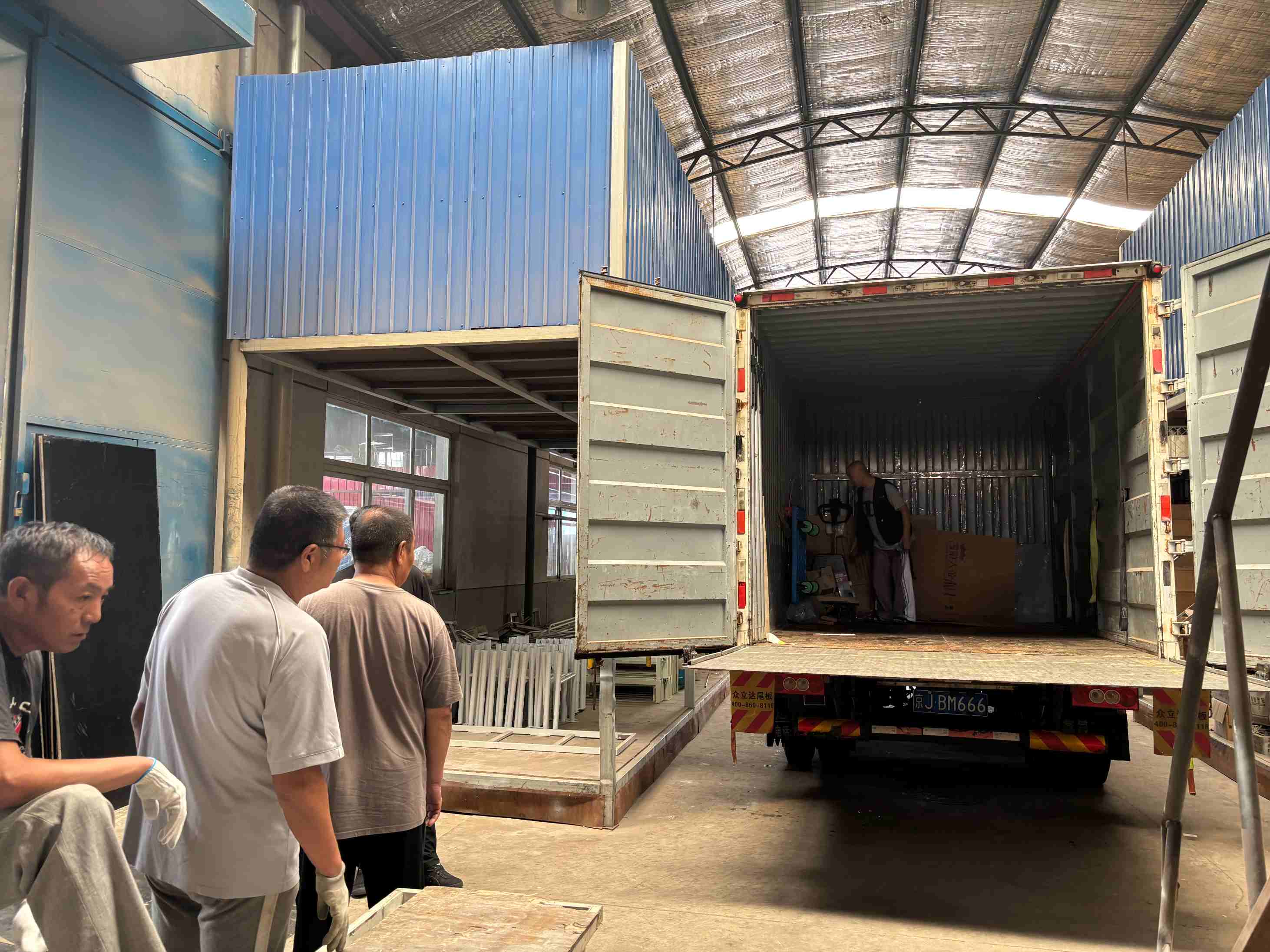
The first stage in buying hospital beds in bulk is to prepare a detailed specification.
Determine where the beds will be used:
- General medical wards
- Surgical wards
- Rehabilitation centers
- Nursing homes
- Long-term care facilities
- Emergency departments
- Homecare programs
- Intensive-care units
- Government or humanitarian projects
Each application may require different features.
For example, a general ward may need a two-function or three-function manual hospital bed, while an ICU project may require an electric bed with CPR release, advanced positioning, and monitoring compatibility.
| Bed Type | Typical Use | Main Benefits | Key Limitations |
|---|---|---|---|
| Two-function manual bed | Clinics and general wards | Low cost, simple maintenance | Limited positioning |
| Three-function manual bed | General wards and nursing homes | More flexibility and height adjustment | Requires more mechanical maintenance |
| Electric hospital bed | Hospitals and long-term care | Easier positioning and better ergonomics | Higher cost and service needs |
| ICU bed | Critical care | Advanced positioning and accessories | Higher specification and compliance requirements |
| Low hospital bed | Elderly care and fall-risk patients | Lower transfer and fall height | May require specialized accessories |
| Bariatric bed | Higher-weight patients | Reinforced structure and wider platform | Larger footprint and higher cost |
Do not assume that more functions always mean a better product. The correct choice depends on clinical needs, staff workflow, budget, and local service capability.
Your specification should define:
- Bed type
- Overall dimensions
- Mattress-platform dimensions
- Number of functions
- Manual or electric operation
- Safe working load
- Side-rail design
- Caster size and braking system
- Headboard and footboard materials
- Frame construction
- Coating and corrosion resistance
- Mattress requirements
- Accessories
- Packaging
- Warranty
- Required certifications
- Delivery destination
A clear specification prevents suppliers from quoting different products under similar names.
---
Safe working load is one of the most important specifications. It should account for more than the patient's body weight.
Consider:
- Patient weight
- Mattress
- Bedding
- Infusion equipment
- Monitoring devices
- Attached accessories
- Staff pressure during repositioning
Ask the supplier to provide the official definition and test basis for the safe working load.
Check exactly what each function controls:
- Backrest adjustment
- Knee-rest adjustment
- Overall bed-height adjustment
- Trendelenburg position
- Reverse Trendelenburg position
- Cardiac-chair position
- CPR release
- Vascular or examination position
Product names are not standardized across all manufacturers. A "three-function bed" from one supplier may not have the same configuration as one from another.
Side rails should be assessed together with the mattress and bed frame. The FDA provides guidance on potential entrapment zones and encourages manufacturers and facilities to consider mattress dimensions, compatible components, and bed-system safety.
Check:
- Rail height
- Locking mechanism
- Gaps and openings
- Mattress compatibility
- Ease of cleaning
- Emergency access
- Risk of unintended release
Side rails should not automatically be treated as fall-prevention devices. Their use should be based on the patient's condition and facility policy.
A hospital bed should be purchased with a compatible mattress specification.
Confirm:
- Mattress length and width
- Maximum thickness
- Foam or pressure-management type
- Fire-performance requirements
- Cleaning and disinfection requirements
- Compatibility with side rails
- Patient-weight range
A mattress that is too thick may reduce effective side-rail height. A mattress that is too narrow may create unsafe gaps.
---
Use targeted B2B search terms such as:
- bulk hospital bed supplier
- hospital bed manufacturer
- hospital bed wholesale supplier
- electric hospital bed supplier
- manual hospital bed manufacturer
- hospital furniture supplier
- hospital bed supplier for distributors
- hospital bed factory for large orders
Potential sourcing channels include:
- Manufacturer websites
- Medical-equipment exhibitions
- B2B platforms
- Industry associations
- Importers and distributors
- Professional sourcing agents
- Healthcare-project referrals
Search results are useful for creating a shortlist, but they do not prove supplier capability.
Request:
- Business license
- Registered company name
- Factory address
- Export history
- Product catalogue
- Quality certificates
- Bank-account details
- Brand ownership information
The contracting company, certificate holder, manufacturer, and payment beneficiary should be clearly connected.
Ask for evidence of:
- Raw-material control
- Welding and fabrication
- Powder coating
- Assembly
- Functional testing
- Quality inspection
- Finished-goods storage
- Export packaging
A live video audit can be useful. For significant orders, an independent factory audit provides stronger evidence.

ISO 13485 is an internationally recognized quality-management standard for medical devices. It provides requirements intended to help organizations consistently meet customer and regulatory requirements for safety and effectiveness.
When reviewing an ISO 13485 certificate, check:
- Certificate number
- Legal entity
- Factory address
- Scope of certification
- Certification body
- Expiration date
- Covered product category
An ISO certificate is valuable evidence of a quality-management system, but it does not automatically prove that a specific bed is approved for import into your country.
Depending on the destination market, request:
- Declaration of Conformity
- Technical file
- Risk-management documentation
- Test reports
- Electrical-safety reports
- EMC reports for electric beds
- User manual
- Product labels
- Registration or listing evidence
- Manufacturer authorization
- Inspection records
For the United States, FDA's Quality Management System Regulation became effective on February 2, 2026, incorporating ISO 13485:2016 into the applicable medical-device quality framework.
For medical-bed safety, verify the current edition of the applicable standard. The former IEC 60601-2-52:2009 listing is marked withdrawn and identifies IEC 80601-2-52:2026 as the revised version.
Always confirm current regulatory requirements in the destination market before ordering.
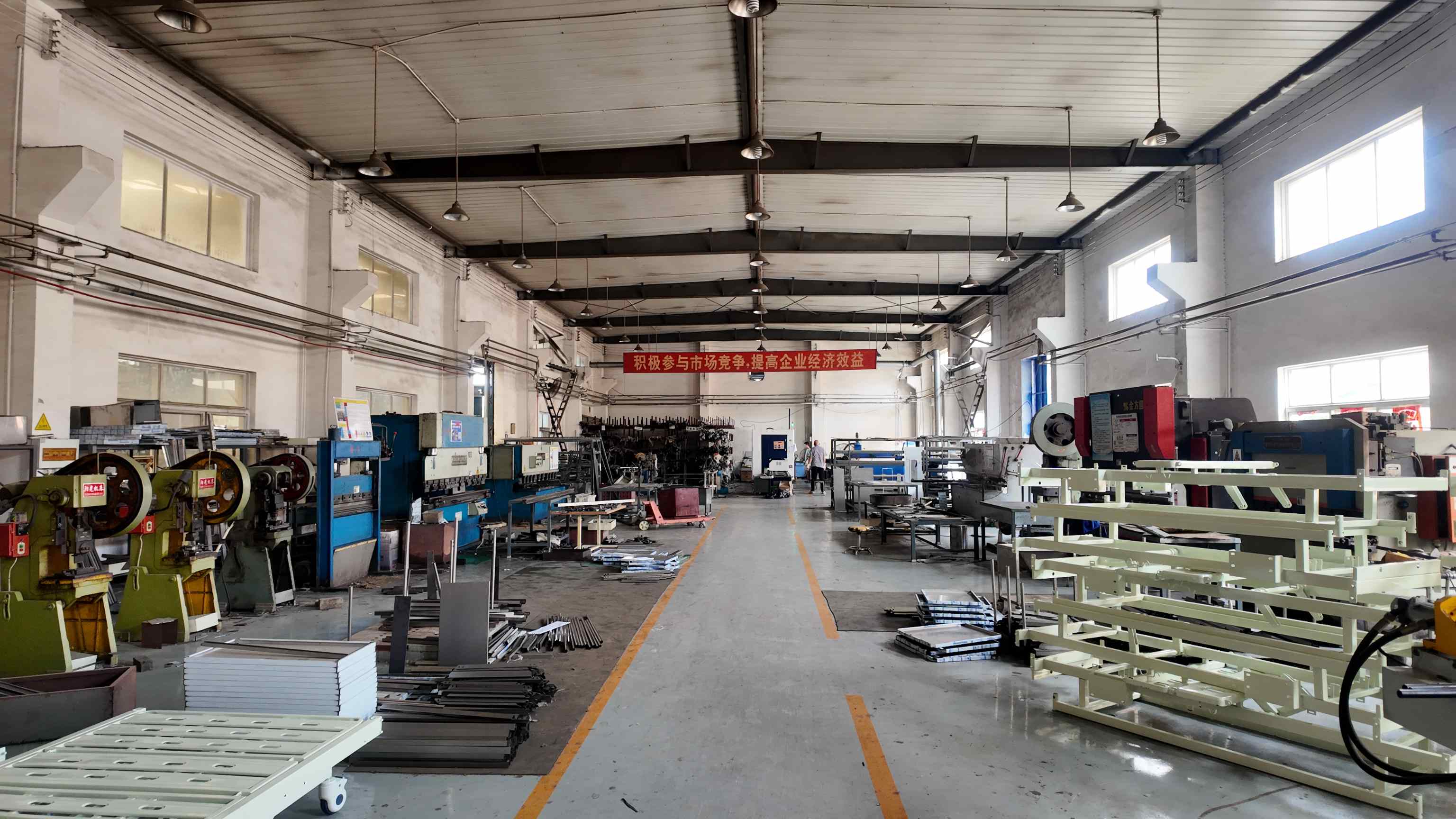
Send the same Request for Quotation to at least three qualified suppliers.
Your RFQ should include:
1. Product specifications
2. Required quantity
3. Accessories
4. Branding requirements
5. Packaging requirements
6. Destination port
7. Preferred Incoterm
8. Required documentation
9. Inspection requirements
10. Delivery schedule
11. Warranty period
12. Spare-parts requirements
13. Installation and training needs
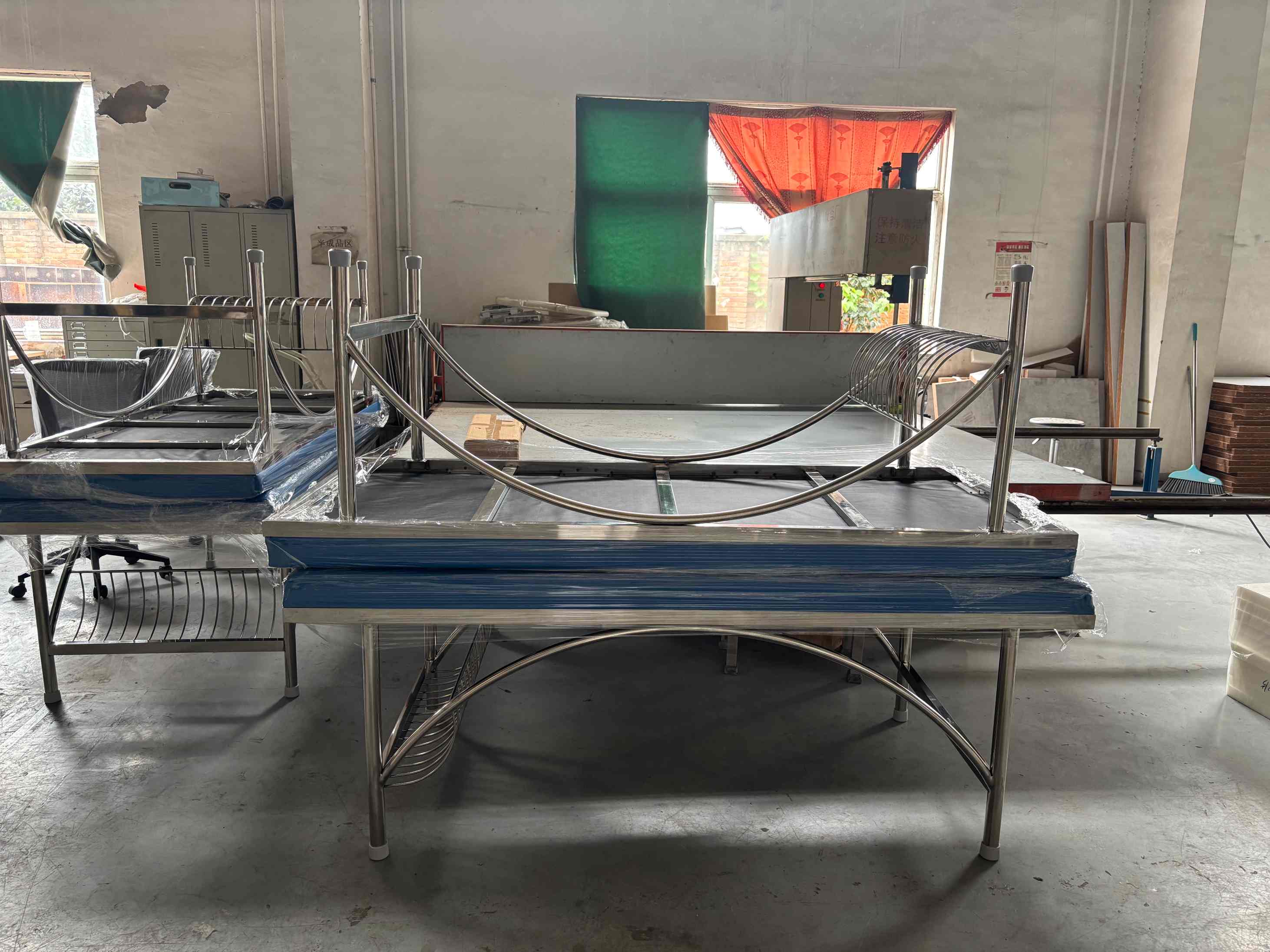
Do not compare quotations based only on the factory price. Use total landed cost.
---
A useful formula is:
> Total landed cost = product cost + inland transport + export charges + inspection + international freight + insurance + customs duties + taxes + local delivery
Also consider:
- Warehouse handling
- Installation labor
- Product training
- Warranty replacements
- Spare-parts inventory
- Currency fluctuations
- Port storage
- Damage during transport
- Regulatory registration
- Financing cost
| Cost Component | Example Share |
|---|---|
| Product price | 65–75% |
| Freight and insurance | 8–15% |
| Duties and taxes | Market-dependent |
| Local delivery | 3–8% |
| Inspection and documentation | 1–3% |
| Installation and service setup | 3–10% |
These percentages are only planning examples. Actual costs depend on the destination, order size, product type, shipping conditions, and local regulations.
A low factory quotation does not necessarily produce the best commercial result.
---
Bulk procurement often fails when buyers choose suppliers based on one attractive factor, usually price. A weighted scorecard provides a more balanced decision.
| Evaluation Criterion | Suggested Weight |
|---|---|
| Clinical and technical suitability | 25% |
| Product safety and quality | 20% |
| Regulatory documentation | 15% |
| Production capacity | 15% |
| Landed cost and margin | 10% |
| Warranty and spare parts | 10% |
| Communication and delivery reliability | 5% |
Score each supplier from 1 to 5, then multiply the score by the assigned weight.
A supplier with a slightly higher price may achieve a better total score because it offers:
- Better documentation
- Faster spare-parts delivery
- Stronger inspection procedures
- More stable production
- Lower defect risk
- Better technical support
This method is particularly useful for hospital projects involving multiple departments and stakeholders.
---
A sample bed should be tested by the people who will use or service it.
Inspect:
- Frame stability
- Weld quality
- Backrest movement
- Knee-rest movement
- Height adjustment
- Caster maneuverability
- Brake effectiveness
- Side-rail locking
- Headboard and footboard removal
- Mattress fit
- Cleaning access
- Noise
- Labels and instructions
- Packaging
Ask nurses, biomedical engineers, physiotherapists, and procurement staff to participate in the evaluation.
Your contract should state measurable requirements, such as:
- No sharp edges
- No visible cracks
- Correct dimensions
- Correct color and branding
- Smooth adjustment
- Secure rail locking
- Functional brakes
- Correct accessories
- Correct documentation
- No packaging damage
The approved sample should be documented with photographs, drawings, and a signed specification sheet.
---
A three-stage quality-control plan is recommended.
Confirm:
- Approved drawings
- Materials
- Components
- Labels
- Packaging
- Color
- Accessories
- Production schedule
Check:
- Production progress
- Component consistency
- Assembly quality
- Product quantity
- Changes from the approved sample
- Defect rates
Verify:
- Quantity
- Appearance
- Functions
- Dimensions
- Accessories
- Packaging
- Shipping marks
- Manuals and certificates
For a large order, use an independent third-party inspection company or a qualified buyer representative.
---
Hospital beds are bulky products. Logistics planning can significantly affect the final cost.
Ask the supplier to specify:
- Carton dimensions
- Gross and net weight
- Number of units per container
- Loading method
- Container utilization
- Port of loading
- Incoterm
- Estimated production time
- Estimated transit time
For manual beds:
- Crank handles
- Gear assemblies
- Casters
- Brake parts
- Side-rail locks
- Fasteners
For electric beds:
- Motors
- Controllers
- Control boxes
- Cables
- Batteries
- Emergency-release parts
A spare-parts package reduces downtime and strengthens customer confidence.
Prepare:
- Installation manuals
- Maintenance schedules
- Troubleshooting guides
- Warranty forms
- Training videos
- Service contact channels
- Replacement-part pricing
- Complaint-recording procedures
After-sales service is part of the product. It should be evaluated before the purchase order, not after a failure occurs.
---
Avoid these mistakes:
- Choosing the lowest price without comparing specifications
- Ordering before confirming import requirements
- Relying only on supplier photographs
- Accepting generic certificates
- Skipping sample approval
- Ignoring mattress and side-rail compatibility
- Failing to define safe working load
- Not budgeting for spare parts
- Using vague contract language
- Paying an unrelated company
- Skipping pre-shipment inspection
- Assuming every three-function bed has the same functions
The most expensive mistake is often receiving a shipment that is technically usable but cannot be legally imported, easily installed, or properly maintained.
---
Placement: After the introduction.
> "Professional B2B hospital bed bulk purchasing flowchart showing requirement definition, supplier shortlist, RFQ, document verification, sample approval, factory inspection, production, pre-shipment inspection, logistics, and after-sales service, modern healthcare infographic, blue and white, 16:9."
Placement: After the quality-control section.
> "Professional biomedical engineer inspecting hospital beds in a clean manufacturing facility, checking side rails, caster brakes, mattress platform, adjustment mechanisms, and product labels, realistic healthcare industry photography, no logos, 16:9."
Placement: After the logistics section.
> "Organized export warehouse loading hospital beds into a shipping container, protective packaging, quality-control checklist, international medical equipment logistics, realistic commercial photography, clean industrial environment, 16:9."
A short product video can demonstrate:
- Manual and electric bed functions
- Side-rail operation
- Caster-brake use
- Mattress installation
- Bed assembly
- Cleaning procedures
- Packaging and container loading
---
Before placing a bulk order, request a complete package from each shortlisted supplier:
- Product catalogue
- Technical datasheet
- Factory profile
- Quality certificates
- Regulatory documents
- Sample quotation
- Bulk pricing
- Incoterm quotation
- Warranty policy
- Spare-parts list
- Packaging specifications
- Delivery schedule
- Inspection plan
Contact qualified hospital bed manufacturers today and request a quotation based on your exact quantity, target market, required functions, destination port, and compliance needs. A detailed RFQ and sample-approval process can reduce risk, improve purchasing transparency, and protect your project budget.
---
There is no universal minimum. Suppliers may set different MOQs based on the product, customization level, and production schedule. Request both standard-model and customized-order quantities.
Choose manual beds when simplicity, low cost, and limited maintenance are priorities. Choose electric beds when patient positioning, caregiver ergonomics, and premium facility requirements justify the additional cost.
Request at least three comparable quotations. For major hospital projects, evaluate a broader shortlist to reduce supply and price risk.
Request product specifications, quality certificates, declarations of conformity, relevant test reports, user manuals, labels, warranty conditions, and destination-market regulatory documents.
Use an approved sample, signed technical drawings, measurable acceptance criteria, production inspections, and a pre-shipment inspection before releasing the final payment.
Total landed cost includes the product price plus transportation, insurance, duties, taxes, inspection, local delivery, installation, and related expenses required to make the beds ready for use.
Yes. A planned spare-parts package can reduce downtime and improve after-sales response. Common parts include casters, brakes, cranks, side-rail components, motors, controllers, and cables.
Many manufacturers offer OEM customization, including color, logo, labels, accessories, dimensions, packaging, and electrical configuration. Customization may increase MOQ, tooling cost, and lead time.
---
U.S. FDA — Hospital Beds — General hospital-bed safety information and entrapment-prevention resources.
U.S. FDA — Hospital Bed System Dimensional and Assessment Guidance — Guidance on bed-system openings, entrapment risk, mattress dimensions, and compatible components.
U.S. FDA — Quality and Compliance for Medical Devices — Information on medical-device quality and compliance.
U.S. FDA — Quality Management System Regulation — Information on the FDA QMSR effective February 2, 2026.
ISO 13485:2016 — Medical Devices Quality Management Systems — International quality-management standard for medical-device organizations.
ISO — Medical Devices Committee — International standardization work related to medical devices.
IEC 80601-2-52:2026 — Particular Requirements for Medical Beds — Current IEC publication listing for medical-bed safety and essential performance.
IEC 80601-2-89:2025 — Medical Beds for Children and Adults with Atypical Anatomy — Requirements for specified medical beds intended for users with atypical anatomy.
Compliance note: Standards, registration rules, labeling requirements, and import procedures vary by destination market. Buyers should obtain current advice from the applicable medical-device authority, customs broker, and regulatory professional.


