

Views: 136 Author: kangli Publish Time: 2026-09-17 Origin: Site


Content Menu
● Hospital Bed Warranty and Spare Parts: A Checklist for Distributors
● Why Warranty and Spare Parts Matter to Hospital Bed Distributors
● What Should a Hospital Bed Warranty Cover?
>> Recommended Warranty Categories
● When Does the Hospital Bed Warranty Begin?
● What Is Usually Excluded from a Hospital Bed Warranty?
● The Most Important Spare-Parts Checklist
>> Recommended Spare-Parts Table
● Which Spare Parts Should a Distributor Stock Locally?
>> Low-Volume or Large Components
● How to Evaluate Manufacturer Service Response
>> Example Service-Level Framework
● Request Technical Manuals Before Signing the Order
● Why Traceability Matters for Warranty Claims
● OEM and Private-Label Warranty Considerations
● Practical Warranty-Claim Procedure for Distributors
>> Step 2: Describe the Failure Clearly
>> Step 3: Perform Approved Troubleshooting
>> Step 5: Confirm the Corrective Action
>> Step 6: Close and Record the Case
● How to Compare Suppliers Beyond the Purchase Price
● Visual Content Recommendations
● Distributor Checklist Before Signing the Purchase Contract
● How Tianjin Kangli Supports International Distributors
>> Request a Distributor-Focused Quotation
>> 1. How long should a hospital bed warranty last?
>> 2. Should distributors stock hospital bed spare parts locally?
>> 3. Are batteries covered by the standard warranty?
>> 4. What documents should a hospital bed manufacturer provide?
>> 5. Can OEM hospital beds use the distributor's brand?
>> 6. What is the difference between warranty and spare-parts support?
>> 7. How should a distributor handle a hospital bed warranty claim?
>> 8. How long should spare parts remain available?
How can I start an OEM partnership with your factory?
We recommend an initial technical consultation to review your design specifications. Please contact our dedicated B2B team at [Yukili90@tjkangli.com] to discuss your product requirements.
Let’s build excellence together. Whether you need a quote for a large-scale project or want to explore private labeling opportunities for our 5-function medical bed series, we are here to support your success. Click here www.klmedbed.com to connect with our B2B team and start your customized manufacturing journey today.

For medical-equipment distributors, a hospital bed sale does not end when the product arrives at the customer's facility. The real test begins after installation, when a caster wears out, an actuator stops working, a side rail becomes damaged, or a hospital requests technical assistance.
That is why hospital bed warranty and spare-parts planning should be evaluated before signing a supply agreement. A competitive purchase price is important, but it is only one part of the total ownership cost. Distributors also need clear warranty terms, reliable replacement parts, technical documentation, service response times, and a manufacturer that can support products throughout their expected service life.
At Tianjin Kangli Medical Device, we provide OEM and private-label hospital bed manufacturing services for international brands, wholesalers, distributors, and medical-equipment companies. This checklist explains what distributors should confirm before ordering hospital beds from a manufacturer.
> Important note: Warranty periods, service obligations, product-registration requirements, and spare-parts responsibilities vary by contract and destination market. Buyers should have the final agreement reviewed by their legal, regulatory, and technical teams.
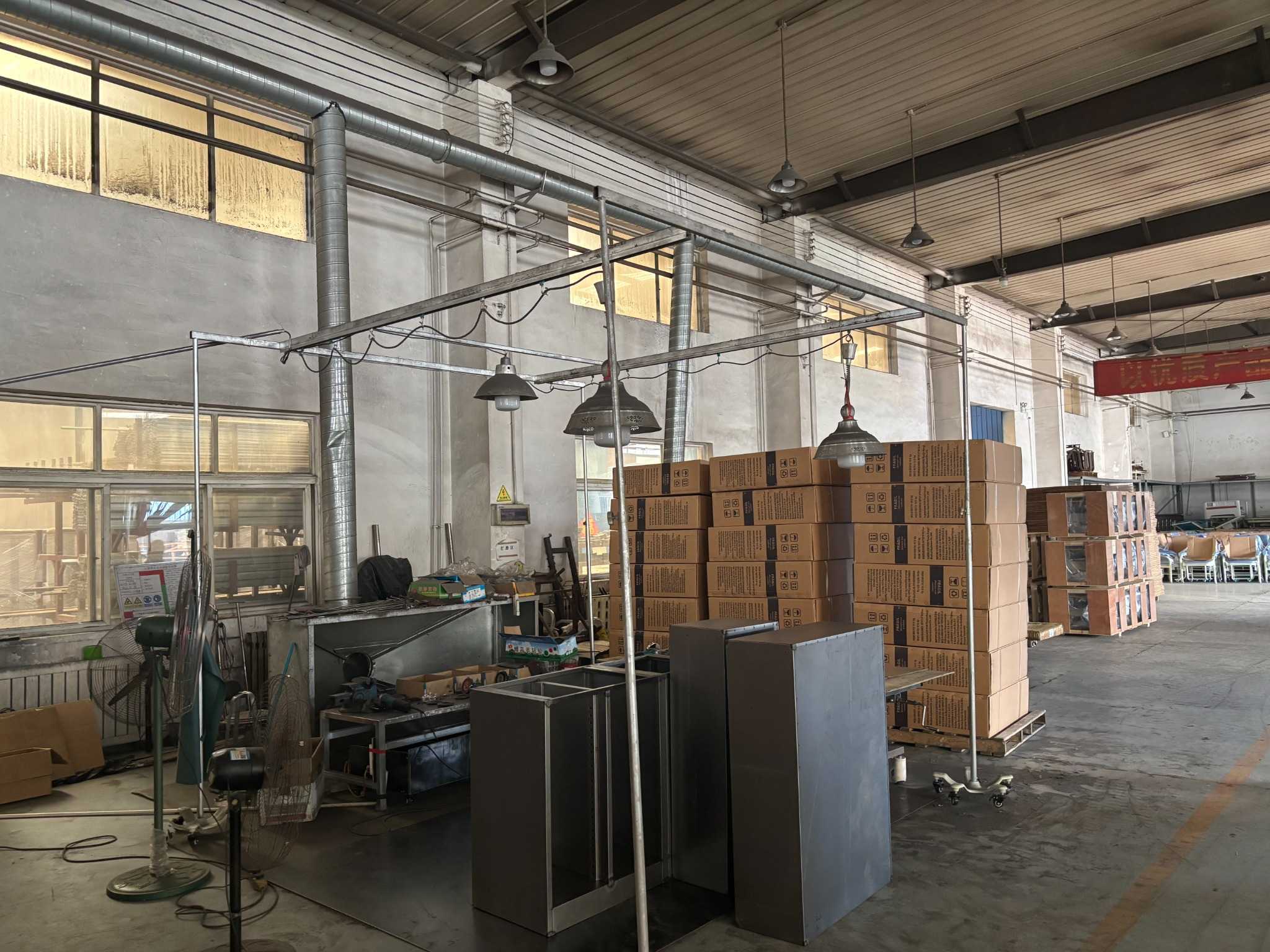
Hospital beds are used continuously in demanding environments. They are moved between rooms, cleaned frequently, adjusted many times each day, and exposed to mechanical, electrical, and chemical stresses.
A distributor may face serious commercial consequences when after-sales support is weak:
- Hospital downtime
- Delayed repairs
- Customer complaints
- Emergency replacement costs
- Reputational damage
- Contract penalties
- Lost repeat business
- Difficulty competing for future tenders
A manufacturer may offer the lowest initial price, but if spare parts are unavailable or technical support is slow, the distributor's total cost can become much higher.
In practical terms, a distributor is not only selling a bed. The distributor is also selling availability, reliability, service continuity, and customer confidence.
A warranty should be written in specific, measurable language. Avoid accepting general statements such as "one-year warranty for the whole bed" without further explanation.
A complete warranty should identify:
- Warranty duration
- Warranty start date
- Covered components
- Excluded components
- Labor coverage
- Replacement-part coverage
- Shipping responsibility
- Repair response time
- Replacement procedure
- Documentation requirements
- Warranty limitations
- Extended-warranty options
| Component or issue | What the warranty should clarify |
|---|---|
| Bed frame | Structural defects, welding failure, deformation, corrosion |
| Electric actuators | Motor failure, abnormal noise, movement failure |
| Control system | Hand controller, nurse panel, control box, cables |
| Battery | Coverage period and normal service-life exclusions |
| Casters and brakes | Manufacturing defects versus normal wear |
| Side rails | Locking mechanism, cracks, deformation |
| Mattress platform | Structural failure and surface defects |
| Wheels and bumpers | Defects, impact damage, and wear limits |
| Mattress | Cover, foam, waterproofing, and compression conditions |
| Accessories | IV poles, drainage hooks, oxygen holders, tables |
| Labels and manuals | Incorrect or missing information |
Not every component should necessarily have the same warranty period. For example, batteries, casters, mattresses, and upholstery may be considered wear-related items, while structural frames and actuators may receive longer coverage.
The key is to define these differences before the order is placed.

Warranty start dates can create disputes if they are not written clearly.
Common approaches include:
1. Date of shipment
2. Date of arrival at the distributor's warehouse
3. Date of installation
4. Date of commissioning
5. Date of sale to the end customer
For distributors, the most practical approach may be to start the warranty from installation or delivery to the end customer, especially when products remain in inventory for an extended period. However, manufacturers may prefer a shipment-based start date.
A balanced agreement may include:
- A maximum warranty activation period after shipment
- Warranty registration after installation
- Proof-of-delivery requirements
- Separate terms for demonstration units
- Separate terms for warehouse storage
- Does the warranty begin when the bed leaves the factory?
- Does the warranty pause while a replacement part is being shipped?
- Is the warranty transferred to the end user?
- Are repaired components covered for the remainder of the original warranty?
- Does replacement of a major component restart the warranty period?
---
A professional warranty should identify exclusions clearly rather than relying on vague language.
Potential exclusions may include:
- Improper installation
- Unauthorized modification
- Incorrect electrical supply
- Misuse or overload
- Accidental damage
- Flood, fire, or other force majeure events
- Use of non-approved accessories
- Failure to perform required maintenance
- Normal wear and tear
- Damage caused by unsuitable cleaning chemicals
- Cosmetic damage after delivery inspection
- Unauthorized repair
- Incorrect storage conditions
However, exclusions must be reasonable. A manufacturer should not classify every failure as "improper use" without evidence.
Distributors should request a clear process for:
- Failure reporting
- Technical diagnosis
- Evidence submission
- Root-cause review
- Warranty approval
- Replacement authorization
- Dispute resolution
---
Before purchasing hospital beds, distributors should request a complete spare-parts list.
Depending on the model, the list may include:
- Electric actuators
- Control boxes
- Nurse-control panels
- Patient handsets
- Power cords
- Batteries
- Battery chargers
- Cables and connectors
- Limit switches
- Casters
- Central-brake components
- Side-rail assemblies
- Side-rail locks
- Headboards and footboards
- Bed-platform sections
- Gas springs
- Hydraulic components
- IV poles
- Drainage-bag hooks
- Oxygen-cylinder holders
- Corner bumpers
- Mattress covers
- Remote-control holders
- Fasteners and hardware
- Labels and instruction plates
The supplier should provide part numbers, descriptions, photographs, and compatibility information.
| Spare-part information | Why it matters |
|---|---|
| Part number | Prevents ordering errors |
| Part name | Supports clear communication |
| Compatible model | Avoids incorrect substitutions |
| Revision number | Controls design changes |
| Unit price | Supports service budgeting |
| Minimum order quantity | Helps inventory planning |
| Lead time | Supports repair commitments |
| Shelf life | Important for batteries and consumables |
| Installation instructions | Enables local service |
| Warranty period | Clarifies replacement responsibility |
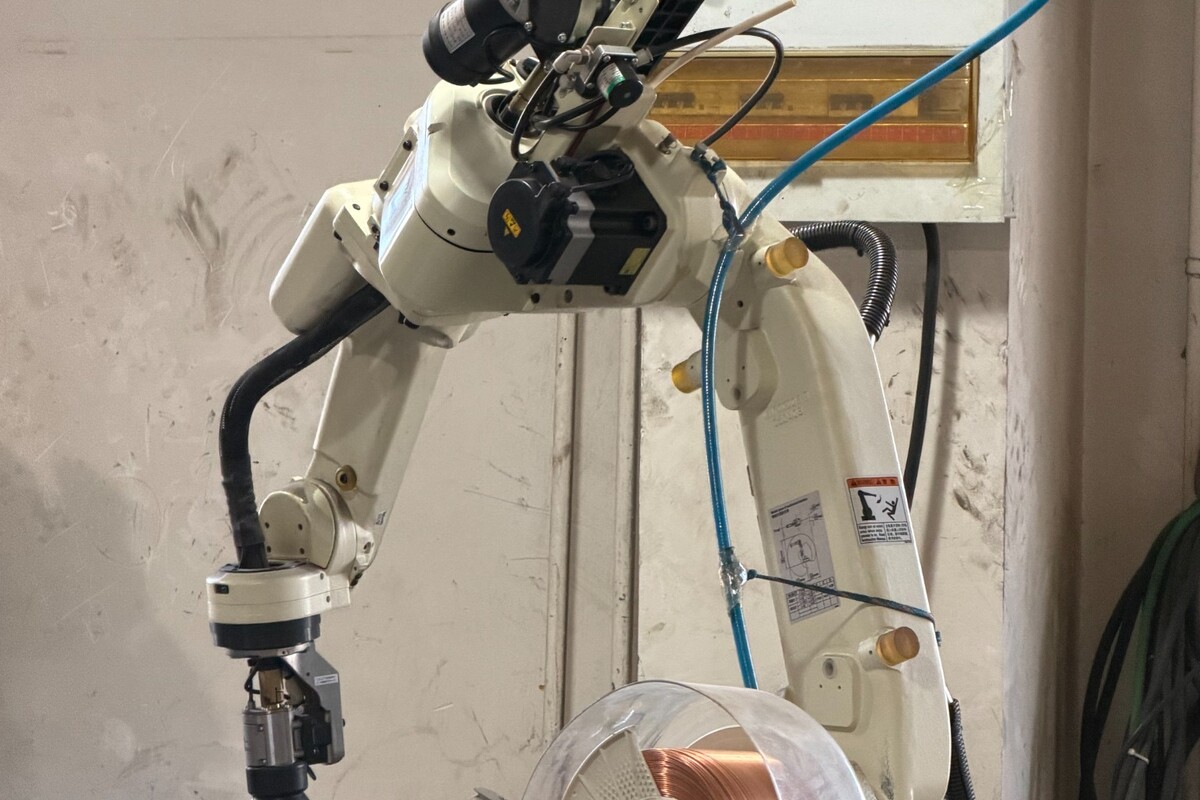
The correct inventory depends on sales volume, customer expectations, local service capacity, and delivery time from the factory.
For commonly sold electric hospital beds, distributors may consider stocking:
- Hand controllers
- Control boxes
- Power cables
- Actuators
- Batteries
- Casters
- Side-rail locks
- Common fasteners
- Remote-control holders
- Frequently damaged plastic components
These parts are relatively practical to store and may resolve common service issues quickly.
Distributors may prefer to order these as needed:
- Complete bed frames
- Full mattress platforms
- Headboards and footboards
- Large side-rail assemblies
- Hydraulic systems
- Specialized weighing systems
- Uncommon electronic modules
The factory and distributor should agree on expected lead times for these components.
A simple planning approach is:
Recommended stock = Average monthly usage × supplier lead time + safety stock
For example, if a distributor normally uses four replacement handsets per month and factory delivery takes two months, a basic stock level should cover at least eight units, plus additional safety stock for urgent hospital requirements.
This is only a planning example. Actual stock levels should reflect sales history, failure rates, seasonality, and service-level agreements.
---
A warranty is only valuable when the supplier responds effectively.
Ask the manufacturer to define:
- Complaint acknowledgement time
- Initial technical response time
- Diagnosis time
- Replacement-part quotation time
- Standard shipping time
- Emergency shipping options
- Escalation contacts
- Remote troubleshooting support
- Video-call or online training
- Field-service availability
- Root-cause analysis procedure
| Service stage | Example target |
|---|---|
| Complaint acknowledgement | Within 1 business day |
| Initial technical review | Within 2 business days |
| Parts quotation | Within 3 business days |
| Standard replacement shipment | Agreed according to stock and destination |
| Urgent issue escalation | Same business day |
| Corrective-action report | Provided for confirmed systemic failures |
These are examples, not universal requirements. Distributors should negotiate service levels based on hospital contracts and local market expectations.
---
A manufacturer should be able to provide more than a user manual.
For distributor support, request:
- User manual
- Installation manual
- Service manual
- Troubleshooting guide
- Wiring diagram, where appropriate
- Parts catalogue
- Exploded-view drawings
- Preventive-maintenance schedule
- Cleaning instructions
- Lubrication requirements
- Electrical-test procedure
- Battery-replacement instructions
- Repair authorization procedure
- Training materials
For OEM customers, these documents may need to carry the distributor's private-label brand and destination-market language.
Technical documents should be controlled by revision number. If a component or wiring design changes, the manufacturer should update the relevant manuals and notify affected distributors.

A reliable manufacturer should be able to trace each hospital bed to:
- Production date
- Serial number
- Model and revision
- Major components
- Inspection records
- Shipment batch
- Customer or distributor
- Previous repair history
Traceability allows the manufacturer to identify whether a problem is:
- Isolated to one unit
- Related to a production batch
- Caused by a component supplier
- Connected to a design change
- Associated with installation or misuse
- Potentially subject to a field correction
The FDA's current quality framework for medical-device manufacturers incorporates ISO 13485:2016, and its servicing guidance emphasizes the importance of controlled servicing and quality processes. [1]
For distributors, traceability is not merely a compliance concept. It helps reduce investigation time and supports more professional customer service.
---
International brands often sell hospital beds under their own brand name. This creates additional responsibilities.
Before production, confirm:
- Who is named as the manufacturer?
- Who is responsible for regulatory documentation?
- Whose brand appears on the bed label?
- Who receives customer complaints?
- Who approves design changes?
- Who provides field-correction support?
- Who holds technical files?
- Who pays for warranty replacement parts?
- Can the OEM manufacturer support the distributor's service network?
The OEM agreement should also define:
- Intellectual-property ownership
- Confidentiality
- Product customization
- Approved component substitutions
- Label and packaging control
- Country-specific manuals
- Service-part continuity
- Product discontinuation notice
A distributor should avoid a situation where the hospital sees one brand on the bed, but the warranty claim must be handled by a different company with no clear responsibility.

A standardized procedure helps prevent delays.
Collect:
- Model number
- Serial number
- Purchase order
- Delivery date
- Installation date
- Customer information
- Photos or videos
- Error codes
- Operating conditions
Avoid vague statements such as "bed does not work." Record:
- Which function failed
- Whether the failure is intermittent
- Whether the issue occurs under load
- Whether there is unusual noise
- Whether cables or connectors are damaged
- Whether the problem affects patient safety
Use the supplier's troubleshooting guide. Do not modify circuits or replace components without authorization unless the agreement permits local repair.
Send:
- Warranty form
- Evidence
- Serial-number information
- Troubleshooting results
- Requested remedy
The remedy may include:
- Replacement part
- Remote technical guidance
- On-site service
- Full unit replacement
- Repair authorization
- Corrective-action report
Record:
- Root cause
- Part replaced
- Labor performed
- Date resolved
- Customer confirmation
- New warranty status
---
Use a weighted supplier-evaluation table.
| Evaluation category | Suggested questions |
|---|---|
| Warranty | Is the coverage clear and commercially usable? |
| Spare parts | Are parts available with documented lead times? |
| Technical support | Can the factory support local technicians? |
| Documentation | Are manuals, drawings, and part lists complete? |
| Traceability | Are serial numbers and production records maintained? |
| Service response | Are response targets written into the agreement? |
| Quality system | Does the manufacturer use controlled processes? |
| OEM capability | Can labels, manuals, and packaging be customized? |
| Long-term support | How long will parts remain available? |
| Total cost | What is the five-year ownership cost? |
The cheapest supplier may not be the most economical supplier. A distributor should calculate:
Total cost of ownership = Purchase cost + freight + installation + maintenance + spare parts + service labor + downtime risk
This approach provides a more realistic basis for B2B purchasing decisions.
---
To improve user experience and conversion, consider adding:
1. Hospital bed component diagram showing actuators, control box, casters, side rails, and spare parts.
2. Warranty coverage table comparing structural, electrical, mechanical, and consumable components.
3. Spare-parts inventory image showing organized, labeled replacement components.
4. Service workflow diagram from complaint submission to resolution.
5. Short factory video demonstrating inspection, actuator testing, brake testing, and packaging.
6. Downloadable warranty checklist for distributors and procurement teams.
Visual evidence can help international buyers understand the manufacturer's production capability and after-sales system more quickly than text alone.
---
Use this final checklist:
- [ ] Warranty duration is written clearly.
- [ ] Warranty start date is defined.
- [ ] Covered components are listed.
- [ ] Exclusions are reasonable and specific.
- [ ] Spare-parts list includes part numbers.
- [ ] Lead times are documented.
- [ ] Technical manuals are available.
- [ ] Service response times are agreed.
- [ ] Product traceability is supported.
- [ ] OEM responsibilities are defined.
- [ ] Product-change notification is required.
- [ ] Long-term parts availability is discussed.
- [ ] Local repair authorization is clarified.
- [ ] Packaging and shipping damage procedures are included.
- [ ] Warranty claim forms and evidence requirements are agreed.
- [ ] Dispute-resolution procedures are included.
- [ ] Final terms are reflected in the signed contract.

For overseas brands and distributors, we can support projects with:
- Hospital bed OEM manufacturing
- Private-label branding
- Custom product configurations
- Controlled production documentation
- Pre-shipment inspection
- Technical manuals
- Spare-parts supply
- Warranty coordination
- Packaging customization
- Distributor communication
- Product and service support
Our recommended approach is to confirm the product model, target market, expected sales volume, warranty structure, spare-parts requirements, and service responsibilities before mass production.
When contacting a manufacturer, provide:
- Hospital bed model or required functions
- Target country
- Estimated annual quantity
- OEM or private-label requirements
- Warranty expectations
- Spare-parts list
- Required delivery schedule
- Documentation requirements
- Installation and training needs
Contact Tianjin Kangli Medical Device to request an OEM hospital bed quotation, warranty proposal, spare-parts list, and distributor-support plan.
---
The appropriate period depends on the product, market, contract, and expected usage. Distributors should seek clear coverage for the bed frame, actuators, control system, and major mechanical components, while separately defining terms for batteries, casters, mattresses, and other wear-related parts.
Usually, yes. Stocking fast-moving parts such as hand controllers, cables, batteries, actuators, and casters can reduce downtime. The exact inventory should be based on sales volume, failure rates, supplier lead time, and hospital service commitments.
Batteries may have a shorter warranty period because their service life depends on charging habits, storage, temperature, and usage. The contract should specify the battery warranty, expected service life, replacement criteria, and testing method.
Distributors should request a user manual, installation instructions, service manual, parts catalogue, troubleshooting guide, maintenance schedule, cleaning instructions, warranty terms, inspection records, and applicable conformity or quality documents.
Yes, many manufacturers support private-label production. The parties should define logo placement, packaging, manuals, labels, intellectual-property ownership, regulatory responsibilities, and customer-service obligations before production.
A warranty defines the manufacturer's responsibility for eligible product failures during a specified period. Spare-parts support concerns the continued availability, pricing, compatibility, and delivery of replacement components, including parts needed after the warranty expires.
Record the model, serial number, delivery date, failure description, photographs, videos, error codes, and troubleshooting results. Submit the evidence according to the manufacturer's claim procedure and document the corrective action until the customer confirms resolution.
The required period depends on the market and product type. Distributors should negotiate a defined parts-availability commitment, advance notice of product discontinuation, and a final-order opportunity for critical components.
---
U.S. Food and Drug Administration — Remanufacturing and Servicing Medical Devices
Provides information on medical-device servicing, quality requirements, and the FDA’s current Quality Management System Regulation framework.
https://www.fda.gov/medical-devices/quality-and-compliance-medical-devices/remanufacturing-and-servicing-medical-devices
U.S. Food and Drug Administration — Quality and Compliance for Medical Devices
Explains the FDA’s quality-system and compliance framework for medical-device manufacturers.
https://www.fda.gov/medical-devices/device-advice-comprehensive-regulatory-assistance/quality-and-compliance-medical-devices
U.S. Food and Drug Administration — Postmarket Management of Cybersecurity in Medical Devices
Illustrates the importance of lifecycle management, maintenance, and postmarket support for connected or software-enabled medical devices.
https://www.fda.gov/regulatory-information/search-fda-guidance-documents/postmarket-management-cybersecurity-medical-devices
International Organization for Standardization — ISO 13485:2016
Official information about the quality-management-system standard for medical devices.
https://www.iso.org/standard/59752.html
International Organization for Standardization — Medical Devices Quality Management
Background on quality management and regulatory requirements in the medical-device industry.
https://www.iso.org/medical-devices.html


