
Views: 1396 Author: kangli Publish Time: 2026-08-07 Origin: Site


Content Menu
● Hospital Bed Factory Audit Checklist: What Buyers Must Verify Before Placing an Order
● Why Hospital Bed Buyers Need a Factory Audit
● Hospital Bed Factory Audit Checklist: The Main Areas to Inspect
>> 1. Legal Identity and Manufacturing Scope
>> 2. Quality Management System
>> 3. Product Design and Technical Documentation
● Hospital Bed Safety and Compliance Verification
>> Electrical and Functional Safety
>> Mattress Platform and Side-Rail Compatibility
● Comparing Hospital Bed Manufacturing Solutions
● Procurement Risks Buyers Often Overlook
>> Risk 1: Certificates Do Not Match the Product
>> Risk 2: Critical Components Are Quietly Changed
>> Risk 3: Factory Capacity Is Confused with Trading Capacity
>> Risk 4: Testing Is Performed Only on Samples
>> Risk 5: After-Sales Support Is Not Operationally Defined
● How Kangli Factory Handles Hospital Bed Quality Control
>> Controlled Incoming Materials
>> Controlled Production Stages
>> Full-Bed Functional Verification
>> Traceability and Corrective Action
● Expert Method: Conduct a Remote Hospital Bed Factory Audit
>> Recommended 60-Minute Audit Agenda
● Buyer Checklist for Hospital Bed Factory Audits
>> 1. Is ISO 13485 enough to approve a hospital bed factory?
>> 2. Should I audit the factory before ordering samples?
>> 3. What is the most important hospital bed safety issue?
>> 4. How can I verify that the shipped bed matches the approved sample?
>> 5. Should buyers choose a standard model or an OEM hospital bed?
>> 6. What records should I request from the factory?
● Request a Hospital Bed Factory Audit and Quotation
● Suggested Visual Content and AI Image Prompts
>> Buyer Checklist Illustration
When a hospital bed supplier offers a low price, polished catalog, and attractive product photos, that does not prove the factory can deliver safe, compliant, and consistent medical beds. A proper Hospital Bed Factory Audit Checklist helps buyers verify the manufacturer's quality system, production capability, testing process, traceability, and after-sales support before making a costly procurement decision.
From my experience reviewing medical equipment suppliers, the most serious problems usually appear after the purchase order is signed: inconsistent welding, unverified motors, missing technical files, poor spare-parts planning, or a factory that outsources critical production without disclosure.
This guide explains what hospital bed buyers should inspect, which manufacturing options to compare, the procurement risks that are easy to miss, and how Kangli Medical approaches factory quality control.
How can I start an OEM partnership with your factory?
We recommend an initial technical consultation to review your design specifications. Please contact our dedicated B2B team at [Yukili90@tjkangli.com] to discuss your product requirements.
Let’s build excellence together. Whether you need a quote for a large-scale project or want to explore private labeling opportunities for our 5-function medical bed series, we are here to support your success. Click here www.klmedbed.com to connect with our B2B team and start your customized manufacturing journey today.
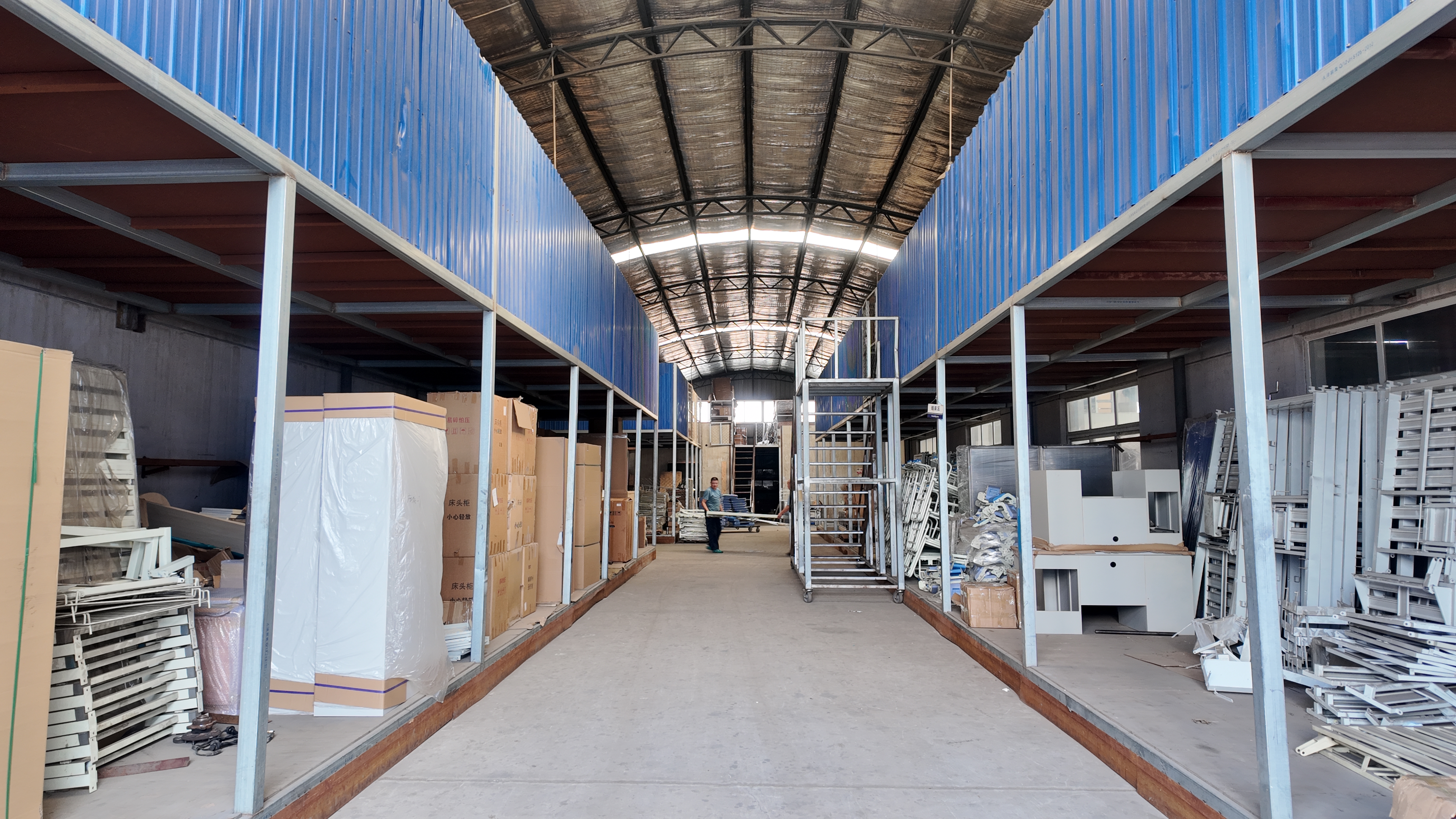
A hospital bed is not simply a metal frame with an electric actuator. It is a patient-support medical device that combines mechanical structures, electrical systems, emergency functions, side rails, casters, mattress platforms, and user controls.
The consequences of poor quality can include:
- Patient entrapment caused by unsafe gaps around side rails or mattress platforms.
- Bed collapse resulting from weak welding, poor material selection, or overload.
- Electrical shock or fire risk caused by low-quality power supplies and inadequate insulation.
- Unexpected motor failure during patient repositioning or emergency treatment.
- Difficult cleaning and infection-control problems caused by poor surface treatment.
- Delayed hospital operations because spare parts are unavailable.
- Regulatory delays when technical documents do not match the delivered product.
The FDA reported 901 hospital-bed entrapment incidents between 1985 and 2013, including 531 deaths, 151 nonfatal injuries, and 220 cases requiring staff intervention.
For buyers, this means a factory audit is not merely a supplier-management exercise. It is a patient-safety, compliance, and total-cost decision.
---
Before visiting the production line, confirm that the company actually owns or controls the facilities it presents.
Ask for:
- Business license and legal entity name
- Factory address and production-site photographs
- Manufacturing scope
- Export markets
- Main product categories
- Ownership of molds, tooling, and test equipment
- List of outsourced processes
A frequent mistake is auditing a trading company while assuming it is the manufacturer. The quotation may come from one company, the certificate from another, and the shipment from a third-party factory.
Audit question: Does the legal name on the quotation match the name on the quality certificates, product labels, and commercial documents?
---
A credible hospital bed factory should operate a documented quality management system, preferably one designed for medical devices.
Review:
- ISO 13485 certificate and scope
- Quality manual
- Document-control procedure
- Corrective and preventive action records
- Internal audit reports
- Supplier qualification procedure
- Nonconforming-product procedure
- Complaint-handling and recall procedure
- Change-control records
Do not only check whether an ISO certificate exists. Verify whether the certificate covers the actual manufacturing site and relevant medical-bed products.
A certificate alone cannot guarantee product quality. The audit should confirm whether employees follow the procedures in daily production.
---
Buyers should ask how the supplier controls engineering drawings and product changes.
Important documents include:
- Approved product drawings
- Bill of materials
- Electrical diagrams
- Risk-management files
- User manual
- Installation instructions
- Maintenance instructions
- Test specifications
- Packaging drawings
- Revision history
The delivered bed must match the approved documents. A factory may show one model during a video call but ship another version with a different actuator, control box, side rail, or caster.
Require the supplier to identify every critical component by part number, not only by general descriptions such as "high-quality motor" or "European power system."
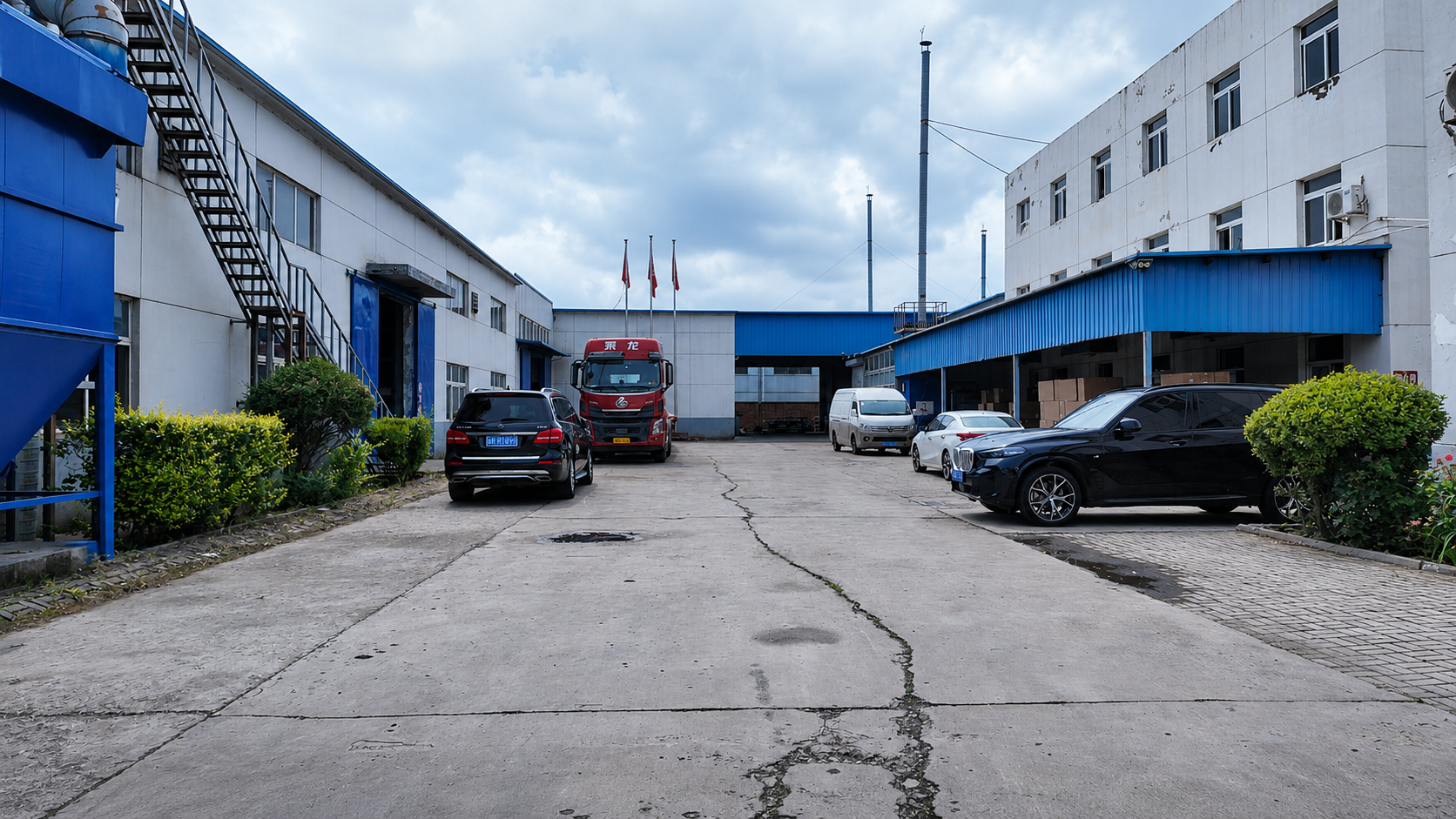
During a factory audit, inspect the following points:
- Load-bearing frame strength
- Weld appearance and penetration
- Sharp-edge removal
- Backrest and knee-break movement
- Side-rail locking reliability
- Caster braking performance
- Bed extension stability
- Emergency CPR release
- Height-adjustment limits
- Noise and vibration during movement
Hospital bed systems should receive particular attention around side rails and entrapment zones. The FDA identifies IEC 60601-2-52 as the relevant consensus standard for the basic safety and essential performance of adult medical beds.
For electric hospital beds, verify:
- Input voltage and frequency
- Power-cord type
- Grounding continuity
- Leakage-current testing
- Dielectric-strength testing
- Protection against water ingress where applicable
- Battery charging and backup performance
- Motor temperature
- Control-box protection
- Emergency lowering function
- Hand-control durability
The factory should show actual testing, not only provide a generic test report. Ask to see the test instrument, calibration label, operator, test method, and recorded result.
A hospital bed may be technically functional but unsafe when paired with the wrong mattress.
Confirm:
- Recommended mattress dimensions
- Mattress thickness range
- Platform gap dimensions
- Side-rail height above the mattress
- Compatibility with alternating-pressure mattresses
- Risk of mattress movement during backrest adjustment
The FDA's hospital-bed safety resources emphasize dimensional assessment and entrapment prevention for both new beds and beds already in healthcare facilities.
---
Buyers commonly compare three procurement options: a standard catalog bed, a customized OEM bed, or a high-end platform developed for a specific healthcare system.
| Solution | Advantages | Limitations | Best For |
|---|---|---|---|
| Standard catalog model | Faster quotation, lower development cost, easier production | Limited customization and possible specification mismatch | Distributors and routine replacement projects |
| OEM-customized model | Brand customization, market-specific voltage and features, flexible packaging | Requires stronger engineering communication and approval control | Importers and hospital-equipment brands |
| High-end clinical platform | Advanced functions, stronger documentation, more testing and integration | Higher unit cost, longer development time | Acute-care hospitals and large tenders |
A standard model is usually the fastest route for buyers who need a predictable configuration. However, the buyer should not assume that "standard" means "universally compliant."
Confirm:
- Destination-country electrical requirements
- Plug and cable configuration
- Side-rail design
- Bed dimensions
- Weight capacity
- Available accessories
- User manual language
- Packaging and shipping dimensions
OEM procurement can provide better market differentiation, but it increases the need for technical control.
The buyer should approve:
1. Final drawings
2. Golden sample
3. Approved component list
4. Label artwork
5. User manual
6. Packaging
7. Inspection standard
8. Change-notification procedure
A verbal agreement is not enough. Every important requirement should be included in a signed technical specification.
A hospital tender may require special functions such as Trendelenburg positioning, nurse-control panels, integrated scales, fifth-wheel steering, X-ray compatibility, or centralized braking.
For these projects, buyers should conduct:
- Design reviews
- Prototype testing
- Clinical-use simulation
- Third-party testing where required
- Pre-shipment inspection
- Installation and training planning
The lowest unit price is rarely the lowest project cost if installation, replacement parts, and regulatory corrections are excluded.
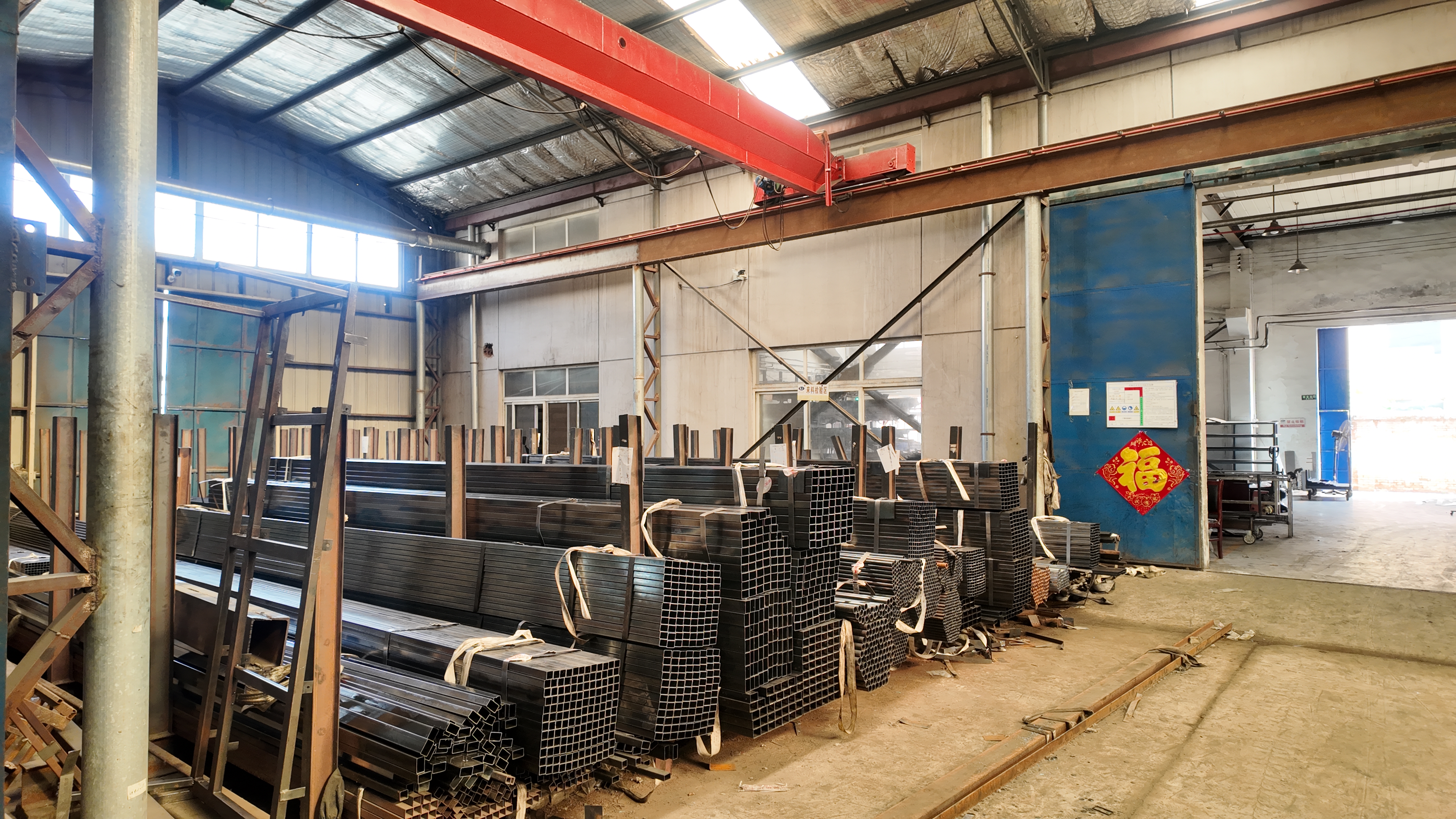
A supplier may provide certificates for a similar model, an older version, or a different factory.
Check:
- Model number
- Manufacturer name
- Factory address
- Certificate validity
- Test configuration
- Component configuration
- Applicable market
Factories may change motors, casters, control boxes, batteries, or power supplies because of price or availability.
Add a contract requirement that no critical component can be changed without written buyer approval.
A supplier may promise 500 beds per month but have only a small assembly area. Ask for evidence:
- Monthly production records
- Current orders
- Number of assembly stations
- Welding and coating capacity
- Final-inspection manpower
- Peak-season production plan
A strong factory should define which tests are performed on:
- Incoming components
- In-process assemblies
- Every finished bed
- Random samples
- Special or customized orders
For example, every electric bed may require functional testing, while type testing may be performed periodically or during design validation.
"Two-year warranty" is incomplete unless the contract defines:
- Response time
- Spare-parts availability
- Remote diagnosis
- Replacement responsibilities
- Technician support
- Warranty exclusions
- Procedure for damaged shipments
---
For buyers evaluating Kangli, the most useful approach is to examine the factory as a process system, not only as a showroom.
A practical Kangli factory audit should verify whether the company can demonstrate the following:
Kangli should identify and inspect critical materials and components before production, including:
- Steel tubes and formed parts
- Motors and actuators
- Control boxes
- Casters
- Side-rail components
- Nurse-control panels
- Fasteners and electrical accessories
The buyer should request incoming-inspection records and confirm that rejected components are physically segregated.
A reliable workflow should include:
1. Material preparation
2. Laser cutting or forming
3. Welding
4. Grinding and deburring
5. Surface treatment
6. Mechanical assembly
7. Electrical installation
8. Functional testing
9. Final inspection
10. Packaging and loading
During the audit, compare the written process flow with the actual factory layout. If the documents show in-house production but key processes are outsourced, this should be disclosed and controlled.
Before shipment, Kangli should demonstrate:
- All motor movements
- Backrest and leg-rest operation
- Height adjustment
- Trendelenburg function, if included
- CPR release
- Side-rail locking
- Caster braking
- Control-button response
- Battery backup
- Noise and abnormal vibration
- Packaging condition
The buyer should ask for a sample inspection report using the exact model and configuration being purchased.
A mature factory can trace:
- Production date
- Batch number
- Motor or control-box lot
- Inspector
- Test results
- Customer shipment
- Complaint history
If a field problem occurs, traceability allows the manufacturer to identify affected units instead of treating every shipment as an unknown risk.
---
A remote audit can be useful when travel is impractical, but it must be structured.
1. 10 minutes: Legal identity and quality certificates
2. 15 minutes: Warehouse and incoming inspection
3. 15 minutes: Welding, coating, and assembly lines
4. 10 minutes: Electrical and final testing
5. 5 minutes: Packaging and loading area
6. 5 minutes: Open questions and corrective actions
Ask the factory to perform a live, unedited walk-through. The camera should show the production area, current work-in-progress, test instruments, labels, and rejected-product zone.
A useful audit rule is: Do not accept a presentation video as evidence of current capability. Request live demonstrations and dated records.
---
Use this checklist before approving a supplier:
- [ ] Legal company name verified
- [ ] Factory address verified
- [ ] Manufacturing site visited or audited remotely
- [ ] Relevant ISO 13485 documentation reviewed
- [ ] Export markets and references checked
- [ ] Outsourced processes disclosed
- [ ] Final technical specification approved
- [ ] Drawings and bill of materials controlled
- [ ] Electrical configuration matches destination market
- [ ] Side rails and entrapment risks assessed
- [ ] Load capacity verified
- [ ] CPR and emergency functions tested
- [ ] User manual and labels approved
- [ ] Required conformity documents confirmed
- [ ] Incoming inspection records available
- [ ] Welding and surface treatment inspected
- [ ] Critical components traceable
- [ ] Finished-bed functional testing demonstrated
- [ ] Measuring equipment calibrated
- [ ] Nonconforming products segregated
- [ ] Pre-shipment inspection agreed
- [ ] Warranty terms written clearly
- [ ] Spare-parts list and prices received
- [ ] Replacement lead times confirmed
- [ ] Packaging and loading photos required
- [ ] Change-control clause included
- [ ] Inspection and claim procedure included
- [ ] Installation and training responsibilities defined
---
No. ISO 13485 supports confidence in the quality system, but buyers should also verify the actual production line, product testing, technical files, component control, and after-sales capability.
Ideally, yes. A preliminary audit can prevent buyers from spending time and money on samples from a supplier that lacks stable production capability. For lower-risk projects, buyers can begin with documents and samples, then complete a factory audit before mass production.
There is no single universal issue, but entrapment prevention, structural strength, electrical safety, emergency operation, and side-rail reliability deserve priority because they directly affect patients and caregivers.
Use a signed golden sample, approved drawings, a controlled bill of materials, serial-number records, and a pre-shipment inspection with photographs and test results.
Choose a standard model when speed and predictable cost are most important. Choose OEM when you need market-specific specifications, branding, packaging, or accessories and can manage a more detailed approval process.
Request quality certificates, production-flow documents, incoming-inspection records, calibration records, final-inspection reports, test reports, complaint records, and a complete list of critical components.
---
If you are sourcing electric hospital beds, manual hospital beds, ICU beds, or OEM medical beds, do not evaluate suppliers by price alone.
Send Kangli your target market, bed type, required functions, quantity, voltage, certification requirements, and delivery destination. Our team can help you review the configuration, prepare a technical quotation, arrange a factory audit, and confirm the inspection points before production.
[Request a Hospital Bed Quotation and Factory Audit →]
---
U.S. Food and Drug Administration — Information for Manufacturers of Bed Rail Products
U.S. Food and Drug Administration — Bed Rail Safety Activities
ISO — IEC 80601-2-89:2025 Medical Beds for Children and Adults with Atypical Anatomy
Note: Regulatory requirements vary by destination market and product classification. Buyers should confirm applicable requirements with the relevant regulatory authority or qualified compliance professional.
---


