

Views: 234 Author: kangli Publish Time: 2026-09-02 Origin: Site


Content Menu
● From Factory Floor to Global Care: Inside Tianjin Kangli's 500-Wheelchair OEM Production Project
>> A 500-Unit Wheelchair Order Built Around Consistency
● What Happens During a 500-Wheelchair Production Project?
>> 1. Raw Material and Component Preparation
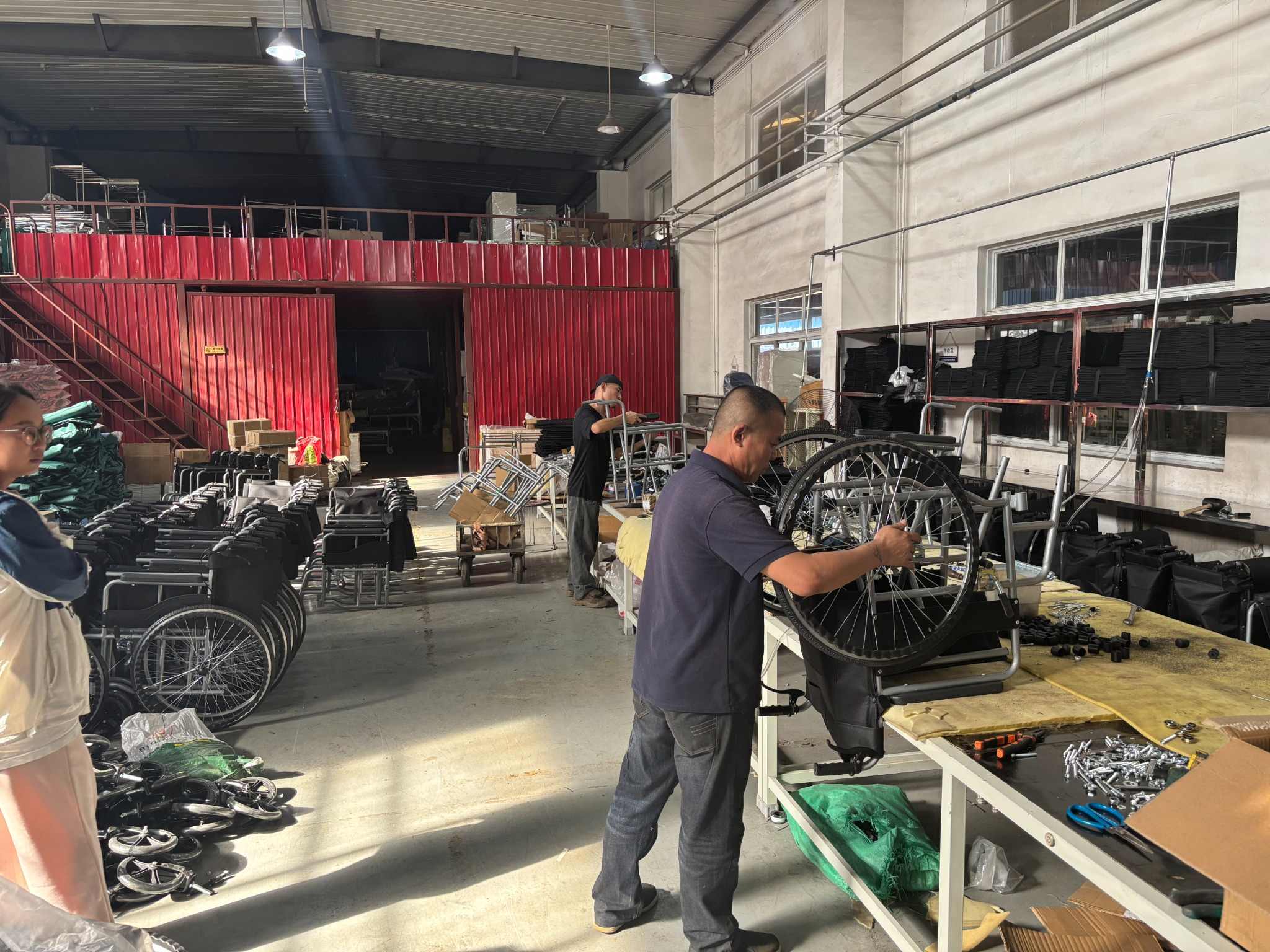
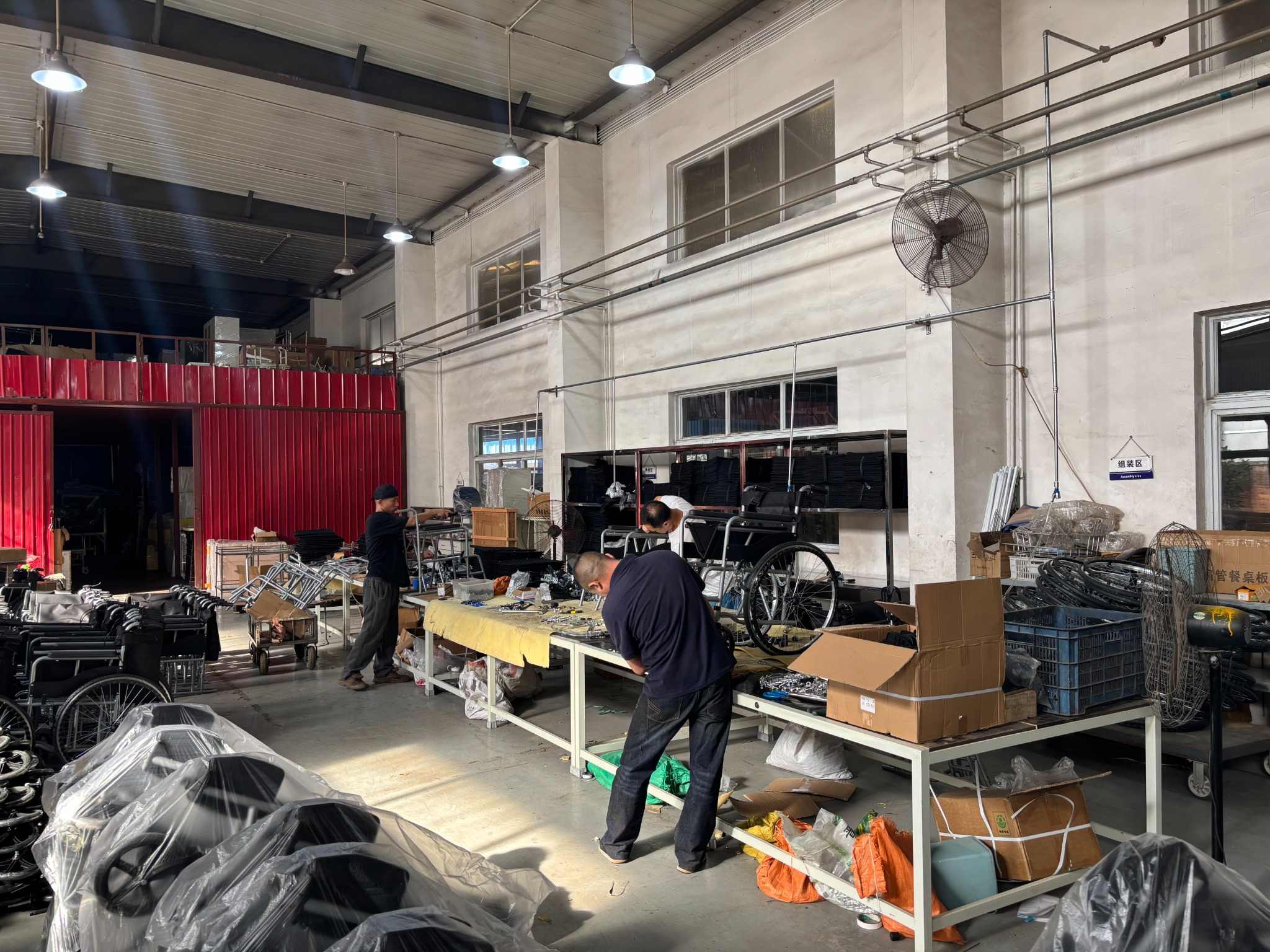
>> 2. Frame Assembly and Mechanical Installation
● The Human Side of Mass Production
>> Suggested Visual Content for Your Independent Website
● Why Bulk Buyers Choose a Specialized Wheelchair OEM Manufacturer
>> Reliable Product Consistency
>> Flexible OEM and ODM Support
>> Better Supply Chain Coordination
>> After-Sales and Spare Parts Planning
● A Practical Buyer's Checklist for a 500-Unit Wheelchair Order
>> Before Confirming the Order
● How Tianjin Kangli Supports International OEM Cooperation
● What This 500-Unit Case Demonstrates
● Build Your Next Wheelchair Product Line with a Reliable OEM Partner
>> 1. Can Tianjin Kangli manufacture wheelchairs under our brand?
>> 2. Is a 500-unit order suitable for OEM production?
>> 3. What should we confirm before ordering bulk wheelchairs?
>> 4. How can we verify wheelchair quality before shipment?
>> 5. Can wheelchair specifications be customized for different markets?
>> 6. Does the manufacturer provide spare parts and after-sales support?
>> 7. What images should be added to this case-study page?
How can I start an OEM partnership with your factory?
We recommend an initial technical consultation to review your design specifications. Please contact our dedicated B2B team at [Yukili90@tjkangli.com] to discuss your product requirements.
Let’s build excellence together. Whether you need a quote for a large-scale project or want to explore private labeling opportunities for our 5-function medical bed series, we are here to support your success. Click here www.klmedbed.com to connect with our B2B team and start your customized manufacturing journey today.
A wheelchair is not simply a mobility product. For the person who depends on it, it can represent independence, dignity, and the ability to participate in everyday life. For a healthcare brand or distributor, every wheelchair also represents something important: product reliability, customer trust, and brand reputation.
At Tianjin Kangli Medical Equipment, our production team is currently completing and packing an order of 500 wheelchairs for an international customer. This project offers a practical look at how a professional medical equipment manufacturer manages bulk wheelchair production, quality inspection, assembly, packaging, and OEM cooperation.
For overseas brand owners, wholesalers, importers, and medical equipment manufacturers, the case demonstrates why choosing a dependable wheelchair OEM manufacturer in China requires more than comparing unit prices. It requires confidence in production discipline, communication, documentation, and after-sales support.
> Case note: The 500-unit order and packing activity described in this article are based on the project information provided by the client. Product specifications, destination market, certification status, delivery date, and customer identity should be verified before publication.
Please watch the video showing the workers preparing for the shipment of 500 sets of wheelchair packaging products.
Bulk production is not simply the process of making the same product many times. It is the process of ensuring that every unit meets the same agreed specification.
When an order reaches 500 units, small inconsistencies can quickly become large commercial problems. Differences in frame alignment, wheel installation, upholstery, brake adjustment, or packaging may lead to:
- Increased inspection and rework costs.
- Delayed shipment schedules.
- Higher after-sales service requirements.
- Difficulties during hospital or distributor acceptance inspections.
- Damage to the importer's brand reputation.
Our production approach focuses on establishing a clear standard before mass manufacturing begins. The approved sample, technical drawings, material list, color requirements, logo placement, packaging method, and inspection points become the reference for the complete order.
This is especially important for private-label wheelchair projects, where the product is sold under the customer's own brand. In this type of partnership, quality consistency is not only a factory responsibility. It is part of the brand promise made to the final customer.

From the outside, a finished wheelchair may look simple. In reality, it involves multiple components and production stages that must work together accurately.
Before assembly begins, the production team prepares the main parts required for the order. Depending on the selected model, these may include:
- Steel or aluminum frame components.
- Front casters and rear wheels.
- Hand rims and push handles.
- Armrests and footrests.
- Seat and back upholstery.
- Braking components.
- Fasteners, bearings, and adjustment hardware.
- Cartons, protective materials, manuals, and labels.
The purpose of preparation is to reduce interruptions during assembly. It also helps the factory verify whether the components match the approved product specification before they enter the production line.
The frame is the foundation of a manual wheelchair. Its geometry affects stability, folding performance, maneuverability, and user safety.
During assembly, workers install and check:
- Cross-brace or frame connections.
- Rear wheel axles.
- Front caster forks.
- Brakes.
- Armrests.
- Footrests.
- Seat and backrest supports.
Experienced workers can identify details that may not be obvious in a basic visual inspection. For example, a component may be technically installed but still require adjustment to ensure that the wheel rotates smoothly or the brake engages correctly.
A wheelchair should be inspected as a working mobility device, not just as an assembled product.
Typical checks may include:
| Inspection Area | What the Team Reviews |
|---|---|
| Wheel rotation | Smooth movement without abnormal resistance |
| Braking system | Brake engagement and release |
| Frame structure | Alignment, welding appearance, and stability |
| Folding mechanism | Smooth opening and closing |
| Armrests and footrests | Secure installation and movement |
| Upholstery | Tension, stitching, surface finish, and cleanliness |
| Hardware | Tightness of screws, nuts, and bolts |
| Appearance | Scratches, coating defects, and visible damage |
| Packaging | Protection, labeling, and carton integrity |
The exact inspection plan should be agreed with the buyer and adapted to the product design, destination market, and applicable regulatory requirements.
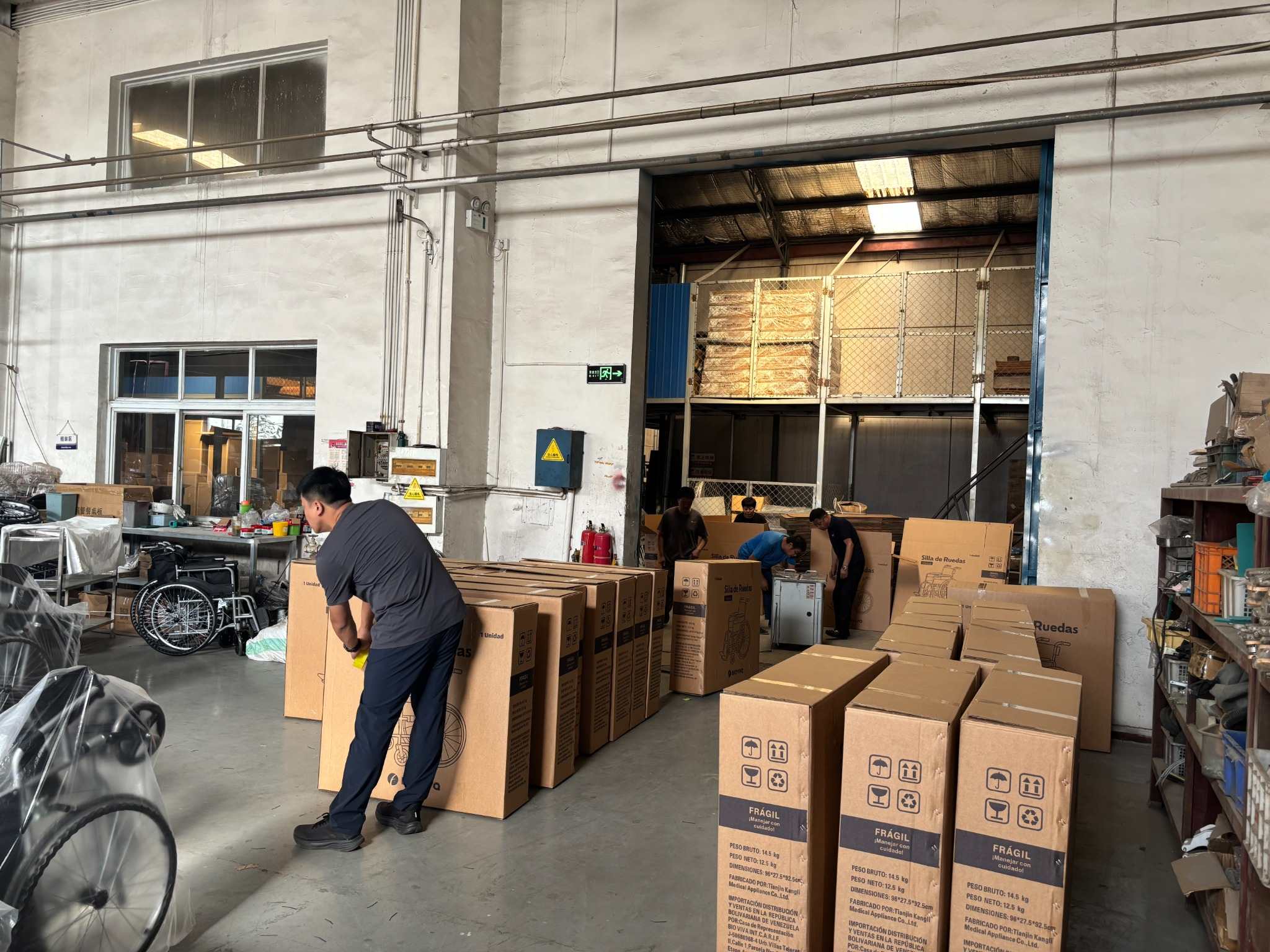
Photographs of workers assembling and packing 500 wheelchairs show an important part of the manufacturing story: people are responsible for turning technical specifications into usable products.
Automation can improve efficiency, but trained workers remain essential for tasks involving judgment, adjustment, appearance, and final handling. A production worker may notice that a brake feels different, that upholstery tension is uneven, or that a carton does not provide sufficient protection.
From a manufacturer's perspective, a strong production team needs:
- Clear work instructions.
- Defined inspection standards.
- Proper tool management.
- Training for assembly and safety procedures.
- Traceability for production batches.
- Communication between production and quality-control teams.
For an overseas buyer, this human element matters. It provides insight into whether a factory treats manufacturing as a controlled process or simply as a race to complete units.
To improve user experience and demonstrate manufacturing authenticity, consider adding the following media:
1. Factory-floor photograph: Workers assembling wheelchair frames.
2. Packing-line photograph: Finished wheelchairs being protected and placed into cartons.
3. Close-up image: Wheel locks, casters, hand rims, or folding mechanisms.
4. Short production video: From assembly to final inspection.
5. Process infographic: Order confirmation → sample approval → production → inspection → packing → shipment.
All images should be authentic, dated where appropriate, and described with accurate captions. Avoid using generic stock photos if the article is presented as a real production case study.
A successful bulk order depends on more than production capacity. Overseas brand owners and wholesalers also need a supplier who can support their commercial and operational objectives.
A professional factory should be able to reproduce the approved sample across the full order. This requires controlled materials, repeatable assembly procedures, and documented inspection points.
Different markets may require different product configurations. An OEM/ODM wheelchair manufacturer may support:
- Private-label logos.
- Custom carton printing.
- Product color selection.
- Seat width and upholstery options.
- Different wheel and caster configurations.
- Accessory selection.
- User manuals and labels in local languages.
- Market-specific packaging requirements.
Not every customization is suitable for every product. A responsible manufacturer should explain the effect of changes on cost, lead time, testing, packaging, and compliance.
For a 500-unit order, coordination is essential. Buyers may need information about:
- Production schedules.
- Component availability.
- Packaging dimensions.
- Gross and net weight.
- Carton quantity.
- Loading plans.
- Shipping documents.
- Spare parts.
- Inspection arrangements.
Clear information allows importers to calculate landed cost and prepare their own warehouse and distribution plans.
Wheelchairs are used in hospitals, clinics, nursing facilities, rental programs, and home-care environments. Even a durable product may eventually require replacement parts.
Before placing a bulk order, buyers should ask about:
- Spare wheels and casters.
- Brake components.
- Footrests and armrests.
- Fasteners and bearings.
- Repair instructions.
- Warranty terms.
- Technical support.
- Replacement-part availability.
A strong OEM partnership continues after the container leaves the factory.
If you are planning a bulk wheelchair purchase, the following checklist can help reduce avoidable risks.
1. Define the intended market.
Identify whether the wheelchairs are for hospitals, home care, rehabilitation centers, rental services, or retail distribution.
2. Confirm product specifications.
Record frame material, seat width, wheel type, brake design, upholstery, folding method, and accessories.
3. Approve a pre-production sample.
Do not rely only on photographs. Review a physical sample whenever possible.
4. Confirm branding requirements.
Specify logo files, logo position, carton artwork, labels, manuals, and color references.
5. Clarify quality standards.
Agree on inspection procedures, acceptable appearance limits, functional tests, and packaging requirements.
6. Review regulatory responsibilities.
Determine which party is responsible for product registration, technical documentation, labeling, and importer obligations in the destination country.
7. Plan logistics.
Confirm carton dimensions, loading quantity, shipping terms, destination port, and required documents.
- Request progress updates at agreed milestones.
- Review photographs or videos of production when appropriate.
- Confirm that any approved changes are documented.
- Arrange pre-shipment inspection if required.
- Check packing lists and shipping marks before loading.
- Inspect cartons upon arrival.
- Record any transport damage with photographs.
- Sample-check units against the approved specification.
- Keep spare parts and service instructions available.
- Collect distributor and end-user feedback for future improvements.
At Tianjin Kangli Medical Equipment, we understand that international OEM cooperation depends on long-term trust. A factory must be able to communicate clearly, manufacture consistently, and respond professionally when technical or logistical questions arise.
Our cooperation model can support overseas partners through:
| Cooperation Stage | Support Focus |
|---|---|
| Initial consultation | Product requirements, target market, order volume, and customization |
| Sample development | Product configuration and branding confirmation |
| Production planning | Materials, schedule, assembly, and packaging |
| Quality control | Appearance, function, structure, and packing checks |
| Export preparation | Product information, packing details, and shipping coordination |
| After-sales support | Manuals, spare parts, and technical communication |
For brand owners, the value of an OEM supplier is not limited to manufacturing. The right partner can help transform a product concept into a repeatable, market-ready mobility solution.
---
The most meaningful result of a bulk order is not the number 500 by itself. The deeper value lies in what the project demonstrates:
- The factory can organize a substantial production task.
- Workers are actively involved in assembly and packing.
- The order requires coordination across materials, production, inspection, and logistics.
- A structured process is necessary to protect product consistency.
- International customers benefit from a supplier capable of supporting repeat orders.
However, responsible case-study publishing requires accuracy. If you use this article on your website, add verifiable project details such as the wheelchair model, order date, destination market, approved specifications, inspection results, and customer feedback—only with the client's permission.
This is how a factory story becomes more than promotional content. It becomes evidence of real manufacturing experience.
---
A wheelchair should help people move with greater confidence and independence. For an international brand, it should also support a dependable business model built on quality, service, and customer trust.
Whether you are a medical equipment brand owner, wholesaler, importer, or manufacturer seeking a long-term production partner, Tianjin Kangli can discuss your requirements for bulk wheelchair manufacturing, private-label products, and OEM/ODM cooperation.
Contact Tianjin Kangli Medical Equipment today to request product information, discuss your target market, and explore a customized wheelchair manufacturing solution.
---
Yes. OEM cooperation may include private-label logos, custom packaging, product labels, manuals, and selected configuration changes, subject to technical review and order requirements.
A 500-unit order can be suitable for many OEM projects, but the appropriate quantity depends on the product model, customization level, materials, packaging, and destination-market requirements. The factory should confirm the final MOQ and production plan before quotation.
Buyers should confirm the product specification, approved sample, logo and packaging requirements, inspection standard, delivery schedule, shipping terms, documentation, warranty, and spare-parts plan.
You can request a pre-production sample, production photographs, inspection records, and a pre-shipment inspection. Functional checks should cover the brakes, wheels, folding mechanism, frame stability, footrests, armrests, upholstery, and packaging.
Many features may be customizable, including branding, colors, upholstery, accessories, labels, and packaging. Structural or functional changes should be reviewed by the manufacturer because they may affect safety testing, cost, lead time, and regulatory requirements.
Spare-parts and technical support should be confirmed as part of the OEM agreement. Common service items may include casters, rear wheels, brakes, footrests, armrests, bearings, and fasteners.
Use authentic factory images showing assembly, inspection, packing, finished products, and workers in production. A short video and process infographic can further strengthen transparency and user engagement.
---
1. Tianjin Kangli Medical Equipment Official Website — Company and product information should be linked to the specific official pages available on your website: [https://www.klmedbed.com/]
2. Project information supplied by the client — The 500-wheelchair order and current factory packing activity. Add the order number, date, model, destination, and inspection records if these details are approved for public use.
3. Internal production records — Recommended supporting materials include approved product specifications, pre-production sample records, quality-control checklists, packing lists, and shipment documents.
4. Customer feedback — Add verified comments, photographs, or testimonials only with the customer's written permission and without altering the original meaning.
5. Destination-market regulations — Confirm applicable medical-device, labeling, electrical, packaging, and import requirements with the relevant authority in the target country before making compliance claims.


