

Views: 120 Author: kangli Publish Time: 2026-10-26 Origin: Site


Content Menu
● Custom Hospital Beds: OEM & Private Label Solutions for Medical Equipment Distributors
>> What Do OEM and Private Label Hospital Bed Solutions Include?
>> Why Distributors Choose Custom Hospital Beds
● What Can Be Customized in an OEM Hospital Bed?
>> 1. Bed Model and Adjustment Functions
>> 2. Frame, Panels, and Colors
>> 3. Logo, Labels, and Manuals
>> 4. Electrical Configuration
>> 5. Accessories and Product Bundles
>> 6. Packaging and Export Presentation
● How to Develop a Custom Hospital Bed: An OEM Workflow
● Documentation, Quality, and Market Readiness
● How to Evaluate an OEM Hospital Bed Manufacturer
● Common OEM Sourcing Mistakes to Avoid
>> 1. What is the difference between OEM and private label hospital beds?
>> 2. What can distributors customize?
>> 3. Do custom hospital beds require a minimum order quantity?
>> 4. How should we approve an OEM sample?
>> 5. Who is responsible for regulatory compliance?
>> 6. Can we order spare parts with the first bed shipment?
>> 7. What information should we provide for an OEM quotation?
● Partner with Tianjin Kangli Medical Instrument
>> References
How can I start an OEM partnership with your factory?
We recommend starting with an initial technical consultation to review your design specifications, target market, required functions, quantity, and customization needs.
Please contact our dedicated B2B team by email at Yukili90@tjkangli.com or chat with us directly on WhatsApp: +86 136 5207 7555.
WhatsApp:
Let’s build excellence together. Whether you need a quotation for a large-scale hospital project, want to develop a private-label product, or are exploring OEM/ODM opportunities for our 5-function medical bed series, our team is ready to support you from product selection and technical confirmation to production and delivery.
Visit www.klmedbed.com or contact us via WhatsApp to start your customized manufacturing project today.
Custom hospital beds help medical-equipment distributors build a product range aligned with their brand, target market, and customers' needs. Through OEM and private label hospital bed manufacturing, buyers can specify bed functions, colors, logos, accessories, documentation, and packaging—while coordinating these requirements with a qualified manufacturing partner.
For overseas brands, wholesalers, and medical-equipment manufacturers, successful customization starts with a clear product specification—not simply adding a logo to a standard bed. Buyers should define the intended use, technical configuration, destination market, quality requirements, and after-sales plan before approving production.
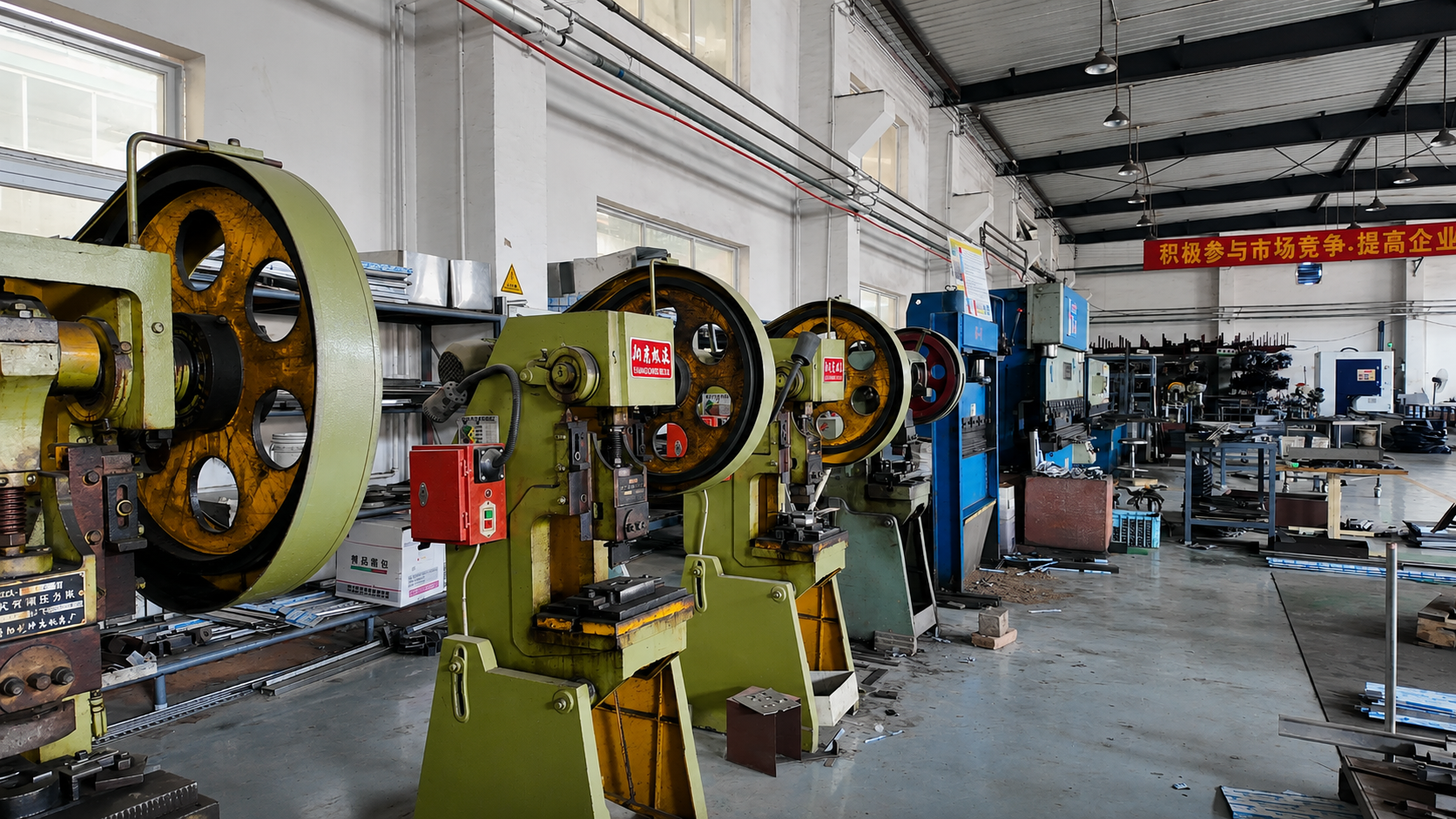
The terms OEM, private label, and ODM can overlap in sourcing. Clarify the project scope with each supplier.
| Project model | Typical arrangement | Suitable for |
|---|---|---|
| OEM manufacturing | The manufacturer produces beds according to the buyer’s specifications and branding requirements | Established brands and distributors with defined product needs |
| Private label | An existing product is sold under the buyer’s brand, often with selected customizations | Businesses seeking a branded product with a shorter development process |
| ODM development | The manufacturer offers a design that can be adapted for the buyer | Buyers seeking a faster route to market with design support |
For hospital beds, customization may cover the model, adjustment functions, side rails, controls, colors, labels, manuals, accessories, and export packaging. The available options depend on the product platform and project requirements.
A customized hospital bed range can help a distributor:
- Differentiate its catalog from generic products
- Build consistent brand identity across product categories
- Adapt specifications to local customer demand
- Offer products for different care settings and budgets
- Coordinate accessories, documentation, and packaging
- Develop a repeatable platform for future orders
Customization alone does not guarantee product quality, safety, or regulatory compliance. Each feature should address a defined customer need and be verified against the product specification and destination-market requirements.
Start by defining the bed type and functions required. Depending on the available platform, options may include manual, semi-electric, or fully electric adjustment; backrest and knee-section movement; height adjustment; and other model-specific functions.
Do not rely on labels such as "3-function" or "5-function" alone. Request a function-by-function specification showing what moves, how each function is controlled, and what is included in the quoted model.
Depending on the design, OEM customization may include:
- Frame finish or coating color
- ABS panel color
- Headboard and footboard style
- Side-rail design
- Surface texture or gloss level
- Selected material or component options
Provide a color reference where possible, then approve a sample of the actual finished component. Materials and surface textures can make the same color appear different.
Branding may include a logo on the headboard, footboard, side rail, or another suitable surface. Specify the artwork, position, dimensions, color, and marking method.
Also define:
- Product model and identification
- Warning and operating labels
- Manual language and format
- Brand or distributor contact information
- Carton markings and shipping labels
Branding should not cover safety information or required product identification.

For electric hospital beds, specify the destination market and confirm:
- Rated voltage and frequency
- Plug type and power cord
- Motor and control-system configuration
- Handset or caregiver control panel
- Battery backup, if required
- Electrical labels and documentation
Electrical and regulatory requirements vary by market. Confirm the applicable pathway with qualified compliance specialists rather than assuming that one configuration or document is suitable worldwide.
A distributor can create different packages around a bed platform. Options may include:
- Mattress
- IV pole
- Drainage hooks
- Lifting pole
- Overbed table
- Bedside cabinet
- Additional handset
- Battery backup
- Selected spare parts
Confirm that each accessory is compatible with the bed, mattress, rails, and intended use. Request itemized pricing for included and optional items.
Packaging supports product protection, warehouse handling, and brand presentation. Discuss:
- Export carton, pallet, or crate design
- Protective materials for panels and controls
- Palletization and loading plan
- Package dimensions and gross weight
- Branded cartons and shipping marks
- Accessory packing and installation labels
Confirm that the approved packaging will be used for mass production—not only for the sample.
A defined development process helps prevent avoidable changes after production begins.
1. Define the target market and buyer. Identify destination countries, care settings, and customer types.
2. Write the product brief. List bed functions, dimensions, mattress, rails, accessories, electrical requirements, and target price range.
3. Separate required and optional features. Mark which specifications are essential and which are upgrades.
4. Review technical documents. Request product drawings, specifications, available test records, and relevant documentation.
5. Request an itemized quotation. Separate the bed, accessories, customization, tooling, packaging, and delivery costs.
6. Approve a representative sample. Check functions, finish, branding, dimensions, and packaging.
7. Agree on quality criteria. Define inspection points, acceptance requirements, and how nonconformities will be handled.
8. Approve production documents. Confirm the final specification, artwork, labels, manuals, and carton details.
9. Arrange pre-shipment inspection. Compare production goods against the approved reference.
10. Plan after-sales support. Confirm spare parts, warranty procedures, service information, and repeat-order continuity.
OEM branding does not replace product documentation or market-specific conformity assessment. Before ordering, clarify which documents the manufacturer can provide and which responsibilities belong to the buyer.
Depending on the product and destination, discuss:
- Technical specifications and drawings
- Instructions for use and maintenance
- Electrical details for powered beds
- Inspection or test records
- Product labels and warnings
- Applicable conformity or market documents
- Spare-parts list and service guidance
Standards change. As of October 2026, search results indicate that IEC 80601-2-52:2026 has replaced IEC 60601-2-52:2009+A1:2015 for adult medical beds. Buyers should confirm the applicable edition, transition requirements, and conformity pathway for the exact product and destination market with qualified regulatory specialists. A standard reference by itself does not establish approval in every jurisdiction. [fbmsourcing] [caleronmedical]
When comparing suppliers, assess more than price and catalog range. Ask for specific information and written evidence.
| Evaluation area | Questions to ask |
|---|---|
| Product capability | Which bed models and customization options are available? |
| Engineering support | Can the supplier review specifications and drawings? |
| Quality process | What checks are performed during production and before shipment? |
| Sample approval | Can the sample represent the final mass-production configuration? |
| Documentation | Which product and test documents are available for review? |
| Production planning | What are the MOQ, lead time, and capacity assumptions? |
| After-sales support | Are spare parts, service information, and warranty procedures available? |
| Communication | Are changes, exclusions, and approvals documented clearly? |
Record approvals and changes in writing. Keep the approved drawings and specifications as the reference for production and inspection.
- Starting with logo design before defining product requirements
- Comparing quotations with different functions or accessories
- Assuming a catalog model meets every destination market's requirements
- Approving colors from screen images instead of finished samples
- Leaving manuals, labels, and packaging until the end
- Failing to document changes after sample approval
- Ordering without a spare-parts and warranty plan
- Treating a general standards statement as product-specific evidence
- OEM customization diagram: Show options for branding, color, controls, rails, and accessories.
- Product configuration table: Compare standard and customized bed packages.
- Sample approval photos: Illustrate logo placement, surface finish, and packaging checks.
- Short product video: Demonstrate adjustment functions using the exact model and accurate product details.
The terms can overlap. OEM generally describes production according to buyer specifications; private label usually means selling a manufacturer's product under the buyer's brand, sometimes with selected customization. Confirm the scope in the quotation and agreement.
Depending on the model, options may include logos, colors, labels, manuals, functions, rails, accessories, electrical configuration, and packaging. Availability, tooling, MOQ, and lead time vary by project.
Customization may affect MOQ, particularly for custom parts, colors, packaging, or tooling. Ask for standard and customized options to be quoted separately.
Compare the sample with the written specification. Test functions, dimensions, accessories, finish, branding, labels, and packaging. Record open issues and close them in writing before mass production.
Responsibilities depend on the product, destination market, and commercial arrangement. The buyer and manufacturer should agree on documentation and conformity responsibilities, with advice from qualified regulatory specialists.
Ask for a model-specific parts list, part numbers, compatibility information, lead times, prices, and warranty terms before confirming the order.
Share the target market, bed type, required functions, estimated quantity, mattress and rail requirements, electrical configuration, accessories, branding, packaging, and documentation needs.
Tianjin Kangli Medical Instrument works with international brands, wholesalers, distributors, and manufacturers on hospital-bed OEM projects. Send us your target market, preferred bed configuration, estimated order quantity, and customization requirements to discuss a suitable product specification and request a quotation.
- [IEC 80601-2-52:2026 medical-bed standard update] [fbmsourcing]
- [Hospital-bed standards overview and 2026 transition] [caleronmedical]


