

Views: 192 Author: kangli Publish Time: 2026-11-02 Origin: Site


Content Menu
● Why wheelchair packaging size matters in bulk shipping
● How carton dimensions affect container utilization
>> Calculate carton volume before comparing quotes
>> Compare theoretical volume with usable space
● Worked example: how smaller cartons can change shipment planning
● Packaging design choices that can improve bulk shipping
>> 1. Review whether the wheelchair can be packed more compactly
>> 2. Reduce avoidable empty space without weakening protection
>> 3. Design for stable stacking
● Container loading must balance space, weight, and cargo safety
● How to compare packaging options using landed cost
● OEM packaging checklist for wheelchair importers
>> Product and carton information
>> Approval and quality controls
● Common bulk-shipping mistakes to avoid
>> Mistake 1: Comparing container capacity using carton volume alone
>> Mistake 2: Reducing packaging before checking product protection
>> Mistake 3: Ignoring the outer carton dimensions
>> Mistake 4: Treating maximum theoretical container volume as a guaranteed load quantity
● A practical OEM workflow for packaging optimization
● How can a wheelchair OEM manufacturer support packaging planning?
>> Get a wheelchair packaging and loading review
>> 1. How do I calculate the volume of a wheelchair carton?
>> 2. Does a smaller wheelchair carton always reduce shipping costs?
>> 3. How many wheelchairs fit in a 40-foot container?
>> 4. Is floor-loading or palletizing better for wheelchair shipments?
>> 5. What information should I request from an OEM supplier?
>> 6. Can packaging be customized for a private-label wheelchair order?
>> 7. Who should confirm the final container loading plan?

For wheelchair brands, wholesalers, and importers, wheelchair container loading is not just a warehouse task. Packaging size affects how many units fit into a shipment, how well products are protected, and how much freight cost is allocated to each wheelchair. A carton that is only slightly oversized can reduce container utilization across hundreds of units.
As an OEM wheelchair manufacturer in Tianjin serving international business customers, we see packaging as part of product planning—not an afterthought. The best bulk-shipping plan balances carton dimensions, product protection, loading efficiency, handling requirements, and destination-market needs.
This guide explains how wheelchair packaging size affects container loading and freight costs, how to compare packaging options, and what to prepare before requesting an OEM quotation.
A wheelchair shipment is usually constrained by two factors: available space and permissible weight. In many wheelchair shipments, cartons reach the usable volume limit before they reach the container's maximum payload. That makes packaging dimensions a direct cost factor.
Every carton contributes to the shipment's overall "cube"—the total space occupied by the packaged products. If cartons are bulky, irregularly shaped, or difficult to stack, the container may have unused gaps even when the shipment appears full.
Packaging size influences:
- Units per container: Smaller, efficiently shaped cartons may allow more wheelchairs per load.
- Freight cost per unit: When the total shipment cost is divided among fewer units, the cost allocated to each wheelchair increases.
- Handling and protection: Cartons need enough space and protective material to help prevent damage during movement and transit.
- Warehouse and delivery operations: Carton dimensions affect storage, unloading, and onward distribution.
- Product presentation: Retail-ready packaging may require different dimensions from export cartons designed primarily for protection and efficient loading.
The goal is not simply to make cartons as small as possible. It is to find the smallest practical package that protects the approved product and works for the shipment's handling and distribution plan.
For a rectangular carton, calculate its external volume using:
Carton volume (m³) = length (m) × width (m) × height (m)
For example, a carton measuring 0.80 m × 0.32 m × 0.78 m has a volume of approximately 0.20 m³. A carton measuring 0.86 m × 0.36 m × 0.82 m is approximately 0.25 m³.
That difference may look small for one carton. Across a large order, it can materially affect the space required and the number of units that can be loaded.
Use the outer carton dimensions, not only the wheelchair's folded dimensions. Packaging adds protective materials and clearance. If pallets, skids, or other loading aids are used, include their dimensions in the calculation as well.
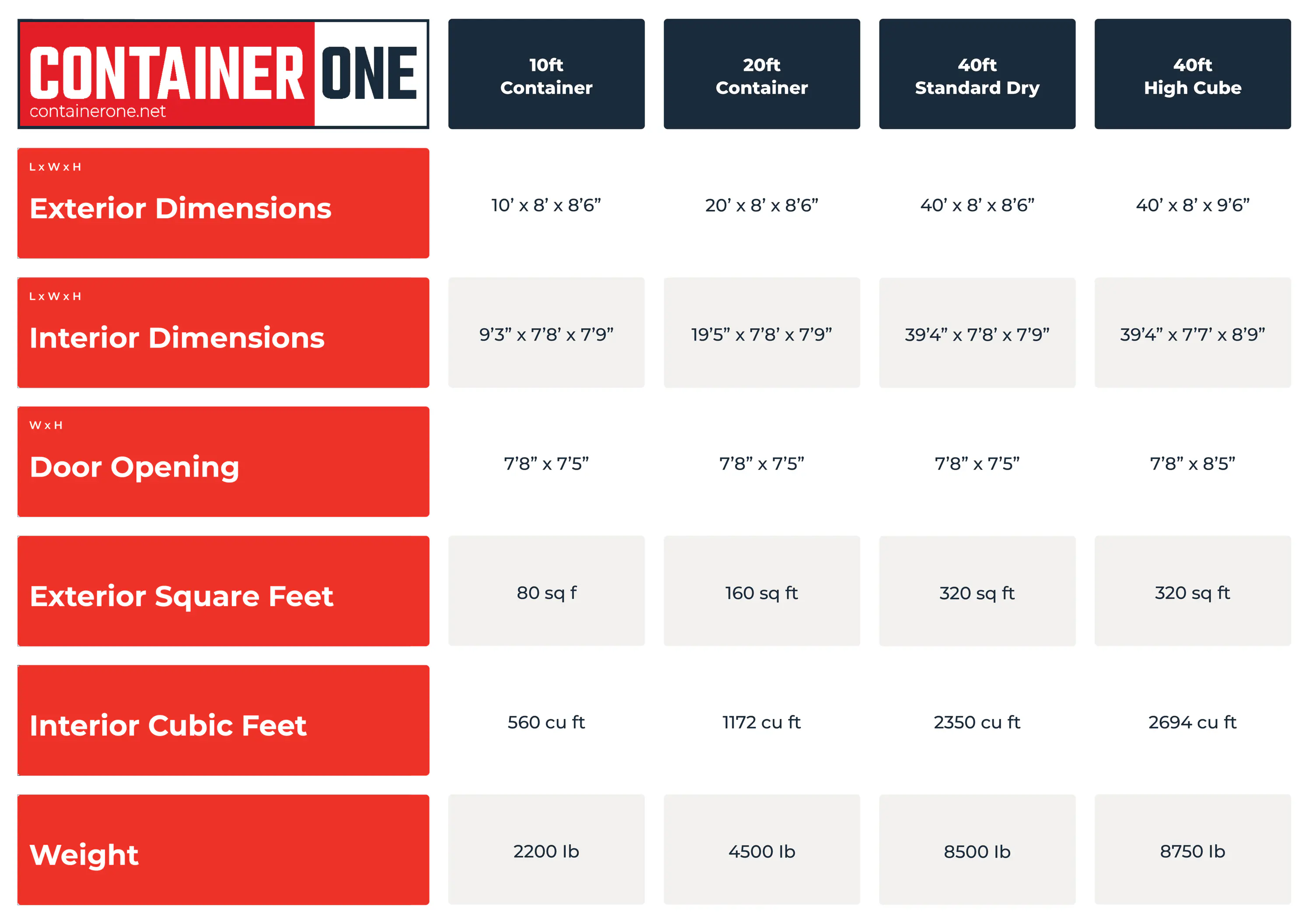
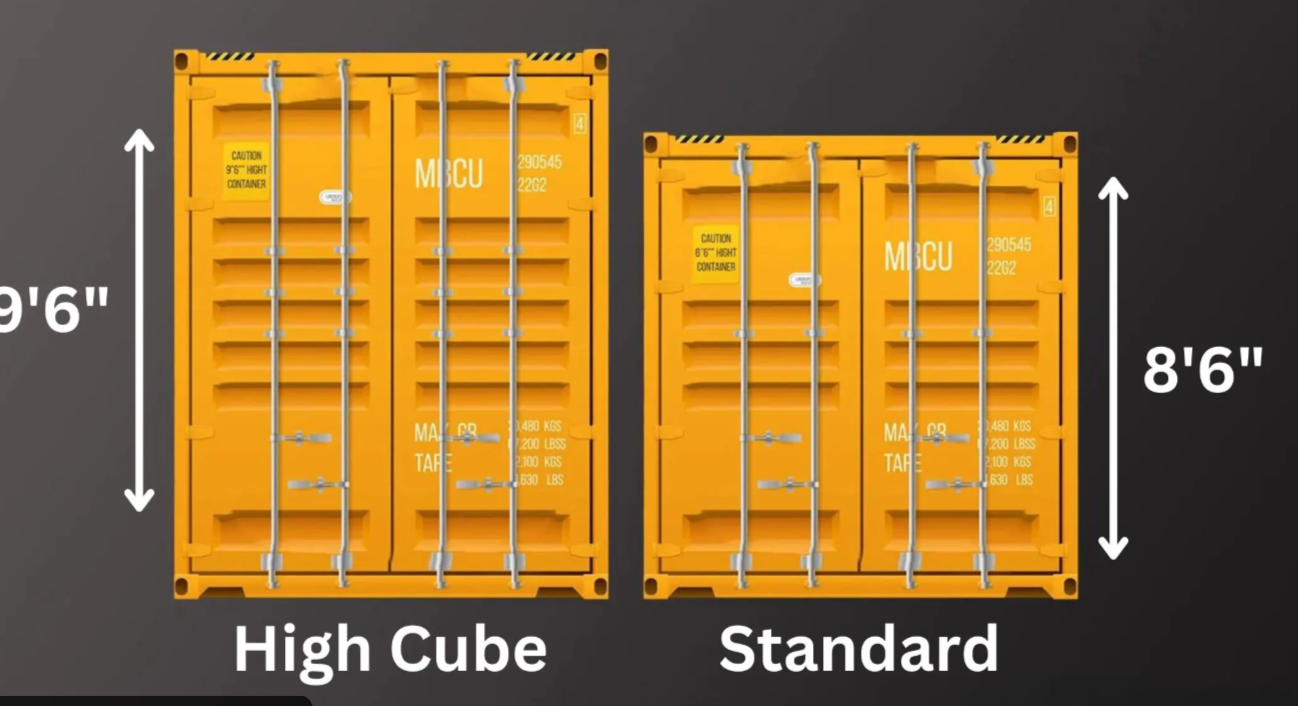
As a general reference, a standard 20-foot container has roughly 33 m³ of internal volume, a standard 40-foot container roughly 67 m³, and a 40-foot high-cube container roughly 76 m³. Actual internal dimensions and usable loading capacity vary by equipment, carrier, route, and loading method. [1](#S41) [1](#S39)
Theoretical capacity is not the same as practical capacity. A container cannot normally be filled perfectly to every interior surface. Loading has to account for:
- Door opening dimensions
- Carton shape and stackability
- Product weight and weight distribution
- Dunnage, securing materials, and loading equipment
- Pallet or floor-loading method
- Handling and unloading requirements
That is why dividing container volume by carton volume provides only an initial estimate, not a final load plan.
Consider two packaging options for the same wheelchair configuration:
| Packaging option | Carton dimensions | Approx. carton volume |
|---|---|---|
| Option A | 0.80 × 0.32 × 0.78 m | 0.200 m³ |
| Option B | 0.86 × 0.36 × 0.82 m | 0.254 m³ |
Option B uses approximately 27% more carton volume than Option A. This does not mean the container will carry exactly 27% fewer wheelchairs. The actual difference depends on carton orientation, stacking, clearances, container type, and loading method.
However, it does signal a potential opportunity. If the larger carton reflects unnecessary empty space, a packaging review could improve container utilization. If the additional space is required to protect a vulnerable component or preserve retail presentation, reducing it may not be advisable.
Practical takeaway: Ask your OEM supplier to provide confirmed carton dimensions, gross weight, net weight, units per carton, and the proposed loading method for each packaging option. Then ask a freight forwarder or loading specialist to confirm the container plan.
Depending on the wheelchair model and product requirements, buyers and manufacturers may review whether components can be folded, positioned, or secured more efficiently for packing.
Before changing the packing arrangement, confirm:
- The wheelchair remains protected from movement and impact.
- The package does not create pressure on vulnerable components.
- Assembly or unpacking instructions remain clear.
- The packing method is repeatable on the production line.
- The final configuration matches the approved product and packaging specification.
A compact pack should not rely on excessive force, unsafe disassembly, or undocumented steps. If packing changes affect the supplied configuration, update the product documentation and sample approval as needed.
Packaging engineers can review internal supports, inserts, and carton layout to identify unused space. The objective is space efficiency with adequate protection, not minimal material at any cost.
Potential review areas include:
- Unused clearance inside the carton
- Placement of wheels, footrests, or removable components
- The shape and thickness of protective inserts
- Carton orientation and stacking arrangement
- Whether packaging materials can be standardized across related models
Any design change should be checked against the actual product and distribution route. A carton suitable for one wheelchair model may not fit another, even when the models look similar.
Uniform cartons are generally easier to arrange than cartons with substantially different footprints. Stable stacking can reduce voids and make the loading plan easier to repeat.
When discussing stackability, confirm:
- Which carton faces may carry load
- Whether cartons can be stacked and, if so, under what conditions
- Whether the carton contains fragile or load-sensitive areas
- Whether pallets or other supports are part of the plan
- How cartons will be secured during transit
Do not assume that a carton can safely support the weight of another carton just because it is rectangular. The packaging specification should identify any stacking restrictions and handling marks relevant to the shipment.
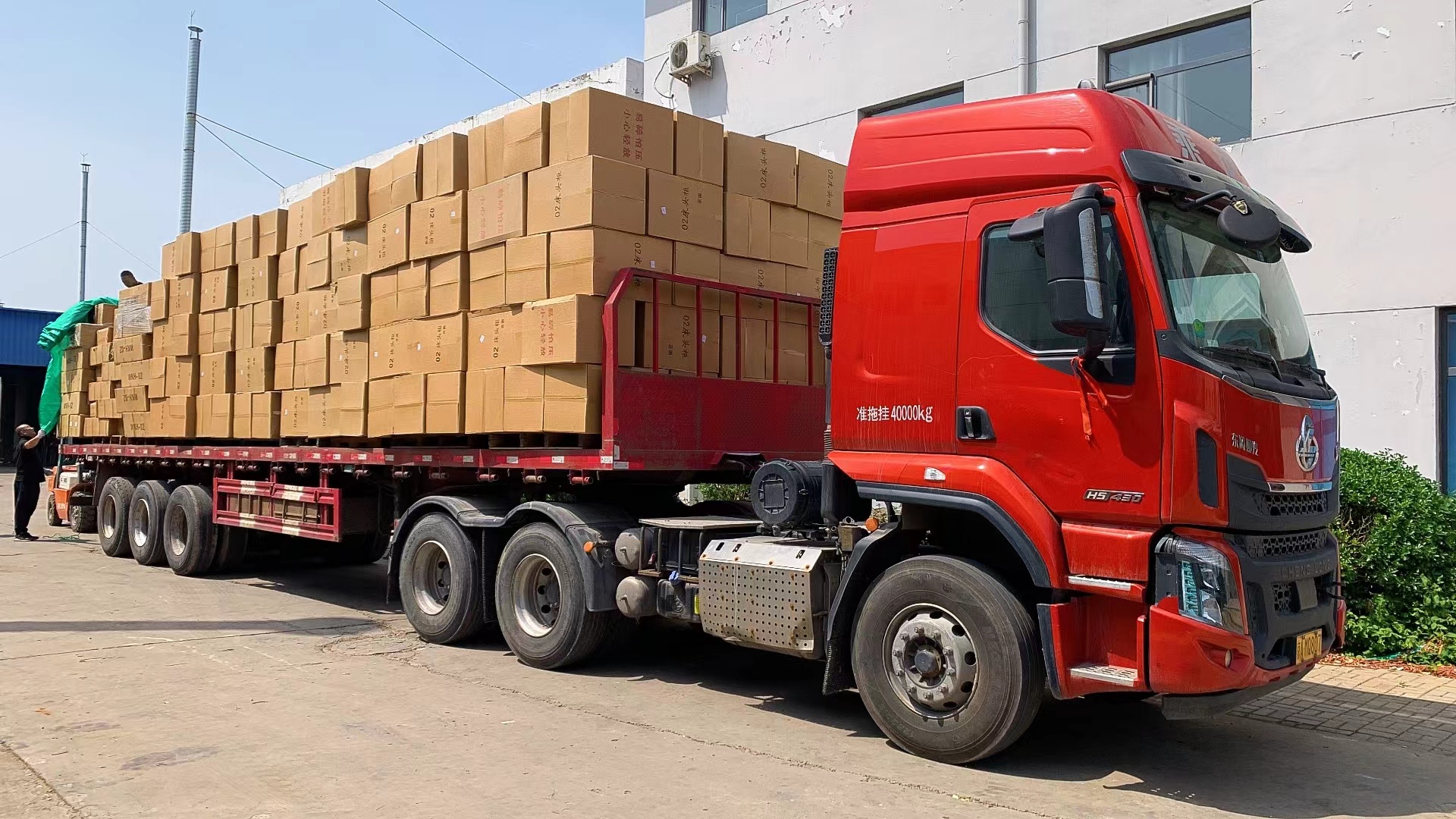
A high container fill percentage is not automatically a good loading plan. Cargo must be loaded and secured safely, with attention to weight distribution and the transport journey.
The IMO/ILO/UNECE CTU Code provides guidance for packing and securing cargo in cargo transport units across intermodal transport. It is intended for parties responsible for packing and securing cargo, as well as those receiving and unpacking it. [1](#S47)
For wheelchair shipments, buyers and logistics partners should consider:
- Weight distribution: Avoid a load plan that concentrates weight in an unsuitable area.
- Cargo restraint: Prevent cartons from shifting during handling and transport.
- Container condition: Confirm the container is suitable and ready for loading.
- Loading sequence: Plan how cartons will be loaded and unloaded, especially when delivery is split.
- Product protection: Avoid arrangements that expose cartons to crushing, moisture, or avoidable impact.
The carrier, freight forwarder, loading team, and shipper may each have responsibilities under their operating procedures and applicable rules. Confirm who owns the final loading plan rather than assuming that packaging dimensions alone determine safe loading.
A smaller carton may improve loading efficiency, but the most compact option is not always the cheapest overall. A useful comparison includes the full cost and operational impact of each packaging design.
| Cost or operational factor | Questions to ask |
|---|---|
| Freight allocation | How many units fit in the proposed load plan? |
| Packaging materials | Does the smaller design require more complex or costly protection? |
| Product damage risk | Is the product adequately protected in handling and transit? |
| Warehouse handling | Can cartons be safely handled with available equipment? |
| Retail or distribution needs | Does the packaging suit the buyer’s storage and delivery process? |
| Production consistency | Can the packing method be repeated reliably at scale? |
| Documentation | Do carton labels, packing lists, and manuals match the final configuration? |
A basic landed-cost comparison can be structured as:
1. Confirm the production quantity and packaging options.
2. Obtain carton dimensions and weights for each option.
3. Request a container loading estimate from the freight partner.
4. Compare estimated units per shipment—not just total container volume.
5. Include packaging, handling, and expected distribution requirements.
6. Review sample protection and packing repeatability before approval.
Freight rates change over time and differ by route, carrier, season, and service terms. For that reason, a general article should not be treated as a freight quote. Use a current shipment-specific quote when evaluating the financial impact of carton changes.
Before approving a wheelchair packaging design, ask your manufacturer to confirm the following in writing:
- Product model and configuration
- External carton length, width, and height
- Gross and net weight
- Units per carton
- Carton material and agreed protective components
- Proposed loading method
- Whether the shipment is floor-loaded or palletized
- Carton orientation and any stacking limits
- Any special handling or storage instructions
- Carton artwork and brand placement
- SKU, barcode, and product identification details
- Required language and destination-market information
- Packing list and documentation consistency
- Pre-production packaging sample approval
- Agreed inspection points
- Change-control process if carton dimensions change
- Confirmation that mass-production packaging matches the approved sample
This checklist creates a shared specification for the buyer, manufacturer, and logistics team. It also helps avoid a common problem: a product sample is approved, but the final carton dimensions or packing arrangement are never formally confirmed.

The volume calculation is useful, but it does not account for the container door, loading arrangement, weight distribution, or carton stability.
Better approach: Use carton volume for an initial estimate, then request a practical loading plan.
Smaller cartons can leave insufficient space for protective materials or place stress on parts of the wheelchair.
Better approach: Test the actual packed sample and confirm that product protection and unpacking remain acceptable.
A wheelchair's folded size is not the same as the packed carton size. Packaging, inserts, and accessories affect the final footprint.
Better approach: Base container planning on the finished export carton and include pallets or loading aids where applicable.
Internal volume does not tell you exactly how many cartons will fit. Practical loading depends on shape, orientation, access, and securing requirements.
Better approach: Have the shipment plan reviewed by the freight forwarder or loading team using confirmed carton data.
A reliable packaging project can follow these steps:
1. Share the target market and shipping route. Explain the intended order quantity and any distribution requirements.
2. Request current packaging specifications. Obtain external dimensions, weights, and packing details for the selected wheelchair.
3. Identify the cost or operational problem. For example, too few units per container, difficult warehouse handling, or excessive void space.
4. Review feasible packaging changes with the manufacturer. Separate changes to carton size from changes to the wheelchair configuration.
5. Evaluate and approve a packed sample. Inspect product protection, carton handling, labels, and unpacking.
6. Confirm the load plan with logistics partners. Check the planned quantity, weight distribution, and securing arrangements.
7. Freeze the production specification. Record the final carton dimensions and require written approval for subsequent changes.
This process is more dependable than optimizing for carton size alone. It connects the OEM specification to the actual shipping plan and the buyer's distribution needs.
 (已压缩)Certificate +iso & CE.pdf
A capable OEM partner should be prepared to discuss more than branding. Depending on the product and project scope, the manufacturer can help buyers review carton dimensions, packing arrangement, protective materials, carton artwork, and production consistency.
When requesting an OEM quotation, provide:
- Target order quantity
- Destination market and shipping route
- Preferred container type, if known
- Required brand and carton artwork
- Expected distribution or warehousing needs
- Any current carton-size or loading concerns
Ask the supplier to distinguish clearly between confirmed specifications and preliminary estimates. Final shipping capacity should be based on approved carton measurements and a shipment-specific loading plan.
Planning a bulk wheelchair order? Share your wheelchair model, target quantity, destination market, and current carton dimensions with Tianjin Kangli Medical Device. Our team can review your OEM packaging requirements and coordinate the information needed for a practical shipping estimate.
Contact us to discuss private-label wheelchair production, packaging specifications, and bulk-order planning before production begins.
Multiply the carton's external length, width, and height in meters. The result is the carton's approximate volume in cubic meters. For container planning, use the finished export-carton dimensions, not only the folded wheelchair dimensions.
No. A smaller carton may improve container utilization, but it must still protect the wheelchair and suit handling, storage, and delivery requirements. Compare the full packaging and logistics impact, not carton volume alone.
There is no universal quantity. The result depends on the wheelchair model, carton dimensions, loading method, container type, weight, and securing requirements. Request a load estimate based on the final packaging specification.
It depends on the shipment, handling equipment, distribution plan, and buyer's warehouse requirements. Compare the space used, handling process, product protection, and unloading needs before choosing a method.
Request the model and configuration, external carton dimensions, gross and net weights, units per carton, packaging details, and proposed loading method. Confirm which details are final and which are estimates.
Often, buyers can discuss carton artwork, labeling, packing materials, and other packaging requirements with the OEM manufacturer. Availability and feasibility depend on the product, order, and destination-market needs.
The shipper should coordinate with the manufacturer, freight forwarder, and loading team. The final plan should use confirmed cargo dimensions and weights and account for safe packing and securing guidance, such as the IMO/ILO/UNECE CTU Code. [1](#S47)
IMO/ILO/UNECE Code of Practice for Packing of Cargo Transport Units (CTU Code) — Guidance on safe packing and securing cargo in containers and other intermodal transport units.
Freightos: Shipping 20ft and 40ft Sea Containers — Reference information on common container dimensions and capacity. Actual equipment may vary.
FCL Container Sizes and Capacities: Complete Guide for Exporters — Additional reference values for common container types; confirm dimensions with the carrier or freight provider before shipment.
Editorial note: This article provides general OEM packaging and shipping-planning information. Container dimensions, freight pricing, loading conditions, and destination requirements vary. Confirm shipment-specific details with your manufacturer, carrier, freight forwarder, and relevant compliance professionals.


