

Views: 111 Author: kangli Publish Time: 2026-10-12 Origin: Site


Content Menu
● How Many Hospital Beds Fit in a 20ft or 40HQ Container?
>> Quick Estimate: Hospital Beds per Container
● Why 20ft and 40HQ Loading Quantities Differ
● What Determines How Many Hospital Beds Fit?
>> 1. Bed Model and Packed Dimensions
>> 4. Mattress and Accessories
● Packaging Options and Their Effect on Container Capacity
>> Semi-Knocked-Down Packaging
● How to Calculate a Realistic Loading Quantity
● Worked Example: Why Carton Data Matters
● Manual, Electric, and ICU Beds: Packaging Considerations
● Documents to Request from the Manufacturer
● Common Container-Loading Mistakes
● OEM Packaging and Container-Loading Support
>> 1. How many hospital beds fit in a 20ft container?
>> 2. How many beds fit in a 40HQ container?
>> 3. Does flat-pack packaging always allow more beds per container?
>> 4. Should mattresses be shipped with the beds?
>> 5. Is a 40HQ container always better value than a 20ft container?
>> 6. What information should I send to get an accurate loading estimate?
>> 7. Can an OEM manufacturer customize packaging for our brand?
● Conclusion: Confirm the Packing Plan Before Booking Freight
>> References
>> Related
How can I start an OEM partnership with your factory?
We recommend starting with an initial technical consultation to review your design specifications, target market, required functions, quantity, and customization needs.
Please contact our dedicated B2B team by email at Yukili90@tjkangli.com or chat with us directly on WhatsApp: +86 136 5207 7555.
WhatsApp:
Let’s build excellence together. Whether you need a quotation for a large-scale hospital project, want to develop a private-label product, or are exploring OEM/ODM opportunities for our 5-function medical bed series, our team is ready to support you from product selection and technical confirmation to production and delivery.
Visit www.klmedbed.com or contact us via WhatsApp to start your customized manufacturing project today.
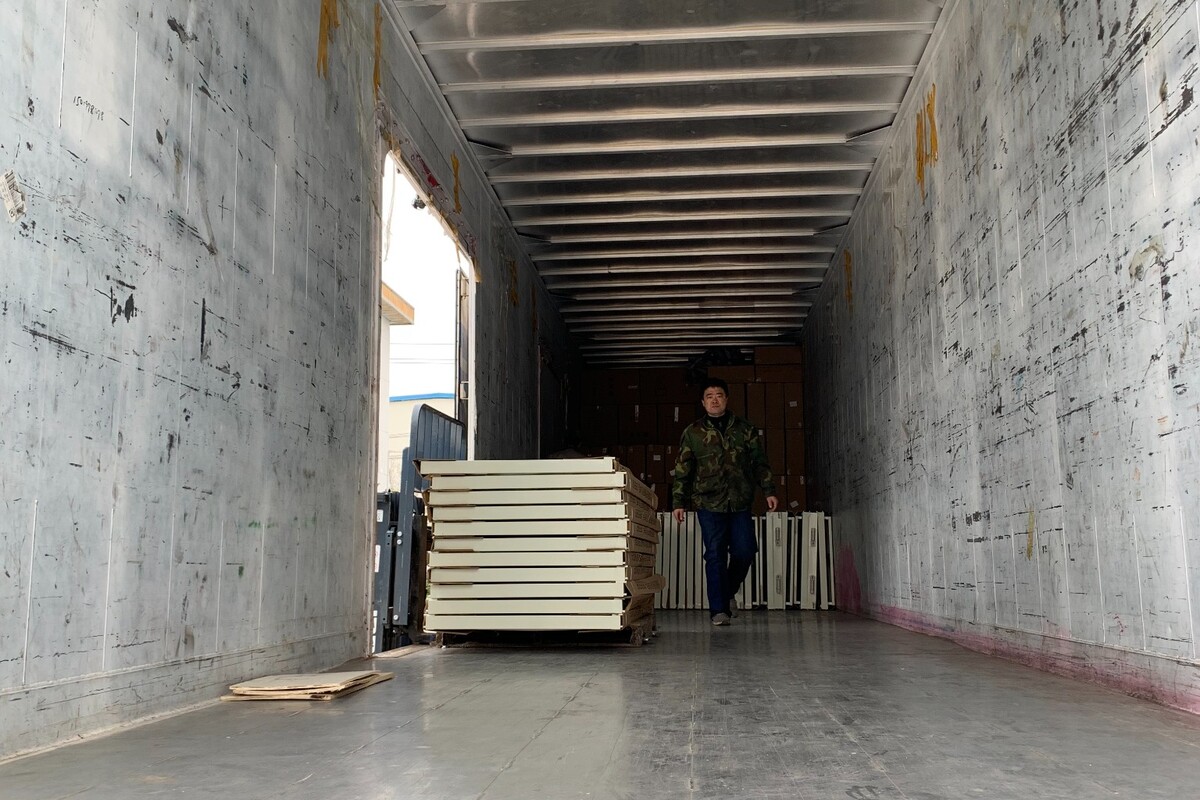
The number of hospital beds that fit in a 20ft or 40HQ container depends on the bed model, packed dimensions, packaging method, accessories, and container payload limit. A compact, flat-packed manual bed may allow more units per container than a fully assembled electric or ICU bed. Because packaging configurations vary by manufacturer, any quantity should be treated as an estimate until it is confirmed using the final carton dimensions and a loading plan.
For international brands, wholesalers, distributors, and hospital-project buyers, container planning affects freight cost per bed, delivery schedules, packaging protection, and landed cost. Tianjin Kangli Medical Instrument provides OEM and ODM hospital beds for overseas partners, including customized export packaging and loading-plan support.
> Planning note: The estimates in this article are indicative only—not a guaranteed loading quantity. Confirm the final count with the product's packed dimensions, container specification, payload limit, and freight forwarder.
The following ranges are useful for early planning. They assume typical export cartons and are not tied to a specific bed model.
| Product configuration | 20ft container | 40HQ container |
|---|---|---|
| Manual bed, compact or semi-knocked-down | About 20–28 | About 48–65 |
| Electric bed, semi-knocked-down | About 16–24 | About 40–56 |
| ICU bed, larger and more complex | About 6–10 | About 16–24 |
| Bed frame shipped in highly disassembled parts | Potentially more | Potentially more |
These ranges can shift substantially with packaging design, mattress inclusion, side rails, motor protection, pallets, and loading orientation. Do not use a generic "beds per container" figure for a purchase order without confirming the exact model and packing plan.
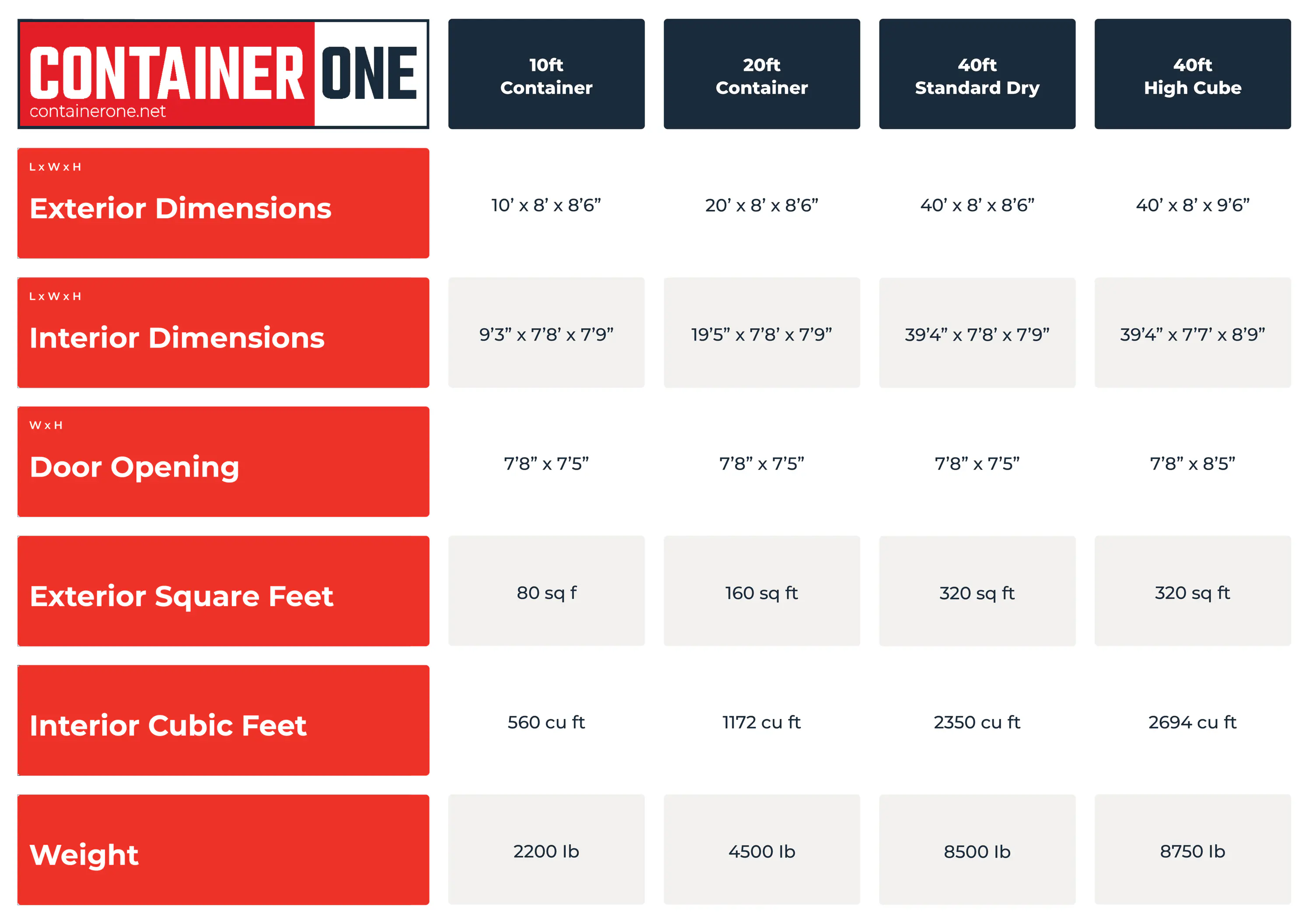
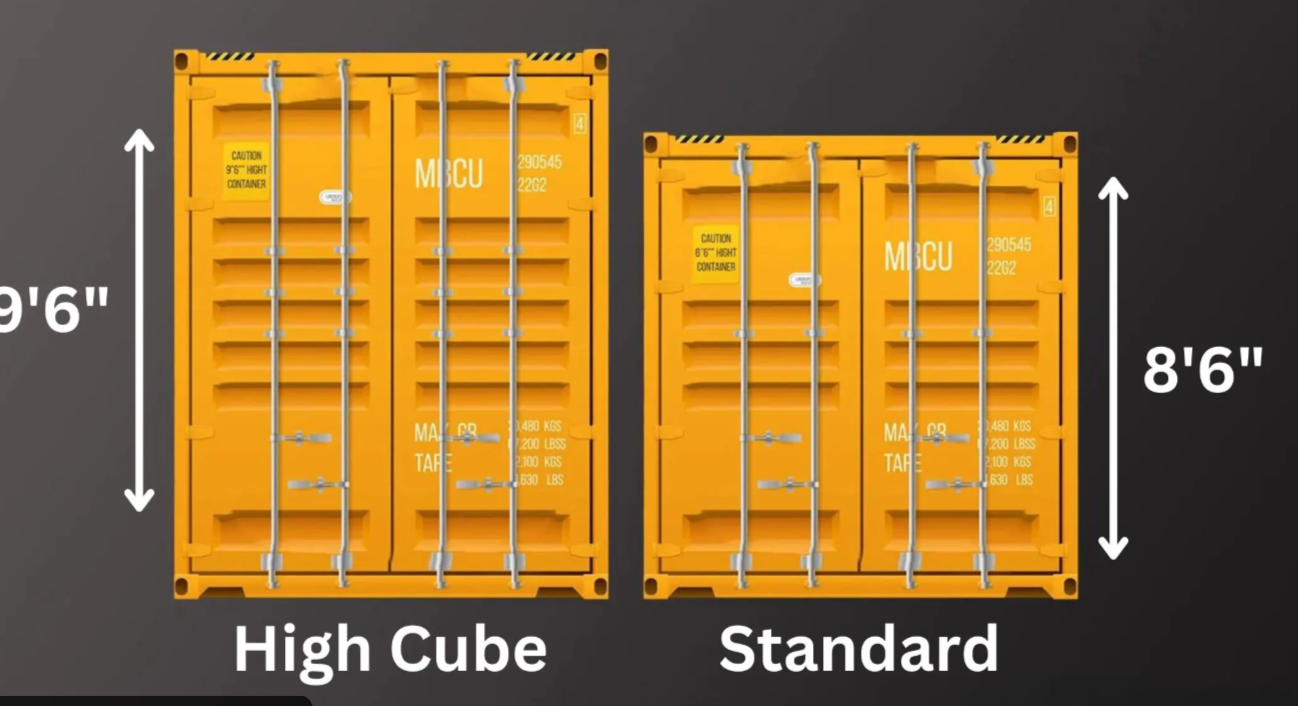
A 40HQ container is longer and taller than a standard 20ft container, but the usable capacity is not determined by volume alone. The actual number of beds is limited by carton geometry, door opening, loading sequence, payload, and safe cargo securing.
For a reliable estimate, consider:
- Internal container dimensions: Verify the dimensions of the actual container supplied by the carrier.
- Door opening: Packages must fit through the door, not merely inside the container.
- Carton dimensions: Use final packed measurements for every package.
- Payload: Heavy beds may reach the container's weight limit before using all available space.
- Stacking: Only stack cartons if the packaging is designed and tested to support it.
- Load restraint: Dunnage, straps, and blocking may use space but protect cargo.
- Access and unloading: The last units loaded may be the first or last units needed at destination.
Container specifications can vary by equipment provider and route, so buyers should ask their freight forwarder or carrier for the exact container dimensions and payload before finalizing the loading plan. [auctiontime] [euroauctions]
The assembled bed dimensions do not tell you how many units can ship. Ask the manufacturer for the dimensions and weight of every shipping package.
Request:
- Carton length, width, and height
- Number of packages per bed
- Net weight and gross weight
- Pallet dimensions, if applicable
- Whether cartons are stackable
- Whether parts can be nested
- Whether accessories ship separately
- Whether the mattress is included
A single bed may be packed in one large carton, several smaller cartons, or a carton plus accessory package. The arrangement changes the container layout.
A manual bed is generally simpler to pack than an electric or ICU bed. Electric beds have motors, cables, controllers, and sometimes batteries that need protection. ICU beds may add weighing systems, larger casters, X-ray components, accessory rails, and other equipment.
These components can increase:
- Package count
- Required protective material
- Total weight
- Handling restrictions
- Assembly requirements
- Space between cartons
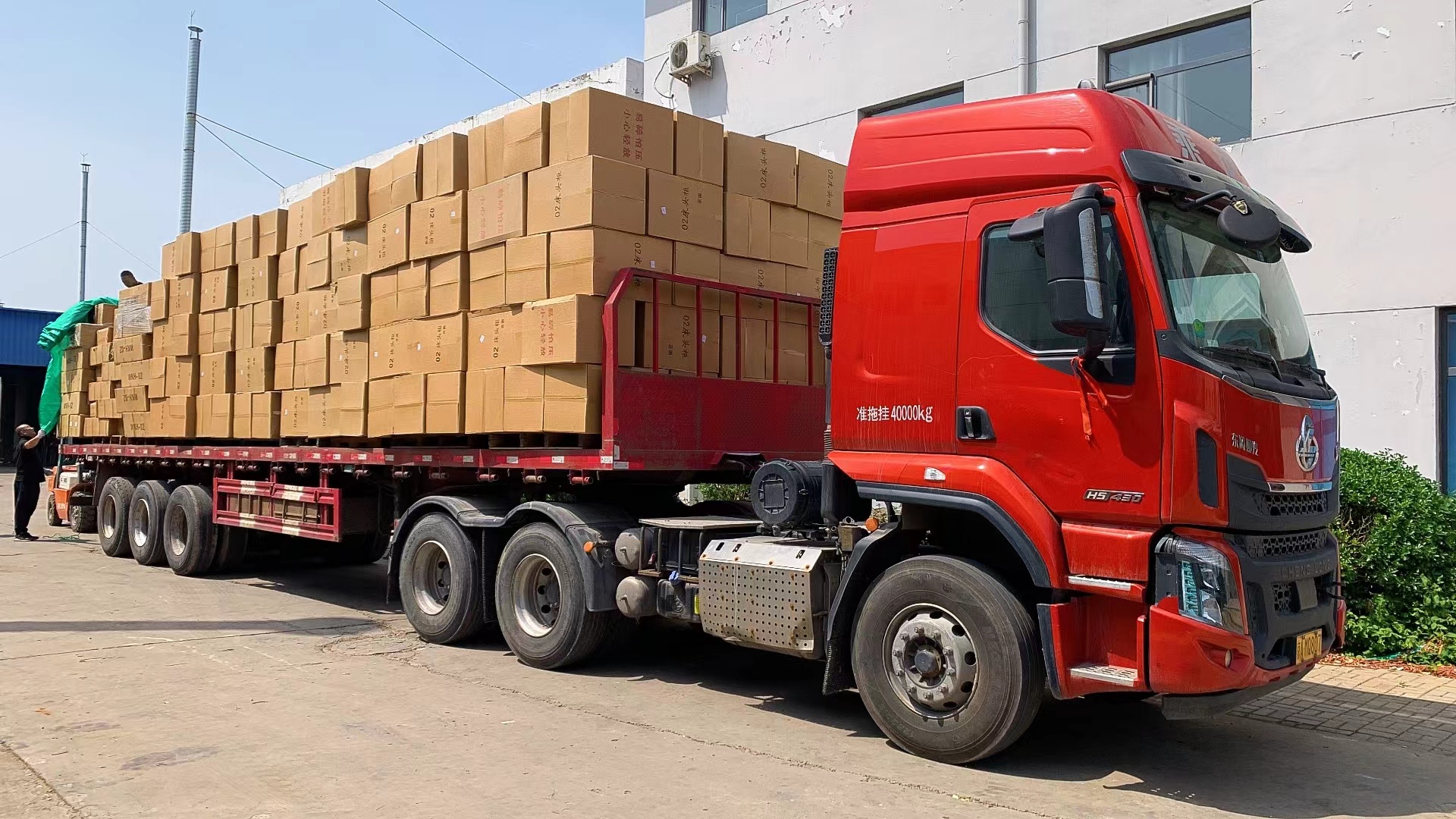
Packaging often makes the biggest difference to container utilization. A fully assembled bed may be quicker to install, but occupies more space. A semi-knocked-down or flat-pack design can improve loading efficiency, while requiring more assembly at destination.
Confirm whether the shipment includes:
- Mattress
- IV pole
- Overbed table
- Oxygen-cylinder holder
- Side rails
- Drainage-bag hooks
- Battery
- Remote control
- Spare parts
- Installation tools
Accessories may fit inside or beside the bed frame, but this should be agreed and shown in the loading plan. Do not assume that every accessory can be safely nested within the bed.
| Packaging method | Container utilization | Destination assembly | Protection |
|---|---|---|---|
| Fully assembled | Usually lowest | Minimal | Good if adequately protected |
| Semi-knocked-down | Moderate to high | Moderate | Good with component-specific packing |
| Flat-pack / highly disassembled | Often highest | More extensive | Depends on packing and handling |
| Palletized cartons | Lower than loose loading | Easier handling | Better forklift handling |
| Wooden crates | Usually lower | Varies | Higher protection for vulnerable loads |
This option minimizes assembly at the destination. It can be useful for projects where quick deployment is important or local technical labor is limited. Its drawback is that bulky beds may leave unused spaces in the container.
This is often a practical compromise. Components such as headboards, footboards, side rails, and accessories may be detached or arranged compactly. Buyers should check that the instructions, hardware, and component labels are clear.
Flat-pack packaging can increase the number of units per container, particularly for large-volume orders. It also increases the need for:
- Accurate assembly manuals
- Clearly identified parts
- Correct fasteners
- Local installation capability
- Training or video instructions
- Pre-shipment assembly validation
The manufacturer should verify that flat-pack efficiency does not compromise structural performance or safe assembly.
Pallets make forklift handling and warehouse management easier but consume container space. Wooden crates can provide additional protection for sensitive or high-value beds, although they add weight and may require export-compliant wood treatment. Confirm applicable packaging rules with the forwarder and destination authorities.
Use this process before issuing a purchase order.
1. Select the exact bed model and configuration. Confirm manual, electric, or ICU version; mattress; side rails; accessories; and branding.
2. Obtain final packing data. Request dimensions, weights, package count, and stacking instructions for each bed.
3. Confirm container details. Specify 20ft, 40ft, or 40HQ and obtain the carrier's actual internal dimensions, door opening, and payload limit.
4. Check the weight limit. Calculate total gross cargo weight, including packaging and accessories.
5. Create a loading diagram. Show carton orientation, layers, door clearance, load distribution, and securing materials.
6. Review unloading requirements. Consider local forklifts, labor, warehouse access, and installation sequence.
7. Approve a trial or validated plan. For large orders, request a 3D loading simulation or photographs from a trial load.
The loading count should be the lower of the space-based capacity and payload-based capacity, after allowing for safe loading and securing.
Suppose a hospital-bed shipment has cartons measuring 2.0 m × 0.9 m × 0.35 m. The carton volume is:
2.0 × 0.9 × 0.35 = 0.63 m³ per carton
A bed packed in two cartons therefore occupies 1.26 m³ of nominal carton volume. This is not enough to calculate the number of beds per container. The cartons may not tessellate perfectly, may not be stackable, and may require clearance for loading and securing. Their gross weight may also limit the payload.
This example shows why container volume divided by carton volume is only a theoretical ceiling, not a dependable shipping quantity.
Manual beds have fewer electrical components, which can simplify packing. Protect the crank, gearbox, caster brakes, and coated frame surfaces from impact and abrasion.
Electric models need specific protection for:
- Motors and actuators
- Control boxes
- Hand controllers
- Cables and connectors
- Batteries
- Emergency-release components
Ask whether the battery is installed or packed separately, and whether the control system has any shipping or storage requirements.
ICU beds are larger and heavier, and may have more sensitive or protruding components. The supplier should confirm packaging for weighing sensors, control panels, fifth wheels, X-ray platforms, and accessories. Do not sacrifice protection or safe handling merely to increase the loading count.
Before approving the shipment, ask for:
- Packing list with package count
- Carton dimensions and gross/net weights
- Product configuration list
- Container-loading plan or diagram
- Stacking and handling instructions
- Packaging photographs
- Spare-parts packing details
- Final commercial invoice and shipping marks
- Installation manual
- Pre-shipment inspection report, if required
For OEM orders, agree on carton artwork, labels, language, barcode, logo placement, and package identification before mass production.
Avoid these errors:
- Using assembled-bed dimensions instead of packed dimensions
- Relying on a general estimate from an earlier model
- Ignoring the container's payload limit
- Assuming all cartons can be stacked
- Forgetting mattresses and accessories
- Failing to protect motors or side-rail locks
- Overlooking door-opening dimensions
- Not planning unloading equipment
- Changing packaging after the loading plan is approved
- Booking freight before the final packing list is ready
A small change in carton height or accessory configuration can affect the final count. Keep the approved packing specification under version control.
For international brands and distributors, packaging is part of the product specification. A capable OEM partner should support:
- Customized export cartons
- Private-label marks and barcodes
- Multilingual manuals
- Model-specific packing
- Accessory kits
- Pallet or crate options
- Mixed-model container plans
- Loading photographs
- Spare-parts cartons
- Trial shipment coordination
At Tianjin Kangli Medical Instrument, buyers can share the bed model, order quantity, destination, and packaging preference to request a model-specific container-loading estimate. The final plan should be reviewed against the carrier's container data and local handling requirements.
- Insert a container-loading diagram after the quick-estimate table to show carton orientation and unused space.
- Add packaging photos comparing fully assembled, semi-knocked-down, and flat-pack hospital beds.
- Embed a short loading video showing safe lifting, stacking, and securing practices.
- Add a downloadable carton-data checklist for buyers planning 20ft or 40HQ shipments.
A planning estimate is around 20–28 compact manual beds, 16–24 semi-knocked-down electric beds, or 6–10 larger ICU beds. The final quantity depends on model, packaging, accessories, and payload.
A planning range may be 48–65 manual beds, 40–56 electric beds, or 16–24 ICU beds. These are indicative figures; confirm using the final packing dimensions and loading plan.
Usually it can improve space utilization, but not automatically. Carton shape, stackability, protection requirements, and container payload can limit the gain.
That depends on the project and logistics plan. Mattresses add volume and may require separate packing. Ask the manufacturer to quote and calculate both configurations.
Not necessarily. Compare freight rates, cargo weight, bed count, packaging, destination handling, and the risk of shipping excess inventory. The best option depends on the delivered cost per usable bed.
Provide the exact model, configuration, quantity, mattress and accessory requirements, packaging preference, destination port, and any pallet or unloading constraints.
Yes, subject to design confirmation, order quantity, artwork approval, and any relevant packaging requirements. Agree on carton dimensions and marks before production.
The answer to "How many hospital beds fit in a 20ft or 40HQ container?" depends on the exact bed, packaging method, carton layout, accessories, and weight limit. Use online estimates only for early planning. Before ordering, request final packing data and a model-specific loading plan.
Contact Tianjin Kangli Medical Instrument with your target bed model, order quantity, destination, and OEM requirements to request a hospital-bed quotation, packaging proposal, and container-loading estimate.
- [Container shipping equipment and dimension search reference] — Search result listing container types; consult the actual carrier for shipment-specific dimensions and payload.
- [Container product listing reference] — General container listings; exact technical specifications should be confirmed with the carrier or freight forwarder.


