

Views: 639 Author: kangli Publish Time: 2026-09-15 Origin: Site


Content Menu
● Hospital Bed Tender Documents: What Should a Manufacturer Provide?
● Why Complete Hospital Bed Tender Documents Matter
● Hospital Bed Tender Document Checklist
● 1. Manufacturer Company and Qualification Documents
>> Documents Manufacturers Should Provide
● 2. Quality-Management Documents for Hospital Bed Tenders
● 3. Product Technical Specification Sheet
>> Hospital Bed Technical Data Should Include
● 4. Product Drawings, Dimensions, and Installation Data
● 5. Regulatory and Conformity Documents
>> Documents Commonly Requested
● 6. Product Test Reports and Inspection Evidence
>> Hospital Bed Tests May Include
● 7. Bill of Materials and Critical Components
● 8. User Manuals, Service Manuals, and Training Materials
● 9. Warranty, Spare Parts, and After-Sales Commitments
>> Warranty Details to Include
● 10. Commercial and Logistics Documents
>> Commercial Information to Provide
>> Packaging and Shipping Details
● OEM and Private-Label Tender Documentation
● How Manufacturers Should Organize a Tender Submission
>> Recommended Folder Structure
>> Final Pre-Submission Review
● Common Tender Mistakes Manufacturers Should Avoid
>> Mistake 1: Submitting Generic Product Documents
>> Mistake 2: Using Inconsistent Model Numbers
>> Mistake 3: Hiding Optional Accessories
>> Mistake 4: Providing Expired Certificates
>> Mistake 5: Making Unsupported Claims
>> Mistake 6: Ignoring Translation and Local Labeling
>> Mistake 7: Treating Warranty as an Afterthought
● What International Buyers Should Expect From Tianjin Kangli
● Suggested Visual Content for This Article
>> 1. What documents should a hospital bed manufacturer provide for a tender?
>> 2. Is ISO 13485 enough for a hospital bed tender?
>> 3. Should hospital bed test reports include the model number?
>> 4. Can a manufacturer customize documents for an OEM brand?
>> 5. What should a hospital warranty document include?
>> 6. How early should tender documents be prepared?
>> 7. Why are product drawings important in a hospital bed tender?
>> 8. Should the quotation list optional accessories separately?
● Request a Hospital Bed Tender Document Package
>> 300-Character Article Introduction
How can I start an OEM partnership with your factory?
We recommend an initial technical consultation to review your design specifications. Please contact our dedicated B2B team at [Yukili90@tjkangli.com] to discuss your product requirements.
Let’s build excellence together. Whether you need a quote for a large-scale project or want to explore private labeling opportunities for our 5-function medical bed series, we are here to support your success. Click here www.klmedbed.com to connect with our B2B team and start your customized manufacturing journey today.
For hospitals, government agencies, distributors, and international healthcare contractors, hospital bed tender documents are just as important as the product itself. A technically suitable hospital bed can still fail a tender if the manufacturer cannot provide complete specifications, compliance evidence, test reports, drawings, pricing information, and after-sales commitments.
For overseas brands, wholesalers, distributors, and medical equipment manufacturers, Tianjin Kangli Medical Instrument provides OEM and ODM hospital bed solutions supported by structured technical and commercial documentation. This guide explains what a hospital bed manufacturer should provide for a professional tender submission.
> Important: Tender requirements vary by country, healthcare authority, hospital, and product classification. The manufacturer's documentation should always be reviewed by the importer, tender consultant, and local regulatory professional.
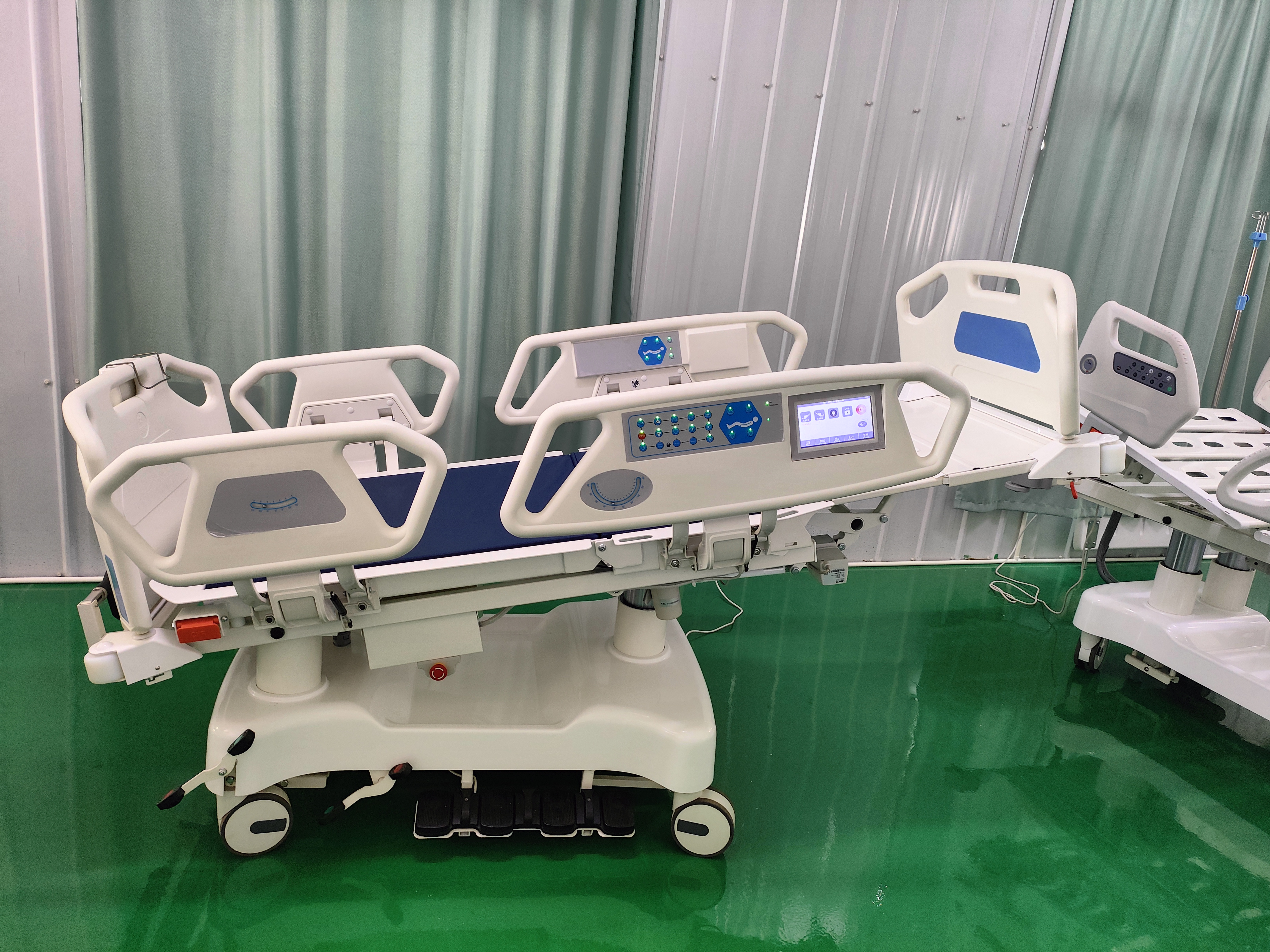
A tender committee normally evaluates more than the purchase price. It may assess:
- Technical compliance
- Patient and operator safety
- Regulatory conformity
- Quality-management capability
- Delivery capacity
- Warranty and service
- Training and installation
- Spare-parts availability
- Total cost of ownership
- Environmental and sustainability requirements
Incomplete or inconsistent documents can lead to:
- Technical disqualification
- Clarification requests
- Tender delays
- Commercial disputes
- Importation problems
- Difficulty obtaining product registration
- Rejected deliveries
- Poor post-installation support
From a manufacturer's perspective, the best tender package is accurate, traceable, consistent, and easy for the buyer to evaluate.
---
A complete hospital bed tender package should normally include the following categories:
| Document category | Typical contents |
|---|---|
| Company documents | Business license, factory profile, authorization letters |
| Quality documents | ISO 13485 certificate, quality procedures, audit evidence |
| Product documents | Technical specifications, catalogue, drawings |
| Compliance documents | Declaration of conformity, applicable test reports |
| Testing documents | Mechanical, electrical, load, brake, and functional test results |
| OEM documents | Label artwork, private-label authorization, customized drawings |
| Commercial documents | Quotation, Incoterms, MOQ, lead time, payment terms |
| Service documents | Warranty, spare-parts list, maintenance plan |
| Project documents | Installation, training, delivery, and commissioning plan |
Not every tender requires every document. The supplier should map the documents against the exact tender requirements.
---
The first section should prove who is submitting the product and who is responsible for manufacturing it.
- Company registration certificate
- Factory profile
- Manufacturer authorization letter
- Product-manufacturer relationship statement
- Factory address
- Manufacturing scope
- Export experience
- Reference-project list, where permitted
- Organization chart
- Contact information for technical and service teams
- Banking and commercial details, when requested
The legal name should be consistent across:
- Tender forms
- Product certificates
- Quotations
- Contracts
- Invoices
- Packing lists
- Shipping documents
If a trading company submits the tender for a factory, the relationship should be clearly explained. The tender committee should know whether the bidder is:
- The manufacturer
- An authorized distributor
- An OEM brand owner
- A trading company
- A local importer
- A project contractor
Red flag: A tender package uses multiple company names without an explanation of which entity is legally responsible for the product and warranty.
A medical device manufacturer should provide evidence that quality is controlled systematically.
Depending on the tender, these may include:
- ISO 13485 certificate
- Quality policy
- Quality-manual summary
- Factory audit report
- Internal-audit summary
- Supplier-control procedure
- Nonconforming-product procedure
- Corrective and preventive action procedure
- Complaint-handling process
- Traceability procedure
- Calibration records
- Training records
- Production and inspection procedures
ISO 13485 specifies quality-management-system requirements for organizations that need to demonstrate their ability to provide medical devices and related services consistently in accordance with customer and regulatory requirements. [ISO]
The certificate should be checked for:
- Correct legal entity
- Correct manufacturing site
- Relevant product scope
- Valid certification period
- Accredited certification body
- Consistency with the tender product
A certificate alone does not prove that every hospital bed meets the tender specification. It supports the manufacturer's quality-system credibility but must be combined with product-specific evidence.
---
The technical specification sheet is usually one of the most important tender documents.
It should describe the exact model being offered—not a general product family.
- Model number
- Product name
- Bed type
- Overall dimensions
- Mattress-platform dimensions
- Bed height range
- Backrest adjustment range
- Knee-rest adjustment range
- Trendelenburg angle
- Reverse Trendelenburg angle
- Safe working load
- Maximum patient weight
- Caster diameter
- Braking system
- Side-rail configuration
- Headboard and footboard material
- Motor quantity
- Control-system type
- Battery specification
- CPR release
- Emergency lowering
- Mattress compatibility
- Accessory configuration
- Product weight
- Electrical input
- Plug type
- Operating conditions
- Cleaning instructions
For a manual hospital bed, specify:
- Crank functions
- Mechanical adjustment ranges
- Gearbox type
- Manual CPR or backrest release
- Mechanical locking method
For an electric or ICU hospital bed, specify:
- Motor functions
- Actuator load
- Controller lockout
- Nurse-control panel
- Battery backup
- Emergency operation
- Electrical protection
- Optional weighing system
- X-ray platform, if applicable
Best practice: Use a point-by-point compliance table showing "tender requirement," "offered specification," and "compliance status."
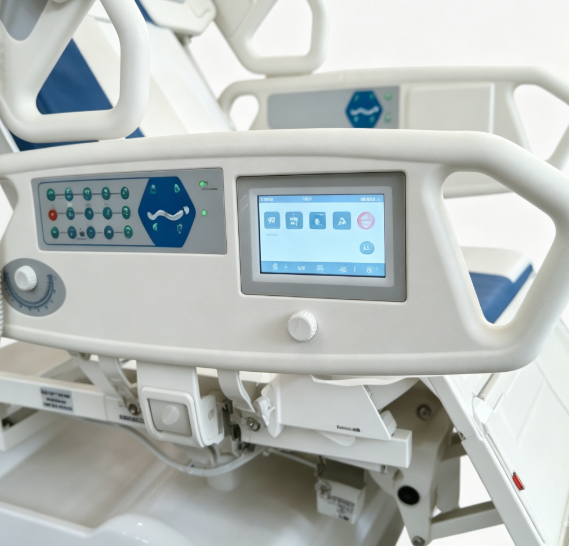
Tender committees, architects, hospital engineers, and project contractors often need drawings before approving the product.
A manufacturer should provide:
- General-arrangement drawing
- Side, front, and top views
- Mattress-platform drawing
- Bed-height drawing
- Folded or transport dimensions
- Caster layout
- Side-rail dimensions
- Electrical connection diagram
- Accessory mounting points
- Installation drawing
- Maintenance-access drawing
- Packaging dimensions
- Container-loading information
Drawings should include:
- Model number
- Revision number
- Date
- Units of measurement
- Dimensions
- Tolerance information, where relevant
- Approval status
- Manufacturer identification
This information helps the buyer verify:
- Room fit
- Corridor clearance
- Elevator compatibility
- Door access
- Storage space
- Electrical outlet location
- Cleaning and service access
For OEM tenders, drawings should show the buyer's approved branding and configuration only after formal approval.
---
Regulatory documents depend on the destination market and device classification. The manufacturer should not provide generic certificates without explaining their applicability.
- Declaration of conformity
- Product registration documents
- Market authorization evidence
- Risk-management summary
- Clinical evaluation or performance information, when applicable
- Electrical safety test reports
- EMC test reports
- Biocompatibility information for relevant materials
- Product-label samples
- User manual
- Service manual
- Cleaning and disinfection instructions
- Packaging and storage conditions
For products supplied to the European market, buyers may need to consider applicable Medical Device Regulation requirements and conformity-assessment pathways. The European Commission provides official guidance on medical devices, economic operators, conformity assessment, and applicable regulatory obligations. [European Commission]
For the United States, product obligations depend on classification, intended use, and applicable FDA requirements. The FDA publishes medical-device compliance and regulatory information for manufacturers and industry participants. [FDA]
Important: A manufacturer should not claim that one certificate provides automatic approval worldwide. Market access is jurisdiction-specific.

Test reports should be product-specific, identifiable, and traceable.
- Static load testing
- Dynamic load testing
- Backrest and knee-rest testing
- Caster and brake testing
- Side-rail strength testing
- Bed-frame stability testing
- CPR-release testing
- Motor endurance testing
- Battery testing
- Electrical safety testing
- Leakage-current testing
- Grounding continuity testing
- Cleaning-resistance testing
- Packaging-drop or vibration testing
The report should normally identify:
- Product model
- Test sample
- Test date
- Test method
- Test equipment
- Calibration status
- Acceptance criteria
- Results
- Laboratory or responsible department
- Authorized signature
For electrical medical equipment, IEC 60601-1 is a widely recognized standard covering basic safety and essential performance of medical electrical equipment. [IEC]
For medical beds, applicable collateral or particular standards may also be relevant depending on the product design and market. The buyer should ask the manufacturer and local regulatory specialist to confirm the applicable standard set.
---
A full bill of materials may be confidential, but tender buyers may still require a controlled component summary.
A manufacturer can provide:
- Main frame material
- Surface-treatment description
- Motor and actuator information
- Caster specifications
- Side-rail material
- Control-panel type
- Battery type
- Mattress material
- Electrical components
- Accessory list
- Critical-component suppliers, where required
The purpose is to verify that the quoted model matches the tested and approved model.
A component-change process should also be explained. The manufacturer should identify how it manages changes to:
- Motors
- Control boards
- Batteries
- Casters
- Side rails
- Fasteners
- Mattress materials
- Surface coatings
- Electrical cables
Uncontrolled substitutions can create safety, regulatory, and warranty risks.
---
A tender should not end with shipment. Hospitals need practical information for safe operation and maintenance.
- Intended use
- Contraindications and limitations
- Operating instructions
- Bed-positioning instructions
- Side-rail operation
- Brake operation
- Emergency procedures
- CPR operation
- Cleaning and disinfection
- Safe working load
- Safety warnings
- Troubleshooting
- Storage conditions
- Disposal information
- Contact details
- Maintenance schedule
- Lubrication requirements
- Electrical inspection
- Battery replacement
- Motor replacement
- Caster replacement
- Side-rail adjustment
- Fault codes
- Wiring diagrams
- Spare-parts numbers
- Troubleshooting procedures
Training may be provided through:
- On-site installation training
- Distributor training
- Video tutorials
- Online technical meetings
- Printed quick-start guides
- Train-the-trainer programs
The World Health Organization emphasizes the importance of appropriate medical-device procurement, management, and maintenance within healthcare systems. [WHO]

A strong tender response should state the service commitment in measurable terms.
- Warranty duration
- Warranty starting point
- Covered components
- Excluded components
- Labor coverage
- Shipping responsibility
- Response time
- Repair or replacement process
- Technical-support channels
- Warranty claim documentation
- Local-distributor responsibilities
Provide:
- Spare-parts catalogue
- Part numbers
- Recommended stock
- Pricing validity
- Availability period
- Lead time
- Replacement instructions
- Critical spare-parts list
For electric hospital beds, critical spare parts may include:
- Actuators
- Control boards
- Hand controllers
- Batteries
- Power supplies
- Cables
- Side-rail components
- Casters
- Gas springs
For tenders with long service commitments, buyers should request a written statement about spare-parts availability for the expected product life.
---
Technical compliance is essential, but tender documents must also support purchasing and delivery.
- Unit price
- Currency
- Incoterm
- Minimum order quantity
- Sample price
- OEM development cost
- Tooling cost
- Packaging cost
- Spare-parts price
- Warranty cost
- Payment terms
- Quotation validity
- Production lead time
- Shipment lead time
- Delivery schedule
- Installation cost
- Training cost
- Taxes and duties, where applicable
Include:
- Carton dimensions
- Net weight
- Gross weight
- Packaging materials
- Units per carton
- Pallet information
- Container-loading quantity
- Loading photographs or diagrams
- Moisture protection
- Shock protection
- Shipping marks
- Storage conditions
For large hospital bed projects, packaging affects freight cost and delivery efficiency. The buyer should compare not only the unit price but also the total landed cost per installed bed.

International brands often need documents that reflect their own product identity.
An OEM hospital bed manufacturer should support:
- Brand authorization
- Private-label catalogue
- Customized technical sheet
- Logo and label artwork
- Customized packaging
- Localized manuals
- Product drawings
- Customized color specification
- Accessory configuration
- Country-specific plug options
- Inspection and acceptance standards
- Confidentiality agreements
Before production, approve:
1. Product model
2. Technical specification
3. Drawings
4. Color
5. Logo position
6. Label content
7. Packaging artwork
8. User manual
9. Inspection standard
10. Shipment sample
This approval sequence reduces the risk of a tender product being delivered with incorrect branding or an unapproved configuration.

A well-organized file is easier for the tender committee to review.
1. 01_Company Documents
2. 02_Quality Certificates
3. 03_Product Specifications
4. 04_Drawings and Dimensions
5. 05_Test Reports
6. 06_Compliance Documents
7. 07_User and Service Manuals
8. 08_Warranty and Spare Parts
9. 09_Commercial Quotation
10. 10_Packaging and Logistics
11. 11_OEM and Branding Documents
Every revised document should include:
- Revision number
- Date
- Change description
- Prepared-by information
- Approval status
Before sending the tender package, check:
- Does every required item have a response?
- Are all model numbers identical?
- Are dimensions consistent across documents?
- Do the test reports match the quoted model?
- Are certificates valid?
- Are signatures and stamps included where required?
- Are translation requirements satisfied?
- Are prices consistent between tables and forms?
- Are delivery terms clearly stated?
- Are exclusions listed?
- Are OEM details approved?
---
A generic catalogue may not prove compliance with the exact tender specification.
Different names across the quotation, certificate, and test report create uncertainty.
The buyer may assume that an accessory is included if it appears in the product photograph.
Always check certificate validity before submission.
Avoid phrases such as "100% safe," "maintenance-free," or "approved worldwide." Claims should be specific and supported.
The tender may require local-language manuals, labels, or warnings.
Warranty, training, spare parts, and service response should be defined before the commercial offer is finalized.
---
When evaluating Tianjin Kangli Medical Instrument as an OEM hospital bed supplier, international buyers can request a structured package covering:
- Company qualification
- Quality-system documentation
- Hospital bed specifications
- Product drawings
- Test and inspection documents
- OEM branding support
- Packaging and loading information
- Warranty terms
- Spare-parts support
- Installation and training
- Tender-specific document customization
Our objective is to help overseas brands and distributors submit a quotation that is technically complete, commercially transparent, and easy for the customer to approve.
---
To improve user experience and SEO engagement, consider adding:
- Infographic: Hospital bed tender document checklist
- Flowchart: From tender specification to final shipment
- Table image: Required documents by tender stage
- Factory photo: Quality inspection and hospital-bed assembly
- Video: Hospital bed functional testing before shipment
- Downloadable PDF: Hospital bed tender submission checklist
- Diagram: Hospital bed dimensions and accessory locations
All visual assets should include descriptive alt text, such as:
> "Hospital bed manufacturer tender document checklist for international buyers."
---
The manufacturer should normally provide company qualifications, quality certificates, technical specifications, drawings, test reports, conformity documents, manuals, warranty terms, spare-parts information, commercial quotations, and delivery details.
No. ISO 13485 supports the manufacturer's quality-system credibility, but a tender may also require product-specific test reports, conformity documents, registration evidence, technical specifications, and local-market documentation.
Yes. The model number, test sample, test method, date, results, and responsible laboratory or department should be clearly identified.
Yes. A qualified OEM manufacturer can usually customize labels, manuals, packaging, drawings, product colors, and brand information, subject to technical and regulatory approval.
It should state the warranty period, start date, covered parts, exclusions, complaint process, response time, repair or replacement method, shipping responsibilities, and technical-support channels.
Tender documents should be prepared as soon as the product scope and technical requirements are known. Regulatory documents, translations, customized labels, and drawings may require additional review time.
Drawings help hospitals verify room fit, corridor clearance, elevator compatibility, electrical access, accessory positions, storage requirements, and maintenance access.
Yes. Standard accessories, optional accessories, one-time OEM costs, packaging fees, testing fees, and logistics charges should be listed separately to avoid misunderstandings.
---
1. [ISO — ISO 13485 Medical Devices Quality Management Systems]
2. [International Electrotechnical Commission — IEC 60601-1 Medical Electrical Equipment]
3. [European Commission — Medical Devices Sector]
4. [U.S. Food and Drug Administration — Medical Devices]
5. [World Health Organization — Medical Devices and Health Technology]
Are you preparing a hospital bed tender, distributor quotation, private-label project, or hospital equipment contract? Contact Tianjin Kangli Medical Instrument to discuss your required bed model, target market, OEM specifications, documentation list, packaging configuration, and delivery plan.
We can help international brands, wholesalers, distributors, and manufacturers develop a complete, consistent, and project-ready hospital bed submission package.
Request technical specifications, tender documents, OEM options, and a quotation today.


